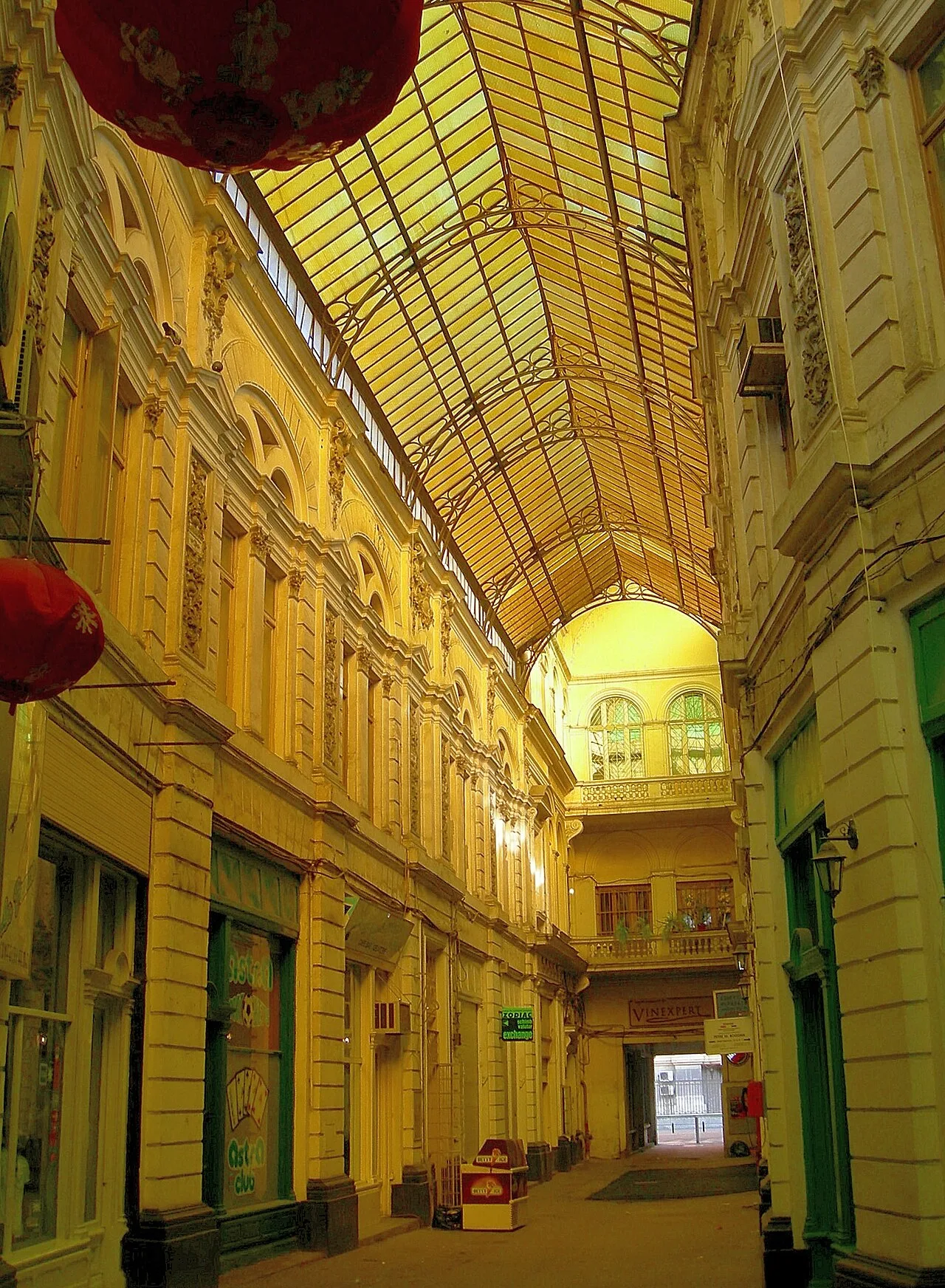
Stay central to save money
A central base reduces transport costs and wasted time. Walk more, ride less, and the budget improves automatically.
Best areas to stay →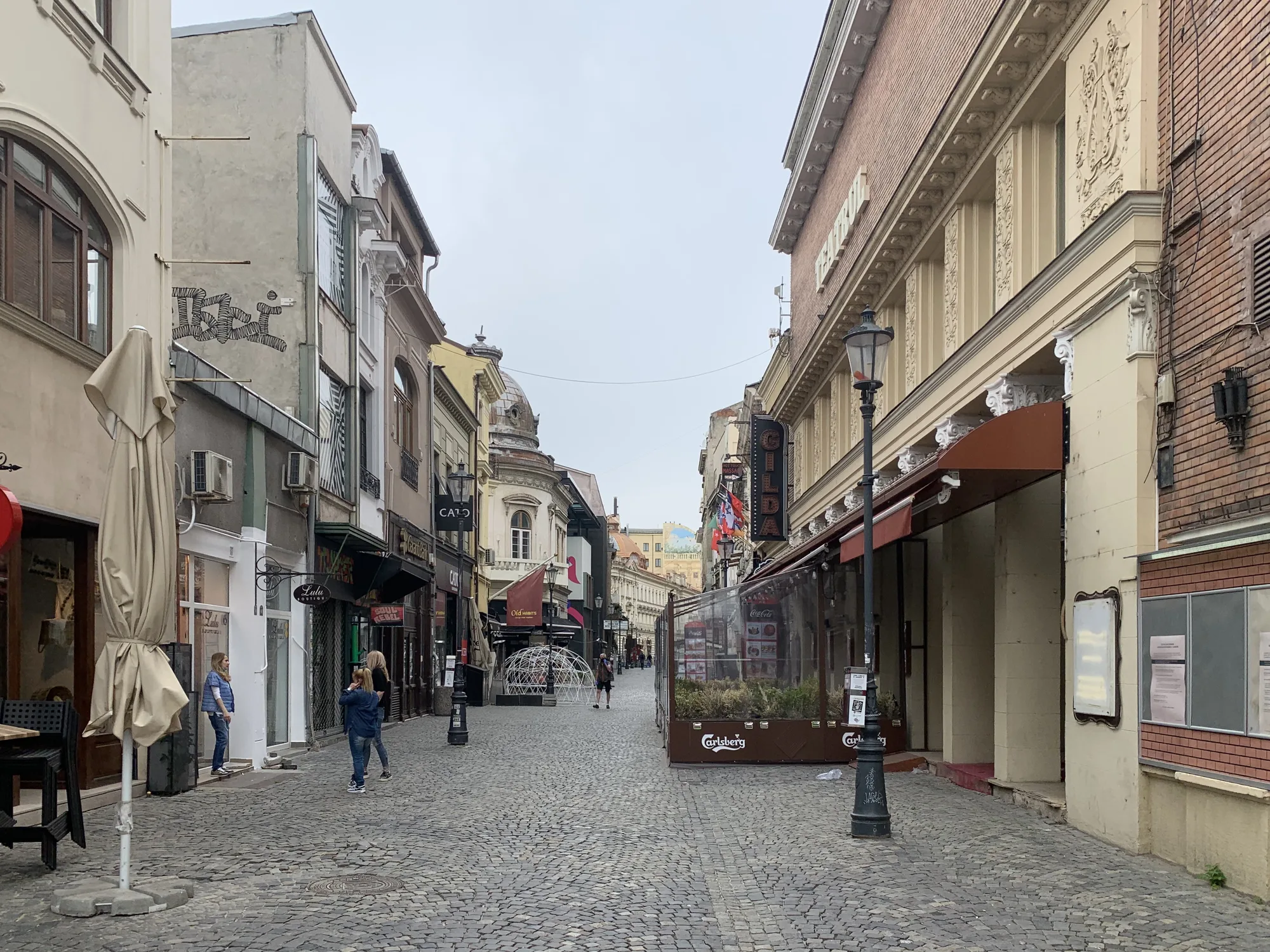
Cheap Travel Guide
How to save money without sacrificing atmosphere: stay central, walk more, eat smarter, and use one paid anchor per day (max).
Reviewed May 2026 · Love Bucharest editorial team
Photo: Neoclassicism Enthusiast · CC BY-SA 4.0 · Wikimedia Commons
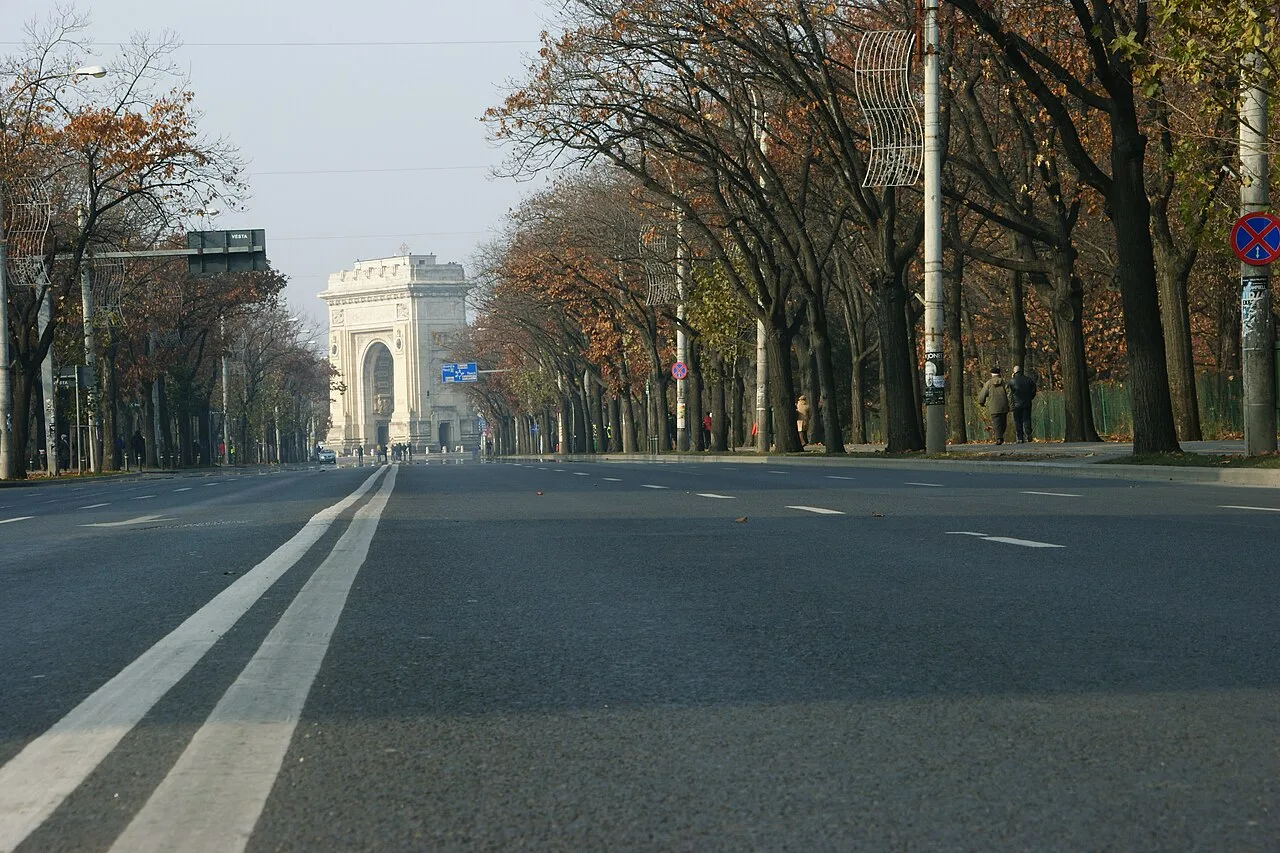
Bucharest is one of the EU's better-value capitals, and the biggest savings come from a few decisions: staying central, walking more, eating the daily set lunch, and building free highlights into every day. Below you will find real numbers — transport fares, snack and meal costs, a sample day budget — alongside the strategy that stays useful even as prices change. Everything is priced in lei (RON), the local currency.
A central base reduces transport costs and wasted time. Walk more, ride less, and the budget improves automatically.
Best areas to stay →Lunch is often better value and calmer than late dinners in busy areas. Use dinner for something simpler or one “occasion” night.
Best restaurants →If the plan is mostly walking, pay-per-ride is fine. If you are hopping museums and parks, a pass can be cheaper and easier.
Transport tickets →The best budget itinerary mixes free walking highlights with 1 paid anchor (museum, tour, spa) when desired.
Free things to do →The center is made for walking. Use Calea Victoriei, Old Town passages, and park loops as the backbone of the trip.
Walking routes →A park loop is free and makes the city feel calmer. Do one per day and the trip feels balanced.
Parks guide →A long café sit can be the best value hour in the city: warmth, atmosphere, and a reset without overspending.
Best cafés →Old Town is great—just avoid the most tourist-optimized meal spots on the busiest strips and prices improve.
Old Town restaurants →Independent train day trips can be more budget-friendly than tours. Choose one destination and keep it simple.
Train day trips →When a paid anchor matters (Parliament tour, popular experiences), booking ahead avoids last-minute “expensive fallback” choices.
Parliament tickets →Real, current ranges for the costs that matter most on a budget trip. Treat them as planning figures — prices drift, so the official transport pages are linked below.
Bucharest is genuinely cheap to get around. A single surface trip (bus, tram, trolleybus) on the rechargeable STB card is around 3 lei, a 24-hour all-surface pass around 8 lei, and a single metro journey around 7 lei (raised from ~5 lei in May 2026 — check Metrorex). The express bus 100 from the airport is about 3 lei. Surface and metro are separate ticketing systems.
The covrig — Romania's warm, twisted, soft pretzel — is the ultimate budget breakfast or snack at roughly 1 leu plain, or about 1.5–3 lei for sesame, poppy-seed or filled versions. Sold from kiosks across the centre (the Covrigăria Luca chain has several branches), best eaten warm on the move.
Many restaurants offer a weekday set lunch — the meniul zilei — that bundles a soup or starter with a main (sometimes a drink) for roughly 35–45 lei. It is the single best way to eat a proper sit-down meal cheaply; make lunch the main event and keep dinner simple.
Markets like Piața Obor sell cheap fresh produce, bread, cheese and grilled mici, and supermarkets are inexpensive. A picnic from a market plus a free park loop is one of the best-value afternoons in the city.
Bucharest tap water is generally considered safe to drink, so a refillable bottle saves money over bottled water. Beer is cheap by Western standards (around 10–15 lei in a bar, less from a shop), and a coffee at a neighbourhood café costs far less than the tourist-strip terraces.
The parks (Cișmigiu, Herăstrău, Carol, Văcărești), the Old Town passages, the churches, Revolution Square and the Cărturești Carusel bookshop are all free. Build one paid anchor (a museum, the Parliament tour) into a day of free highlights and the budget stays low without the trip feeling cheap.
A 24-hour STB surface pass (~8 lei) plus a couple of metro rides, or simply walk the centre for next to nothing.
A warm covrig (~1–3 lei) for breakfast and a market or daily-menu lunch keep food costs low.
The weekday meniul zilei is the best-value proper meal — soup plus a main, sometimes a drink.
Parks, passages, churches and a bookshop browse cost nothing — the core of a cheap Bucharest day.
A museum (~15–32 lei) or the standard Palace of the Parliament tour (~60 lei) when you want one ticketed highlight.
Yes — it is one of the better-value capitals in the EU. Public transport is a few lei per ride, a daily set lunch (meniul zilei) runs roughly 35–45 lei, beer is around 10–15 lei in a bar, and the city's best experiences — parks, passages, churches — are free. Pay in lei (RON), not euro.
On a careful day you can keep food and transport to roughly 50–80 lei: a covrig (~1–3 lei) for breakfast, a daily-menu or market lunch (~35–45 lei), free parks and passages all afternoon, and a 24-hour STB transport pass (~8 lei) or simply walking. Adding one paid museum (~15–32 lei) still keeps the day modest.
Walking — the centre is compact and most highlights are close together. When you ride, a single surface trip (bus/tram/trolleybus) is about 3 lei, a single metro journey about 7 lei (up from ~5 lei in May 2026), and a 24-hour all-surface STB pass about 8 lei, all on a rechargeable card. Surface and metro are separate systems.
Make lunch the main meal and order the weekday meniul zilei (~35–45 lei). Snack on covrigi from kiosks, shop at markets like Obor, and step one street off the busiest Old Town terraces, where prices and quality both improve. Tap water is generally safe, so a refillable bottle saves money too.
The covrig is Romania's warm, soft, twisted street pretzel — bigger and chewier than a German one. Plain ones are around 1 leu and sesame, poppy-seed or filled versions roughly 1.5–3 lei, sold from kiosks all over the centre. It is the classic cheap, on-the-go Bucharest snack.
Use lei (RON) — it is the local currency, not the euro. Cards are widely accepted, but carry small cash for kiosks, markets and tips, and decline dynamic currency conversion at the terminal so you are charged in lei rather than a marked-up euro rate.
The best-value trip is the one that feels effortless: central base, walking routes, parks, and one paid highlight when it truly matters.