Authentic Experiences
Local Favorites in Bucharest
Discover where Bucharest locals actually eat, drink, and spend their time - away from tourist crowds
Reviewed March 2026 · Love Bucharest editorial team
Photo: Toa Heftiba / Unsplash
Experience Bucharest Like a Local
The best Bucharest experiences happen where locals gather - not where tour groups stop. This guide reveals authentic spots, insider tips, and the rhythms of real Bucharest life beyond the tourist trail.
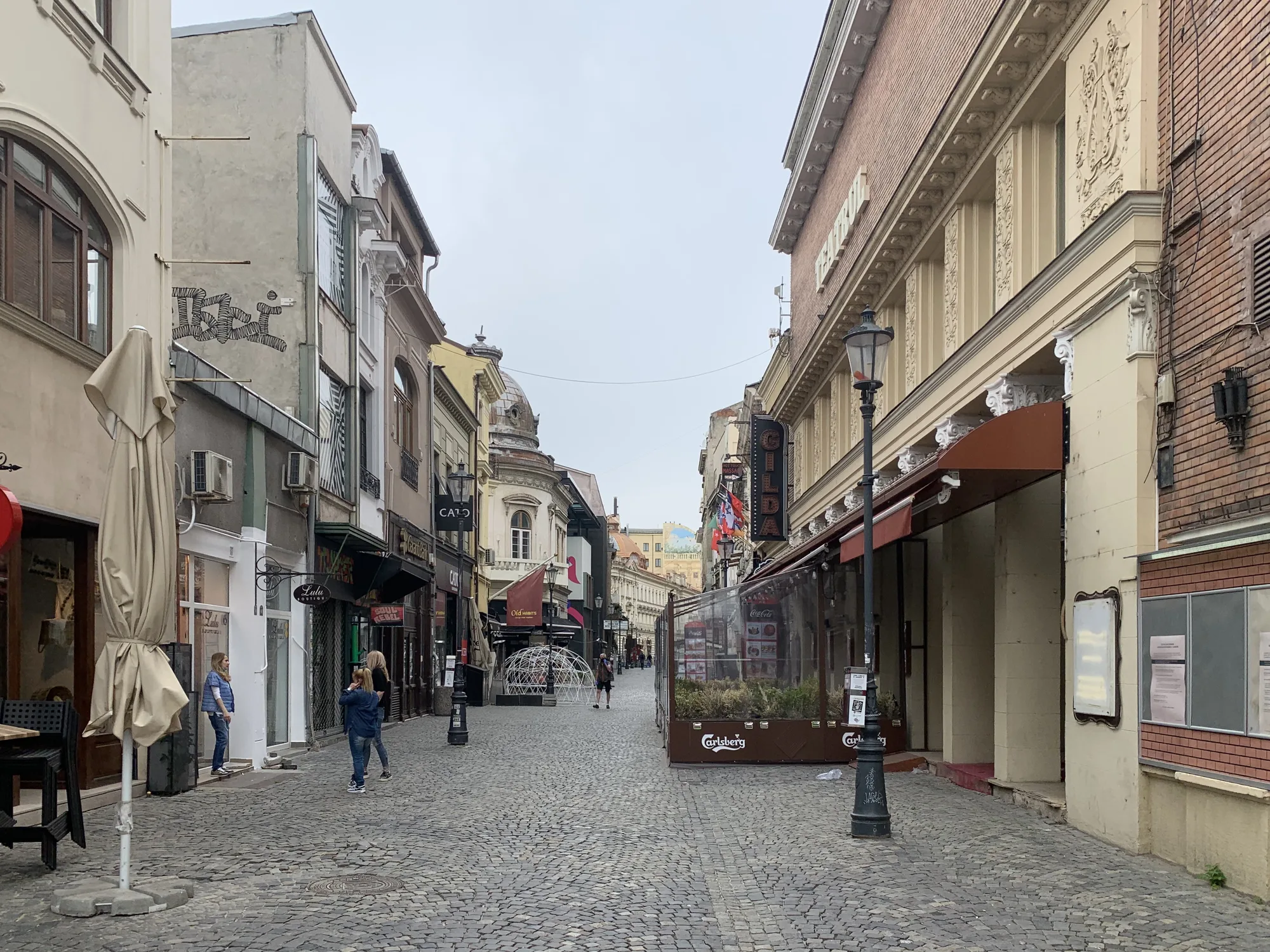
The Old Town is wonderful for its history and architecture, but it is also where the city packs its tourist machinery — picture-menu terraces, promoter-touted bars and souvenir stalls. Real Bucharest life happens just outside that ring: in the family restaurants of Dorobanți, the café streets around Piața Romană and University, the chaotic food market at Obor, and along the lakeside at King Mihai I Park on a warm evening. Step a street or two off the busiest lanes and almost everything gets better and cheaper.
This guide is organised around the local rhythm of a day and a week — morning coffee, a long lunch, an afternoon escape, evening drinks, weekend markets — with specific spots and the reasoning behind each. Use it alongside the practical notes below on tipping, timing, cash and transport so you can slip into the city's pace rather than just passing through it.
Morning Coffee
→ Energiea
A beloved, unpretentious local café-bar with homemade desserts, generous portions and fair prices. No third-wave fuss — just good coffee and a welcoming, slightly bohemian atmosphere where locals linger over a laptop or the papers.
Weekend Brunch
→ M60
A light-filled, design-led spot near Piața Amzei where locals queue for the famous avocado toast and carrot cake. Minimalist space, plenty of natural light, and a relaxed pace that suits a lazy weekend morning.
Traditional Lunch
→ Family-run restaurants in Dorobanți
Locals skip the touristy Old Town terraces for authentic sarmale and mici in small, family-run places. The food is better and the price is roughly half what you would pay on the busiest central lanes.
Afternoon Escape
→ Dimitrie Brândză Botanical Garden greenhouses
When the central parks fill up, locals retreat to the historic greenhouses near Cotroceni — a humid, tropical hideaway of palms and orchids that very few visitors ever find.
Evening Drinks
→ Grădina Eden or the Romana/University bars
The leafy summer garden of Grădina Eden near Calea Victoriei, and the bars around Piața Romană and University, are where locals actually drink — better cocktails, lower prices, and real conversation away from the Old Town traps (beer ~10–15 lei, cocktails ~25–40 lei).
Weekend Markets
→ Obor or Dorobanți markets
Locals hunt for vintage finds, antiques and fresh produce at the weekend markets. Obor is massive and gloriously chaotic; the Dorobanți area feels more curated. Bring cash and an appetite.
Summer Evenings
→ King Mihai I Park (Herăstrău) lakeside at sunset
Families and couples gather along the lake for evening walks, boat rides and lakeside dining. This is peak local life on a warm evening, with far fewer tourists than the centre.
Winter Weekends
→ Ice skating at Cișmigiu Gardens
Locals have skated on the frozen lake of the city's oldest park (laid out in 1847) for generations. Rent skates, buy a hot mulled wine from a kiosk, and join a genuinely old Bucharest tradition.
Secret Gardens
→ Dianei 4 garden café
A leafy courtyard café in a faded historic building near the centre, beloved by artistic and student Bucharest. A calm, green spot to read or talk for hours over coffee or a glass of wine.
Fresh Produce
→ Obor Market
The huge, historic food market where locals shop for fresh produce, cheese and meat — and famously, for grilled mici eaten on the spot. Chaotic, authentic, and largely unchanged for decades.
Evening Culture
→ Romanian Athenaeum concerts
Locals dress up for classical concerts at the 1888 Athenaeum, home of the George Enescu Philharmonic. The gilded hall is famous for its acoustics, and tickets are remarkably affordable for the quality.
Late Night Eating
→ Shawarma stands near University
After the bars close, locals head to the late-night shawarma stands around University Square. Cheap, filling and open into the small hours — the unofficial Romanian late-night food.
Avoid Tourist Traps
❌ Avoid: Restaurants with picture menus in Old Town
✓ Instead: Ask locals for recommendations or walk to the Dorobanți and University areas
Laminated photo menus and hosts waving you in are the clearest tourist-trap signal in the Old Town. The food is usually mediocre and overpriced; a five-minute walk to a family-run place in Dorobanți gets you better sarmale at a fairer price.
❌ Avoid: Overpriced Old Town terraces
✓ Instead: Calea Victoriei or Piața Romana area cafés — better quality, lower prices
The most prominent central terraces carry a markup for the location. Cafés a street back, along Calea Victoriei or around Romana, serve better coffee for less and feel more like the city locals live in.
❌ Avoid: Tourist craft markets
✓ Instead: Weekend markets in Obor or Dorobanți for real finds
Generic "traditional craft" stalls aimed at visitors rarely sell anything locals would buy. The weekend markets — chaotic Obor, more curated Dorobanți — are where real vintage, antiques and produce change hands.
❌ Avoid: Packed King Mihai I Park main paths
✓ Instead: The Japanese Garden or quieter lakeside corners locals frequent
The main promenade gets crowded on sunny weekends. Slip toward the Japanese Garden or the further reaches of the lake and you find the calmer, leafier spots where locals actually settle in.
❌ Avoid: Generic souvenir shops
✓ Instead: Cărturești bookstores for quality Romanian design and books
Mass-produced magnets and "Dracula" tat are everywhere central. For something worth carrying home, the Cărturești bookshops stock well-made Romanian design, stationery and books.
Local Neighborhoods to Explore
Dorobanți
Where affluent locals live and dine — leafy streets, upscale bistros and the city's strongest non-Old-Town restaurant scene. Authentic, polished Romanian life.
University & Romana
Students, affordable food and real café culture around Piața Universității and Piața Romană. Lively and genuine, without the Old Town markup.
Cotroceni
Quiet residential streets of interwar Neo-Romanian and art-deco villas, academics and the botanical garden. Beautiful to walk and almost untouched by tourists.
Floreasca
Modern, well-off residential district of young professionals, new restaurants and lakeside cafés — contemporary Bucharest at its most relaxed.
Insider Tips
Frequently asked questions
Where do locals actually eat in Bucharest?
Not the Old Town terraces. Locals head to family-run restaurants in Dorobanți for traditional sarmale and mici, the food market at Obor for grilled-on-the-spot snacks, and the bistros around Piața Romană and Floreasca. The rule of thumb: step a street or two off the busiest tourist lanes and the food gets better and cheaper.
How can I experience Bucharest like a local?
Follow the local rhythm: a slow morning coffee, lunch between 1 and 3pm, a park in the late afternoon, dinner from around 7–9pm. Use the metro, shop at Obor Market, drink in the Romana/University bars instead of the Old Town, and join the lakeside crowds at King Mihai I Park on a summer evening.
What are the biggest tourist traps to avoid?
Restaurants with laminated picture menus on the busiest Old Town lanes, overpriced central terraces, aggressive promoter-touted bars, and generic souvenir shops. Swap them for family restaurants in Dorobanți, cafés on Calea Victoriei or around Romana, weekend markets at Obor, and the Cărturești bookshops for quality Romanian design.
When does local life peak in Bucharest?
Sunday mornings around the lake at King Mihai I Park, Saturday mornings at Obor Market, and warm summer evenings on terraces and in the summer gardens. In winter, locals gather to skate at Cișmigiu and over long café afternoons.
Do locals tip, and is cash needed?
Yes — around 10% in restaurants for good service, ideally in cash, and locals round up for taxis and cafés. Cards are widely accepted, but many small local spots and market stalls are cash-only, so carry some lei. Always pay in lei rather than accepting a euro conversion.
Which neighborhoods should I explore beyond the centre?
Dorobanți for dining, the University/Romana area for affordable café culture, Cotroceni for beautiful villa streets and the botanical garden, and Floreasca for modern, lakeside Bucharest. None are far from the centre, and all feel a world away from the tourist trail.