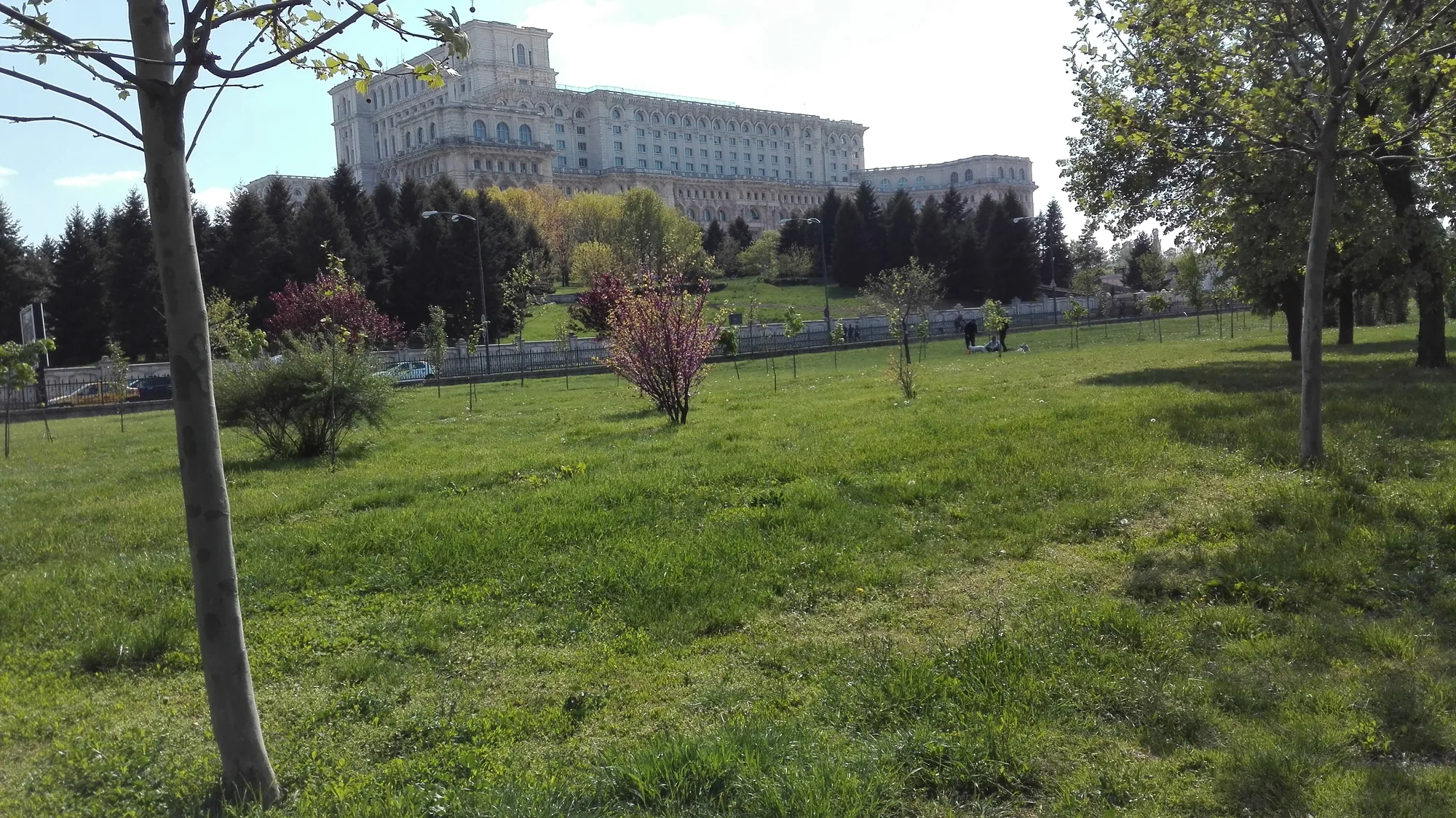
A lively Old Town street in Bucharest at golden-hour sunset, with people strolling among lit café and bar terraces

After Dark

Bucharest Nightlife Guide

Discover Bucharest's vibrant after-hours scene from Old Town energy to upscale Northern clubs

Reviewed May 2026 · Love Bucharest editorial team

Photo: Ștefan Jurcă · CC BY 2.0 · Wikimedia Commons

An intimate, warmly lit cocktail bar interior
An intimate, warmly lit Bucharest bar.Photo: Ambitious Studio* | Rick Barrett / Unsplash

Bucharest After Dark

Bucharest surprises visitors with how good — and how cheap — a night out can be. The city has several distinct nightlife worlds: the dense, walkable Old Town for bar-hopping, a quieter design-led cocktail-and-wine scene around Calea Victoriei and Piața Romană, an upscale club belt up north in Floreasca and Dorobanți, a strong alternative live-music culture led by Control Club, and a summer-garden tradition that takes over the warm months. This guide maps where each of those lives, what it costs, when things actually get going, and how to get home safely afterwards.

How a night out in Bucharest works

The single most useful thing to know is that Bucharest runs late. Bars fill from around 10pm, dinner often starts at 8 or 9, and clubs don't hit their stride until well after midnight — so a venue that feels half-empty in the early evening is frequently packed by 11. Plan your night backwards from that rhythm: a rooftop or cocktail bar to open, dinner or a wine bar in the middle, and the louder rooms last.

Geography does most of the work in choosing where to go. The Old Town (Centrul Vechi, around Lipscani) is the dense, pedestrianised core where you can walk between dozens of bars and clubs without a car — easy and fun, if touristy. A short step away, the streets around Calea Victoriei, Piața Romană and the University hold the more design-led cocktail and wine bars where locals go for a properly made drink. North, in Floreasca and Dorobanți, sit the dressier, more exclusive clubs. And running through all of it is an independent live-music and techno scene anchored by Control Club, plus a seasonal world of open-air summer gardens.

Costs are gentle. Beer runs roughly 10–15 lei, cocktails around 25–40 lei, and weekend club entry about 30–70 lei (often free midweek) — friendly ranges rather than fixed prices, and a fraction of Western-European bills. Pay in lei rather than accepting a marked-up euro conversion at the card terminal, keep a little cash for smaller bars, and check the price before ordering anywhere with a pushy host. Getting home is easy too: the metro runs until about 11pm, after which a Bolt or Uber is cheap and quick.

Old Town (Centrul Vechi / Lipscani)

Energetic, dense, touristy but genuinely fun

The dense, pedestrianised tangle of cobbled lanes between Piața Universității, Piața Unirii and Calea Victoriei is the obvious first stop and the easiest place to bar-hop on foot. Streets such as Lipscani, Smârdan and Gabroveni are wall-to-wall with bars, pubs and clubs, and on a Friday or Saturday they are genuinely heaving. It is touristy and a little chaotic, and the loudest promoter-fronted spots are best skipped, but the sheer density means you can wander between a cocktail bar, a cellar pub and a club without ever calling a car. Treat it as the lively, social heart of a night out rather than the place to find the most discerning drinks.

Best For

First-timers, Bar crawls on foot, Variety in one square, Groups

Price Level

Budget to mid-range

Top Venues

Shoteria • Nomad Skybar • Interbelic • Old-Town cellar pubs • Fire Club

Peak time: Bars from ~10pm; clubs after midnight, Thursday–Saturday busiest

Calea Victoriei, Piața Romană & University

Design-led, local, conversation-friendly

A step away from the Old Town crush, the spine of Calea Victoriei and the streets around Piața Romană and the University are where the more design-led, locally minded scene lives. This is the home of the city's better cocktail bars, characterful wine bars and conversation-friendly spots tucked into belle-époque buildings and courtyards. It is where you go when you want a properly made drink and to be able to hear the person next to you, and it pairs naturally with dinner on the boulevard before you move on. Quieter early, it builds through the evening rather than exploding at midnight.

Best For

Craft cocktails, Wine bars, Avoiding tourist crowds, Date nights

Price Level

Mid-range

Top Venues

Linea/Closer to the Moon • cocktail bars off the boulevard • wine bars near Romană

Peak time: 8–9pm onwards

Floreasca & Dorobanți (Northern Bucharest)

Upscale, dressy, exclusive

The northern strip around Floreasca, Dorobanți and Herăstrău is the city's upscale nightlife belt: polished lounges, restaurant-clubs and a dressier, see-and-be-seen crowd. Expect dress codes, table service, and the most exclusive door policies in the city — for the headline rooms a reservation, sometimes well ahead, is the difference between getting in and not. It is more expensive than the centre but still gentle by Western-European standards, and it works best as a planned, later-in-the-night destination reached by a quick ride-hailing hop rather than something you stumble into.

Best For

Special occasions, Late, dressed-up nights, Dinner-then-club crowd

Price Level

Upscale

Top Venues

Beraria H • restaurant-clubs around Floreasca • Herăstrău lakeside venues

Peak time: 11pm onwards

The alternative & live-music scene

Independent, music-first, late

Bucharest has a strong, slightly underground live-music and alternative culture that sits apart from both the Old Town and the glossy north. Its anchor is Control Club — a long-running central, subterranean venue that for close to two decades has hosted everything from indie, punk and goth to techno, house and dark disco, with live bands and DJ sets running late. Around it orbit other independent halls and spaces, often in repurposed industrial buildings, that draw a music-first, less polished crowd. This is the side of Bucharest nights to seek out if you care more about the line-up than the lighting.

Best For

Live bands, Techno & alternative DJs, A non-touristy night

Price Level

Budget to mid-range

Top Venues

Control Club • Expirat • independent live-music halls

Peak time: Doors from ~9–10pm; on till the early hours

🌙

Venues by Type

Rooftop bars

Nomad Skybar, Linea/Closer to the Moon and other central terraces

City views and sunset cocktails, at their best from late spring through early autumn. A relaxed way to open a night before heading down into the bars; arrive before dusk for a table at golden hour.

Clubs

Control Club and the northern restaurant-clubs around Floreasca

House, techno and party nights that don't really start until after midnight and run to the early hours. Weekend door charges are roughly 30–70 lei; the dressier northern rooms expect smart attire and often a reservation.

Cocktail bars

Design-led spots off Calea Victoriei and around Piața Romană

Where the city's best bartending lives. Expect craft cocktails in the ~25–40 lei range and a calmer, more grown-up room than the busiest Old Town lanes — good for the start of the evening or a conversation.

Summer gardens (grădini)

Grădina Eden, Expirat's courtyard and other open-air gardens

A defining feature of warm-month nights: leafy open-air gardens with several bars, DJs and a sprawling, easy-going crowd. Seasonal — they come alive roughly May to September; confirm opening before you go.

Wine bars

Cellars and wine rooms across the centre and around Dorobanți

Romania has a serious wine country, and its capital has the bars to match — intimate rooms, brick-vaulted cellars and lists strong on local grapes like Fetească Neagră. The quietest, most romantic corner of the night.

Live music

Control Club, Expirat and independent halls

Bucharest's gig scene runs from local bands to touring international acts, often in atmospheric repurposed spaces. Check each venue's programme — line-ups, doors and ticket prices are published per event.

Summer garden culture

If you visit between roughly May and September, the open-air garden — the "grădină" — is the heart of going out. These are leafy, tree-shaded courtyards and gardens tucked into the city, often with several bars, a DJ and a sprawling, unhurried crowd that drifts in for an after-work beer and stays into the night. Grădina Eden, a large green garden near the Victoriei area with multiple outdoor bars, is the classic example; Expirat, set in a former industrial hall, opens a spacious courtyard for the warm months alongside its gig programme.

The appeal is the atmosphere as much as the drinks: cool air under the trees, long tables and sofas, and a relaxed pace that suits an evening of slow conversation rather than a hard night of clubbing. Prices sit in the same gentle range as the rest of the city. Because the gardens are seasonal and a few shift location or hours year to year, it's worth a quick check that the one you have in mind is open before you head over — and on a warm Saturday, a table booking spares you a wait.

What to drink

Bucharest rewards drinking local. Beyond the international cocktails, these are the distinctively Romanian things to order on a night out.

Romanian wine

Romania is one of Europe's older and larger wine producers, and the capital's wine bars show it off. Look for the native red Fetească Neagră and whites like Fetească Regală or Grasă de Cotnari — characterful, often excellent value, and a far better choice than defaulting to an import. A glass of local wine is the most distinctively Bucharest drink you can order at night.

Țuică & pălincă

The traditional plum (or other fruit) brandy — țuică is the lighter, often single-distilled version; pălincă is stronger, twice-distilled and can be fierce. Served as an aperitif or a shot, frequently homemade in spirit if not in fact, it's the classic Romanian toast. Treat it with respect: a little goes a long way.

Local craft beer

Alongside the big commercial lagers, Bucharest has a growing craft-beer scene, and many bars now pour independent Romanian brews. Beer is the cheapest way to spend a night — roughly 10–15 lei a glass — and a pint in a leafy summer garden is one of the city's simple pleasures.

Craft cocktails

The design-led bars off Calea Victoriei and around Piața Romană are where the city's best bartending lives, with cocktails usually in the ~25–40 lei range. Several rooms riff on Romanian ingredients — herbs, fruit brandies, local botanicals — for drinks you won't find anywhere else.

Nightlife by the seasons

Bucharest's nights change shape across the year, and timing your visit to the right scene makes a real difference. From late spring through early autumn the city moves outdoors: rooftop bars, terraces and the summer gardens (grădini) take over, and warm evenings stretch long and easy under the trees. This is the most atmospheric time to go out, and Calea Victoriei is pedestrianised on summer weekends, which turns the whole boulevard into an open-air promenade for a pre-drinks stroll.

In the colder months the action retreats indoors — to the cellar bars, cocktail rooms, clubs and the live-music halls that run year-round regardless of the weather. Winter has its own charm, especially around the festive season when the Christmas market and the lights add a glow to the centre, but the open-air gardens close for the season, so plan around indoor venues. Whatever the month, the late-night rhythm holds: the city simply moves the party under a roof.

Planning the night: a sample evening

Open on a rooftop or terrace

Start before dusk with a drink and a view — a rooftop bar in the centre or, in summer, a leafy garden. It's the relaxed, scenic part of the night and sets you up before the city gets busy after 10pm.

Dinner or a wine bar in the middle

Slot dinner around 8–9pm, or settle into a cellar wine bar around Calea Victoriei or Dorobanți for local bottles. This bridges the early evening and the late scene without burning out.

Bars in the Old Town

Drift into the Old Town from around 10–11pm to bar-hop on foot, or seek out a Control Club gig if the line-up appeals. Step a block off the busiest lanes for better drinks and fewer touts.

Clubbing, then home by app

For a proper club, head north to Floreasca/Dorobanți after midnight (book ahead, dress up). When you're done, the metro will have stopped — order a Bolt or Uber rather than flagging a street taxi.

Essential Nightlife Tips

Timing — Romanians go out late

Bars fill from around 10pm and clubs don't peak until after midnight, especially at weekends. A place that feels quiet at 8pm is often packed by 11. The Old Town buzzes hardest Thursday to Saturday; weeknights are calmer and cheaper.

Dress code

The Old Town and the alternative venues are relaxed — casual is fine. The northern Floreasca/Dorobanți rooms are dressier: smart attire, and no shorts, flip-flops or sportswear at the upscale doors. When in doubt for the north, dress up.

Costs (a planning range)

Nightlife is cheap by Western-European standards. As a guide: beer around 10–15 lei, cocktails around 25–40 lei, and weekend club entry around 30–70 lei (often free or lower midweek). Treat these as friendly ranges, pay in lei, and check prices before ordering.

Getting home

The metro runs roughly 05:00–23:00, so after-midnight nights mean a ride-hailing app (Bolt and Uber both operate and are inexpensive) or night buses. Order a car in the app rather than taking a street tout, and you'll rarely wait long in the centre.

Safety

Central Bucharest, including the Old Town at night, is broadly safe for visitors. Use ordinary city sense: keep an eye on drinks and valuables, watch for pickpockets in packed bars, and stick to well-lit streets and app-ordered cars on the way home.

Reservations

Most Old Town bars are walk-in. The exclusive northern clubs and any table-service rooms need booking, sometimes well ahead for weekends. For a popular cocktail bar or summer garden on a Saturday, a table booking saves a wait.

Frequently asked questions

Where is the main nightlife area in Bucharest?

The Old Town (Centrul Vechi / Lipscani) is the densest, most walkable nightlife zone and the easiest place to bar-hop on foot. For a more local, design-led scene head to the streets around Calea Victoriei, Piața Romană and Dorobanți; for upscale clubs, the northern Floreasca and Herăstrău belt.

What time does nightlife start in Bucharest?

Late. Bars fill from around 10pm and clubs don't really get going until after midnight, peaking in the early hours at weekends. If you arrive at 8pm you'll often have the place to yourself — which can be perfect for a quiet drink before the crowd.

How much do drinks and club entry cost?

Cheap by Western-European standards. As a planning range, expect beer around 10–15 lei, cocktails around 25–40 lei, and weekend club entry around 30–70 lei (often free or cheaper midweek). Pay in lei, decline marked-up euro conversion, and check prices before ordering.

How do I get home after the metro stops?

The metro runs roughly until 23:00, so for an after-midnight night use a ride-hailing app — Bolt and Uber both operate in Bucharest and are inexpensive — or a night bus. Order the car in the app rather than accepting a ride from a street tout.

Is Bucharest nightlife safe?

Generally yes. The central and Old Town areas are broadly safe at night for visitors. Apply normal city sense: watch your drink and valuables, be wary of pickpockets in packed venues, avoid aggressive promoter-fronted bars, and travel home in app-ordered cars.

What should I avoid?

Skip the clip-joint traps on the busiest Old Town lanes — the spots with pushy touts and "ladies drink free" promises, where unwitting visitors can end up with a wildly inflated bill. Don't hand your card over without seeing the price, and be wary of "hostesses" who attach themselves to your table. Avoid unlicensed street taxis on the way home (use the app). And don't expect the most polished cocktails on the loudest, most touristy streets; step one block off for better drinks and a more local crowd.

Where can I hear live music or alternative DJs?

Control Club is the long-running anchor of the alternative and live-music scene — a central, subterranean venue covering indie, punk, techno and house, with bands and DJ sets running late. Expirat and other independent halls, often in old industrial buildings, round out the gig and electronic scene.

When is summer garden season?

Bucharest's open-air "grădini" — leafy gardens like Grădina Eden, with multiple bars and DJs — are a defining part of warm-month nightlife, running roughly May to September. They're the most atmospheric way to drink in the city when the weather is warm. Because they're seasonal and a few change hours or location year to year, check that a particular garden is open before you make the trip, and book a table for a warm Saturday.

Old Town or Northern Bucharest for a night out?

Choose the Old Town for a casual, walkable, variety-packed night and the easiest atmosphere for first-timers. Choose the northern Floreasca/Dorobanți belt for a dressed-up, later, more exclusive evening — but book ahead and plan a short ride-hailing hop to reach it.

Explore More of Bucharest

Discover what to do during the day before hitting the nightlife
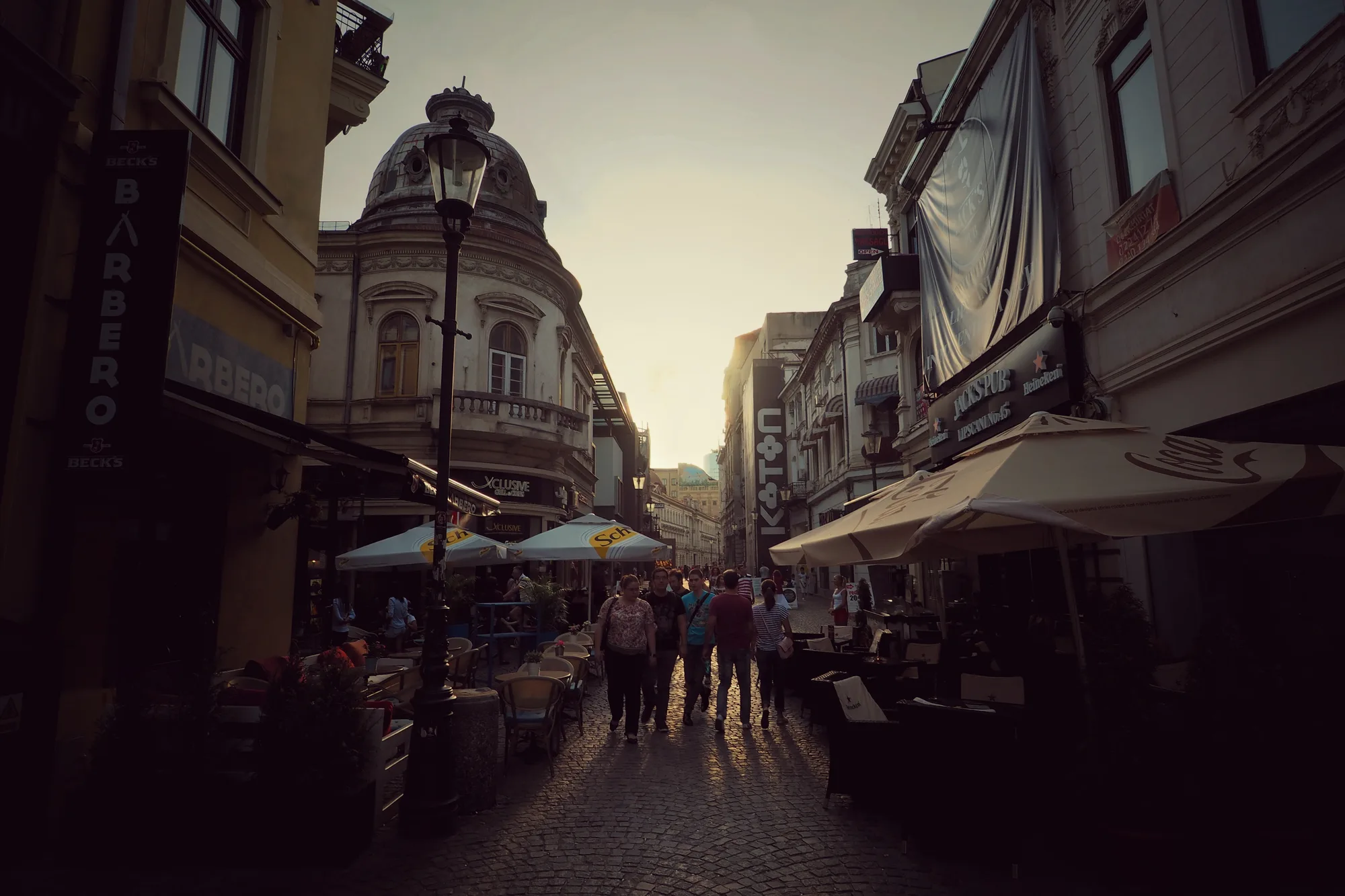
The colossal white classicist Palace of the Parliament (Casa Poporului) seen across a green park in Bucharest
The Palace of the Parliament — the colossal landmark that anchors central Bucharest.Photo: Nicolae Sfetcu · CC BY-SA 4.0 · Wikimedia Commons