The city's best moments are often free: a golden-hour walk down Calea Victoriei, the warm glow inside the Macca-Vilacrosse passage, the hush of the Stavropoleos courtyard, a park loop that resets the day. Add free churches, a spectacular bookshop to browse, Revolution Square's open-air history and the summer fountains show, and you can fill days here without spending much at all. Use this guide to build a budget-friendly itinerary that still feels romantic, stylish and full of discovery.
Best time: Golden hour and early evening
Architecture, museums-from-the-outside, and the best central walking energy—completely free.
Tip
Make it a themed walk: cafés + photos + one cultural stop nearby (even if you do not go inside).
Best time: Morning (fewer crowds)
The most photogenic details in the center: covered passages, carved doors, and hidden-feeling lanes.
Tip
Add one calm pause at Stavropoleos—free and unforgettable.
Best time: Morning or late afternoon
A peaceful, beautiful stop in the middle of a busy neighborhood.
Tip
Use it as a “pause point” during any Old Town loop.
Best time: Late morning or golden hour
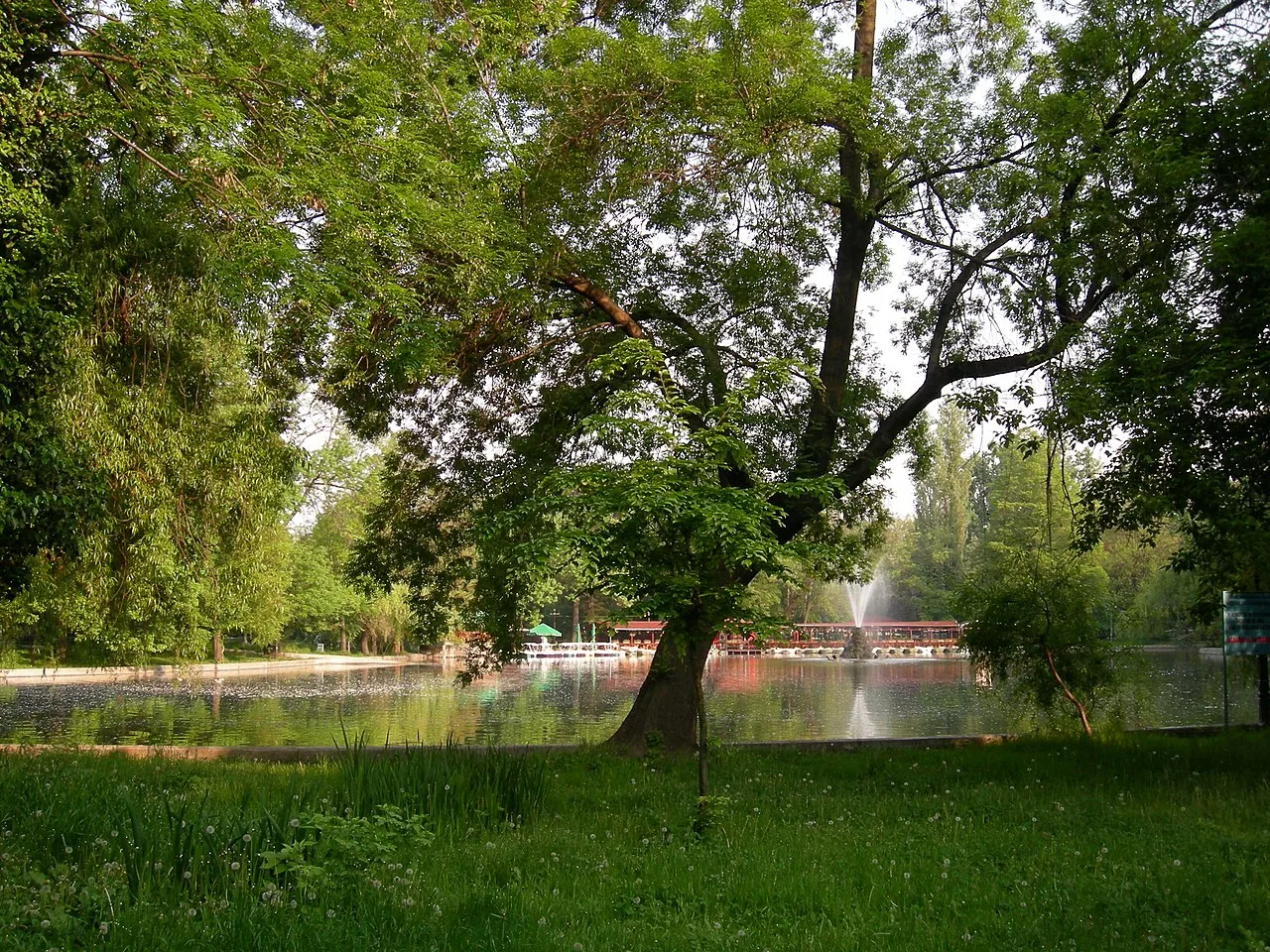
Bucharest has excellent green spaces. A park loop can feel like a “new city” without spending anything.
Tip
Do one park loop per day to keep the trip balanced.
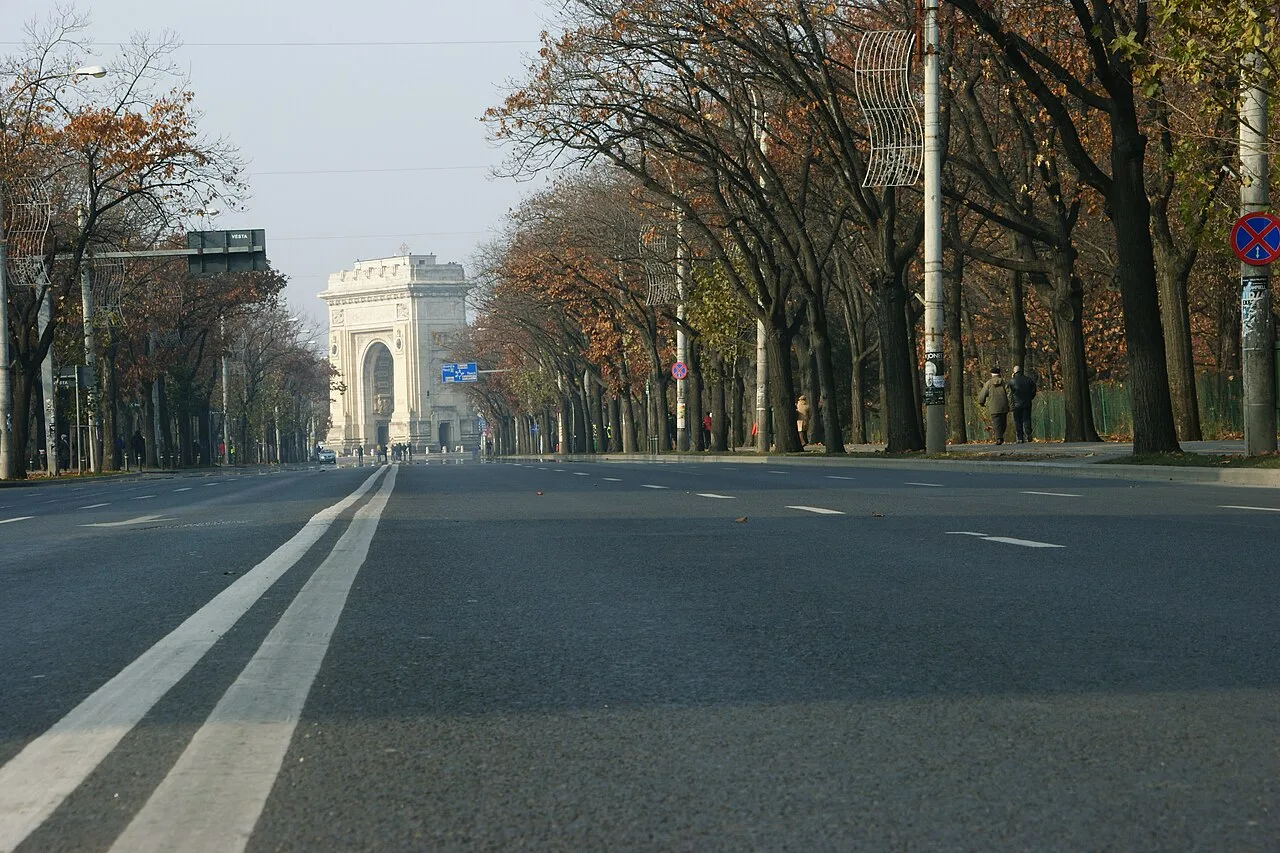
Wide boulevards and big-city scale. In season, the fountains turn it into a free evening show.
Tip
Treat it as a short loop, not a long walk—then end with dessert nearby.
Beyond the tourist core, the city feels more relaxed and more real—cafés, small parks, and architecture details.
Tip
Choose one neighborhood theme: cafés, architecture, or parks, then keep it slow.
These are the specific, genuinely free spots that anchor a budget day in Bucharest — parks, passages, churches, squares and one extraordinary bookshop. None of them charge admission to look around.
✦Bucharest's oldest public park, laid out by German landscape gardener Carl Meyer and inaugurated in 1847. Free to wander: a boating lake, the Romanian Writers' Rotunda, shaded alleys and a rose garden, all in the very centre. Walking it costs nothing; only the summer boat rental carries a small fee.
✦The city's largest park, wrapped around a lake in the north. The roughly six-kilometre lakeside loop, the lawns and the Japanese Garden are all free; you only pay if you rent a boat or visit the Village Museum.
✦A formal French-style park on Filaret Hill, inaugurated in 1906, with terraced avenues, the 1906 "Giants' Fountain" and a hilltop monument reached by a grand stair — and a free city view from the top. Quieter than the central gardens.
✦A fork-shaped, yellow-glass-roofed covered arcade off Calea Victoriei, opened in 1891. Just walking through it — the warm golden light is the whole point — costs nothing; the cafés that line it are optional.
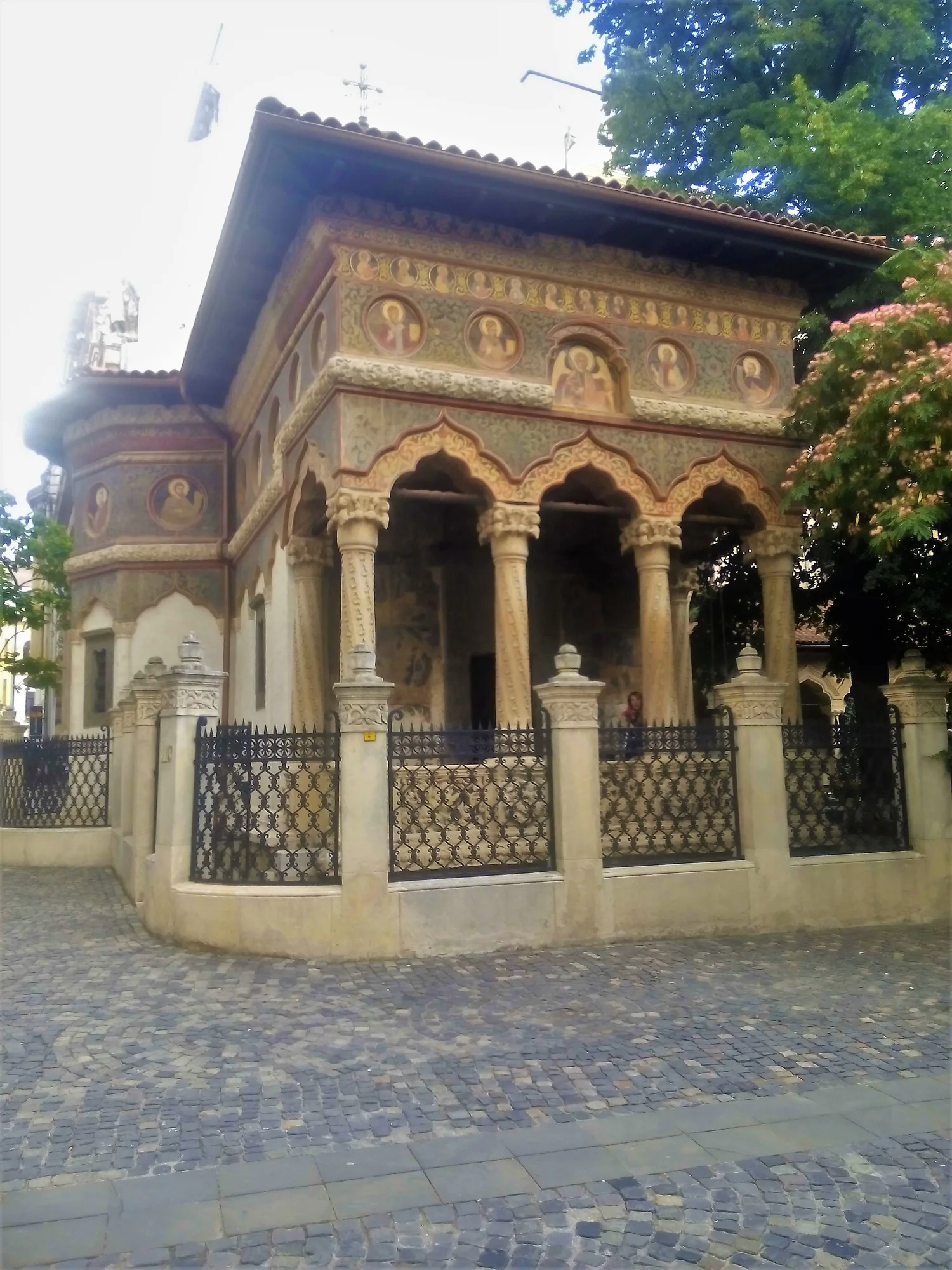
✦A small 1724 Brâncovenesc-style church in the Old Town with an exquisite carved façade and a peaceful colonnaded courtyard garden. Entry is free; dress modestly and keep voices low, as it is a working monastery.
✦The square where Ceaușescu gave his final speech in December 1989. You can stand for free among the former Royal Palace (now the National Museum of Art), the Athenaeum and the 1989 Revolution Memorial — a free open-air history lesson.
✦A spectacular bookshop on Strada Lipscani 55, inside a restored early-20th-century bank, reopened in 2015. Six white-galleried floors spiral around a light-filled atrium — wonderful (and free) to browse and photograph, even if you buy nothing.
✦The "Bucharest Delta" — a roughly 183-hectare wetland a few kilometres south of the centre, Romania's first urban nature park (protected since 2014). Free to enter, with informal trails and well over a hundred bird species; best at dawn or dusk.
✦In the warm season, the long fountain axis between Piața Unirii and Piața Constituției runs a free evening light-and-music show. Schedules change year to year, so it is worth checking the current programme before heading over.
Budget-friendly travel works best with a central base, great walking routes, and a simple transport plan when needed.