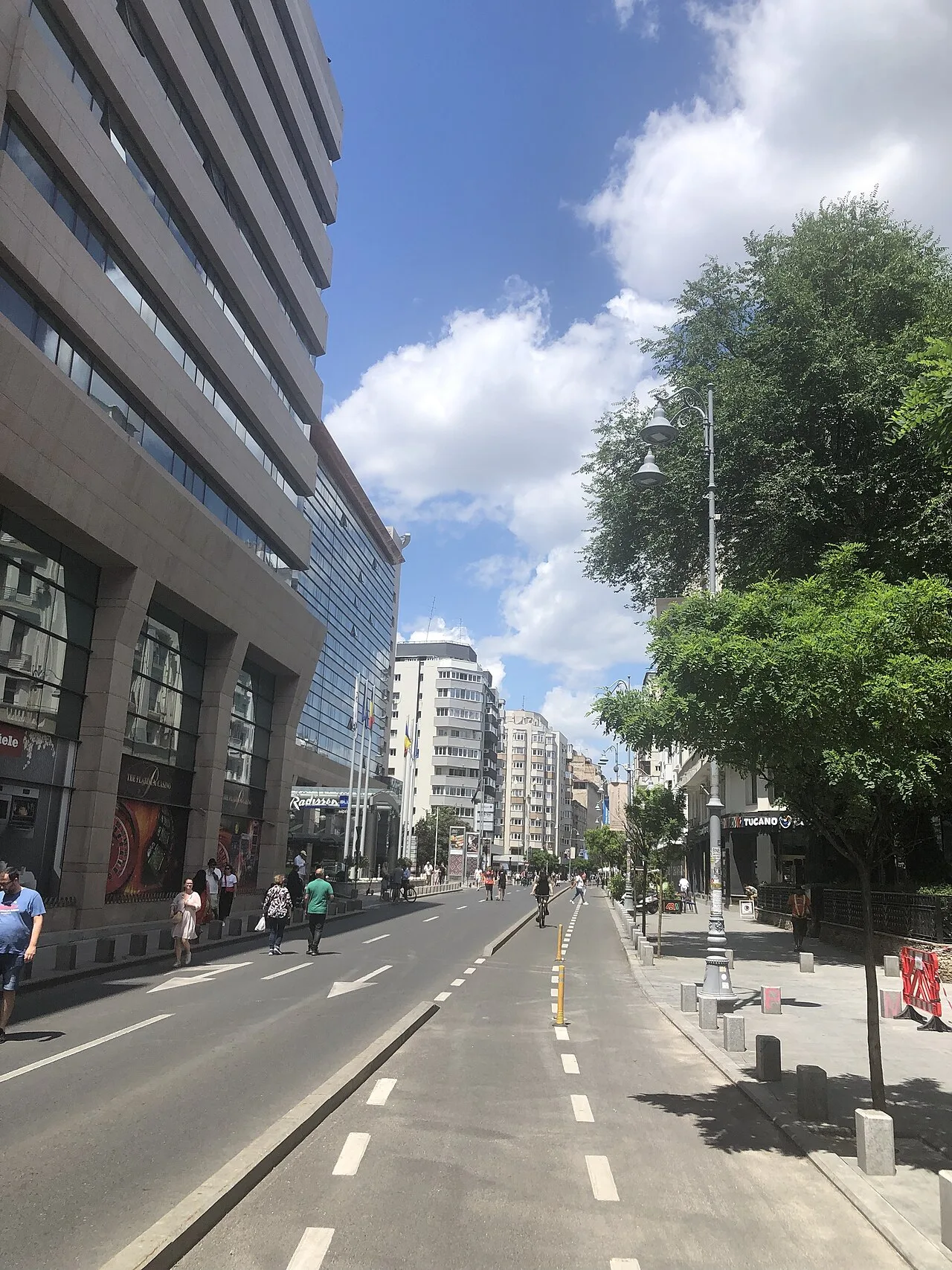
Pedestrians stroll along Calea Victoriei in Bucharest on a sunny day, the broad avenue lined with trees and grand facades

For First Timers

Best Area to Stay in Bucharest

Pick the right base once, and the whole city becomes easy: walkable days, calm nights, and stress-free transport.

Reviewed April 2026 · Love Bucharest editorial team

Photo: Turgidson · CC BY-SA 4.0 · Wikimedia Commons

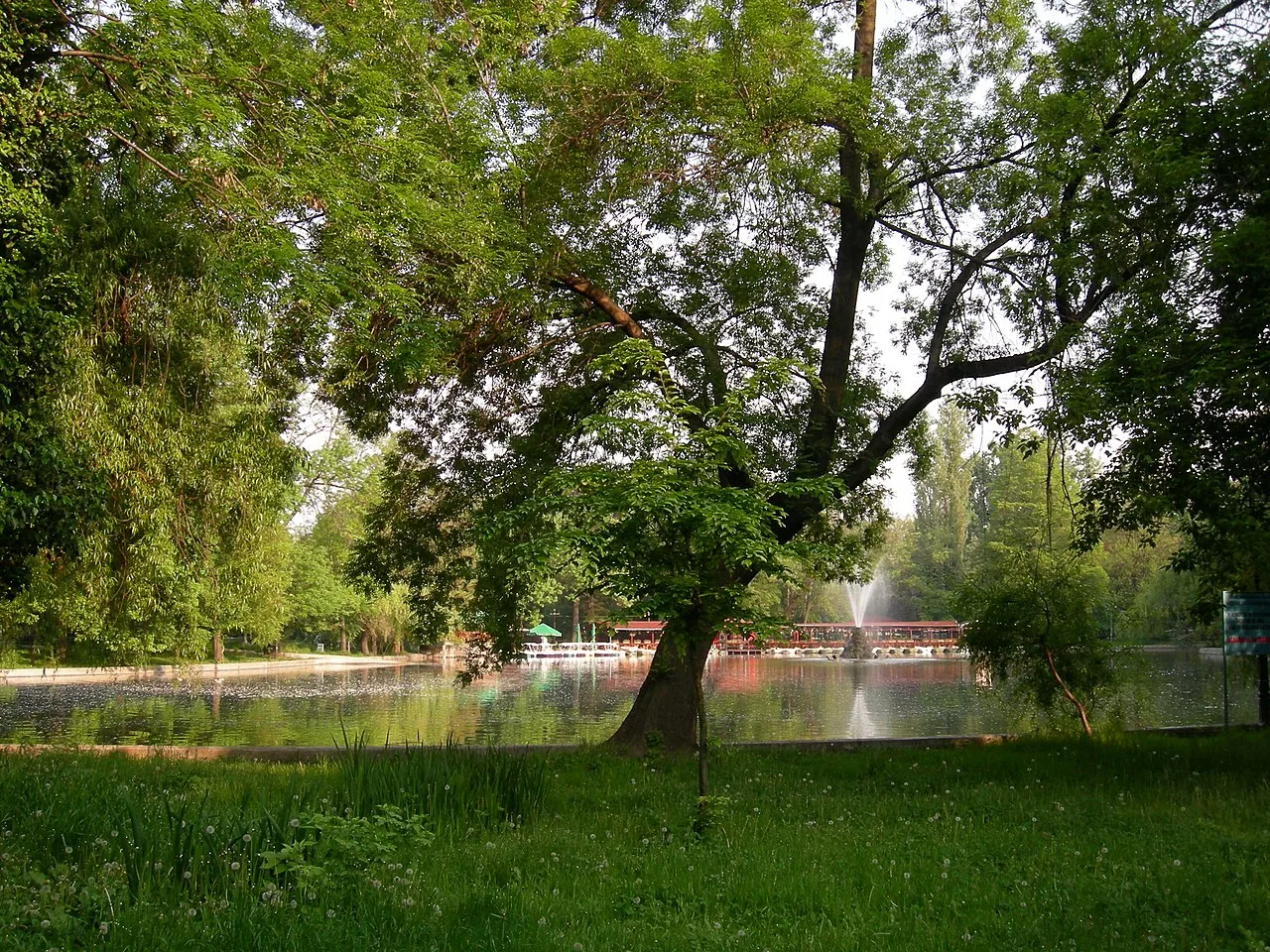
The lake of Cișmigiu Gardens in central Bucharest, with a fountain and lakeside pavilion framed by tall trees
Cișmigiu Gardens, the city's oldest public park, in the centre.Photo: Joe Mabel · CC BY-SA 3.0 · Wikimedia Commons

The short answer: stay central, then choose your vibe

For a first trip, Bucharest works best when your base is close enough for relaxed walking but not so deep in the nightlife core that every night becomes a festival. The reliable, tourist-friendly choices all sit in a compact central band — the edge of the Old Town, Calea Victoriei, and the Universitate–Unirii hub — each with good metro access for everything beyond the historic centre. This guide stays at the area level so you can pick the right neighbourhood with confidence, then choose a specific hotel or apartment within it on recent reviews.

How to choose your base

Central Bucharest is more compact than its size suggests: the Old Town, Calea Victoriei and the Universitate–Unirii axis form a walkable triangle where most of the headline sights, restaurants and bars sit within 15–20 minutes of one another on foot. For a first trip that walkability is the whole game, so the first decision is simply to base yourself somewhere inside that triangle rather than chasing a cheaper room further out and commuting in.

The second decision is the trade-off between buzz and quiet. The Old Town core is the most atmospheric and the most convenient for nightlife, but it is genuinely loud late at weekends; Calea Victoriei is elegant and calmer while staying a short stroll from everything; and the Universitate–Unirii hub is the most practical for transport, sitting on the metro interchange with easy airport and day-trip links. None of these is a wrong answer — they simply tune the same central location toward "lively", "elegant" or "convenient".

The third decision is the building itself. Bucharest pairs beautiful façades with interiors that vary a lot — tiny lifts, steep stairs, uneven heating — so once you have the area, choose the property on recent reviews and clear photos, and check the practical details (elevator, heating/AC, late check-in codes) before booking. Get the area right and the building right, and the rest of the trip becomes easy: short walks by day, a calm night's sleep, and the metro or a cheap ride-hailing car for anything across town.

Best first-timer bases (quick picks)

Old Town (edge) + University Square

Lively, central, photogenic

Best for: Max walkability without the loudest streets

Why: Staying on the edge of Lipscani or around Piața Universității puts you within a few minutes' walk of the Old Town's landmarks (Stavropoleos Monastery, Cărturești Carusel, the cafés and bars) and onto Calea Victoriei, with the M2 metro at Universitate for everything else.

Watch for

Avoid rooms directly above bars or on the busiest nightlife streets — the core of Lipscani is loud well past midnight at weekends.

Calea Victoriei + Revolution Square

Belle époque, café-hopping, upscale

Best for: Elegant first trip with museums and architecture

Why: Bucharest's historic showcase boulevard runs past the Athenaeum, the National Museum of Art (the former Royal Palace) and Revolution Square. It is beautiful for walking, central, and noticeably calmer at night than the Old Town, while still being a short stroll from it.

Watch for

Prices on the boulevard run higher; choose a side street for quieter sleep without losing the location.

Universitate / Unirii (central hub)

Practical, central, well-connected

Best for: Transport, space, and good value

Why: The Universitate–Unirii axis sits on top of the metro network (M1, M2 and M3 interchange at Piața Unirii), with wide boulevards, easy airport and day-trip connections, and a practical, well-connected feel a short walk from the Old Town.

Watch for

Some communist-era blocks feel less charming than the historic core; prioritise buildings with good recent reviews and a working elevator.

Choose your neighborhood in 60 seconds

Want nightlife at your doorstep

Pick: Old Town (Lipscani) — but choose the edges

Stay 5–10 minutes from the busiest bar streets for better sleep without losing the vibe.

Want classic city strolls and architecture

Pick: Calea Victoriei

Perfect for first-time visitors who want Bucharest to feel elegant and walkable; the Athenaeum and main museums are on the doorstep.

Want the most convenient "hub" feeling

Pick: Universitate / Unirii

Great metro interchange and easy access to tours, shopping, the airport bus and wide boulevards.

Want quiet, local, and leafy streets

Pick: Cotroceni (plus quick metro access)

A charming, residential villa district near the botanical garden that feels like a neighbourhood rather than a tourist zone.

First-timer checklist (what matters most)

Walkability vs. sleep

The central core — Old Town, Calea Victoriei, Universitate — is genuinely walkable, with the main sights within 15–20 minutes of each other. The trade-off is noise: nightlife streets stay loud late, so choose "central first, then refine for quiet" rather than picking the single most central address.

Metro access

A metro stop within ~10 minutes keeps the whole city easy — the M2 north–south line links Unirii, Universitate, Piața Romană and Piața Victoriei (and reaches the airport area), so a base near it opens up museums, parks and dinner across town. The metro runs roughly 05:00–23:00.

Building quality

Bucharest mixes beautiful belle-époque buildings with ageing interiors. Some have tiny lifts, steep stairs or patchy heating, so prioritise recent reviews, clear photos, and a mention of a working elevator if you have luggage or stairs are an issue.

Airport and day trips

If early departures or train day trips matter, being near the Universitate–Unirii hub or Piața Victoriei reduces friction — express bus 100 and the metro both serve the airport, and Gara de Nord (for trains to Sinaia, Brașov and the coast) is a short metro ride away.

Winter vs. summer

Summer stays reward shaded boulevards and nearby parks (Cișmigiu, Herăstrău); winter stays reward short walks and reliable transit close to indoor culture and the Christmas market. Match the area to the season you are travelling in.

Common booking mistakes to avoid

  • Booking inside the Old Town core without checking reviews for "noise" mentions — weekend nights in Lipscani run loud until the early hours.
  • Choosing a "cheap" place far from a metro stop, then losing the savings (and time) to ride-hailing across a big city.
  • Over-prioritising one landmark or a view; a well-connected central base beats a perfect outlook with poor transport.
  • Ignoring building details — heating and AC, elevator size, stairs, and access codes for late or self-check-in.
  • Staying too far north (e.g. deep in Floreasca or Pipera) on a first trip; it is residential and means a commute to the historic sights.

Frequently asked questions

What is the best area to stay in Bucharest for first-timers?

Stay central and then choose your vibe. The safest all-round pick is the edge of the Old Town around Piața Universității — maximum walkability to the historic core, on the metro, but a step back from the loudest bar streets. For a calmer, more elegant base, Calea Victoriei; for transport and value, the Universitate–Unirii hub.

Is the Old Town a good place to stay?

Yes, with a caveat. The Old Town (Lipscani) is the most central and atmospheric area and perfect for walking, but the core is noisy late at weekends. Book on the edges rather than directly above a bar, prefer higher floors or courtyard-facing rooms, and you get the convenience without the 2am soundtrack.

Where should I stay to avoid noise?

Calea Victoriei side streets, the quieter blocks around Piața Romană, or a residential district like Cotroceni all sleep better than the Old Town core, while staying central or a short metro ride from the sights. Higher floors and courtyard-facing rooms help anywhere.

Do I need to be near a metro station?

It helps a lot. A stop within about 10 minutes — ideally on the M2 north–south line — makes the whole city easy and cheap to reach. The metro runs roughly 05:00–23:00; after that, ride-hailing (Bolt, Uber) is inexpensive and the easiest late-night option.

How much does accommodation cost, and what currency?

Bucharest is good value by Western-European standards across hostels, apartments and hotels, with the boulevard and top hotels at the higher end. Prices are quoted and charged in lei (RON), not euro — cards are widely accepted, and you should decline dynamic currency conversion so you pay in lei.

Is it better to stay in a hotel or an apartment?

Both work well centrally. Apartments suit longer stays and travellers who want space and a kitchen; hotels suit those who want daily service and a guaranteed standard. Whichever you choose, weight the area and metro access first, then the building's recent reviews — that matters more than the property type.

Which areas should first-timers avoid as a base?

Not so much "unsafe" areas — central Bucharest is broadly safe — as inconvenient ones. Avoid basing yourself far out in residential districts (deep Floreasca, Pipera, far suburbs) on a short first trip, since you will spend time commuting to the historic centre. Stay central and connected instead.

Keep planning

Pair a great base with a great plan: a first-timer itinerary, a neighborhood guide, and the best ways to get around.
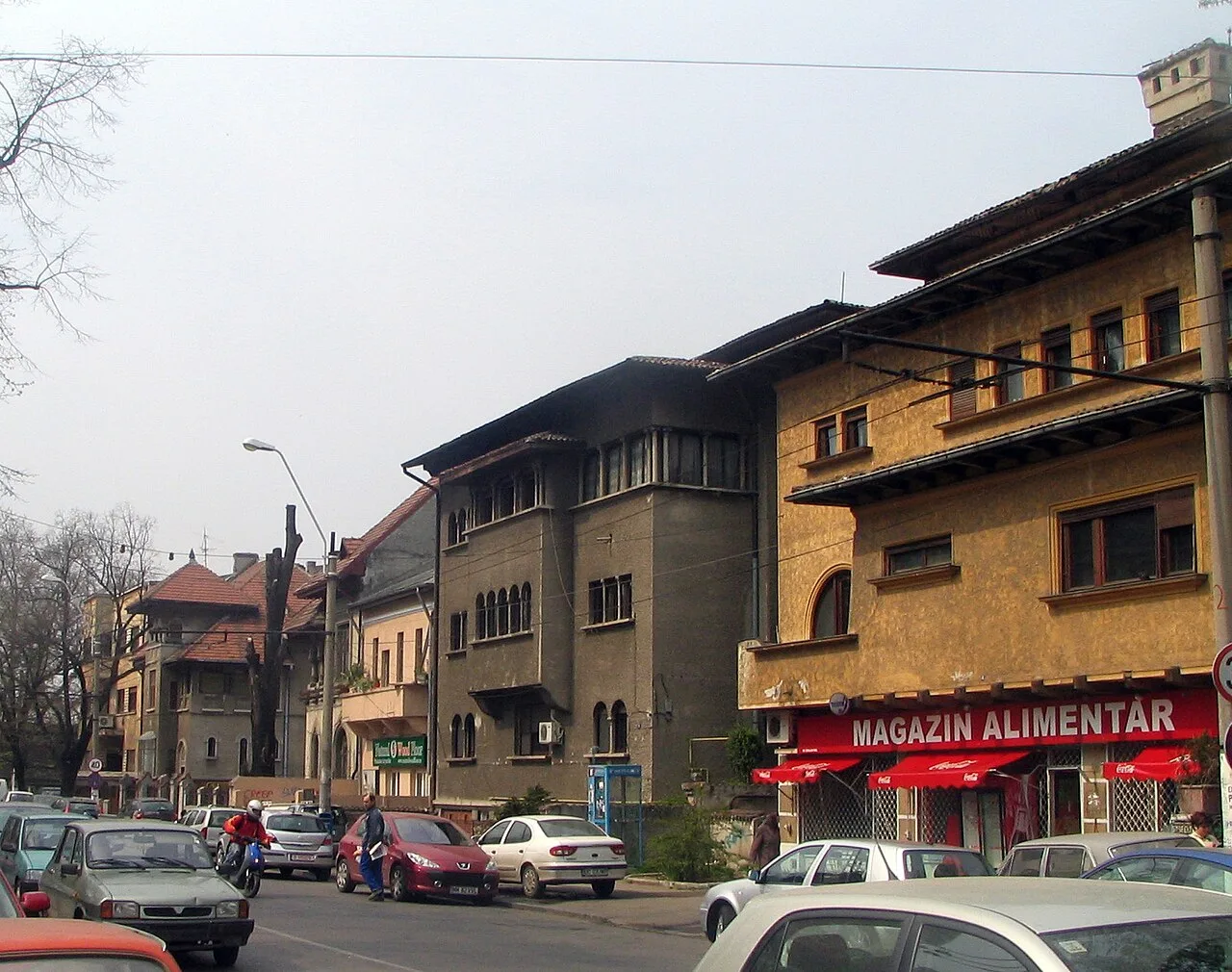
A quiet residential street in Bucharest's leafy Cotroceni district, lined with interwar Neo-Romanian houses
A quiet, leafy street in the Cotroceni district.Photo: Bogdan Giușcă · CC BY-SA 3.0 · Wikimedia Commons