Capture the City
Bucharest Photography Guide
Complete guide to photographing Bucharest - best locations, timing, and techniques
Reviewed June 2026 · Love Bucharest editorial team
Photo: Joe Mabel · CC BY-SA 3.0 · Wikimedia Commons
Photographing Bucharest
Bucharest offers incredible photography opportunities - from whimsical covered passages to grand belle époque architecture, peaceful parks to vibrant street life. This guide reveals the best spots, optimal timing, and insider techniques.
How to plan a shooting day
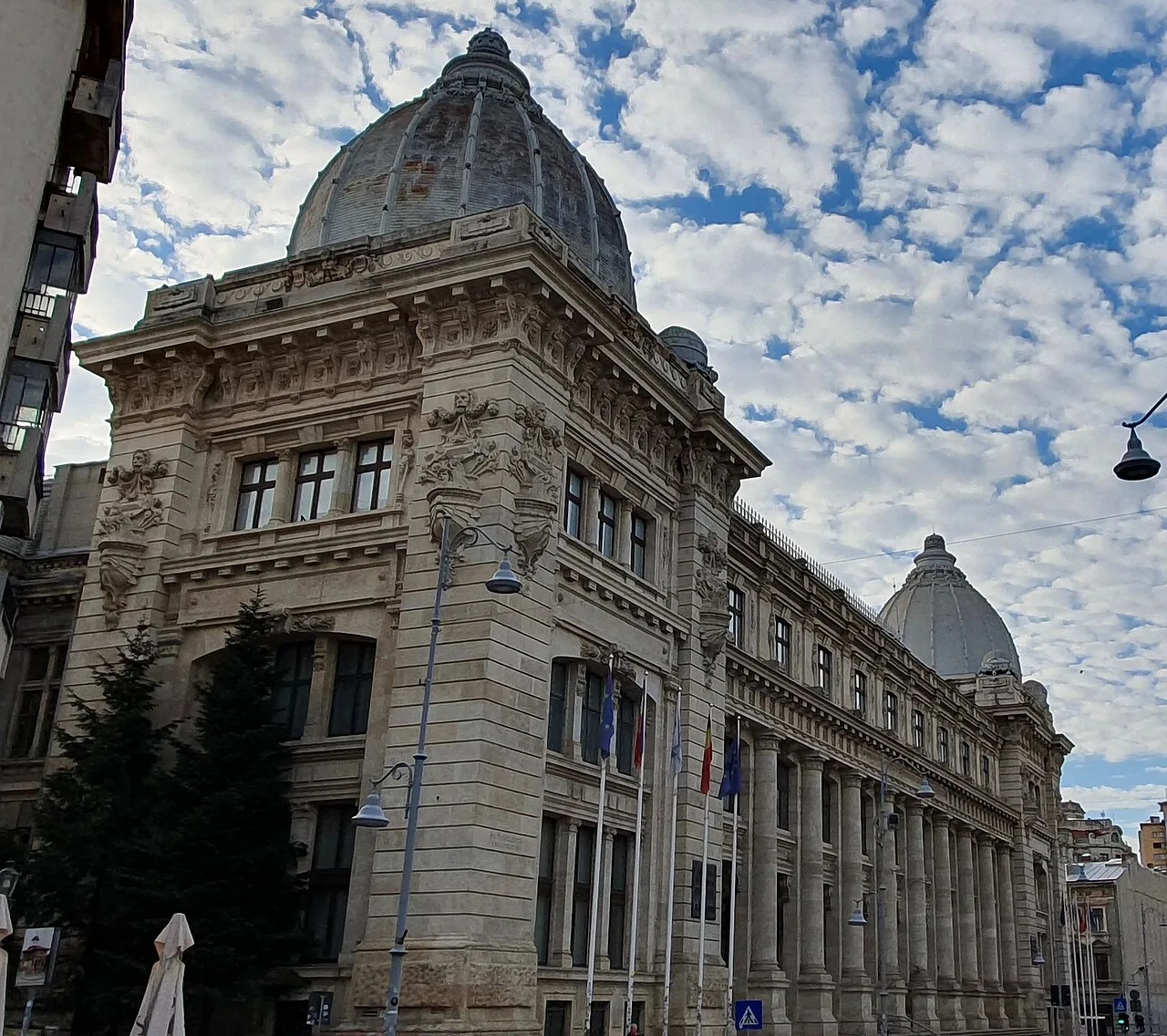
Bucharest rewards photographers who plan around light rather than around a checklist. The historic centre is compact and walkable, so a single day can take in the yellow-glass Pasajul Macca-Vilacrosse, the white spiral of Cărturești Carusel, the grand belle-époque façades of Calea Victoriei, and the carved courtyard of Stavropoleos — the architecture that earned the city its "Little Paris" name. The trick is to sequence them by the light each one wants.
A reliable rhythm: start at 7–9am in the Old Town while the lanes are empty and the light is low; use the flat midday hours for the covered passages and any interiors; head to a park (Cișmigiu or Herăstrău) for golden hour; and finish at blue hour in front of a floodlit landmark like the Athenaeum or CEC Palace. Almost everything is free to visit and photograph, so the only real cost is an early alarm. The locations, routes, timing notes and gear advice below will help you build the day.
Best Photography Locations
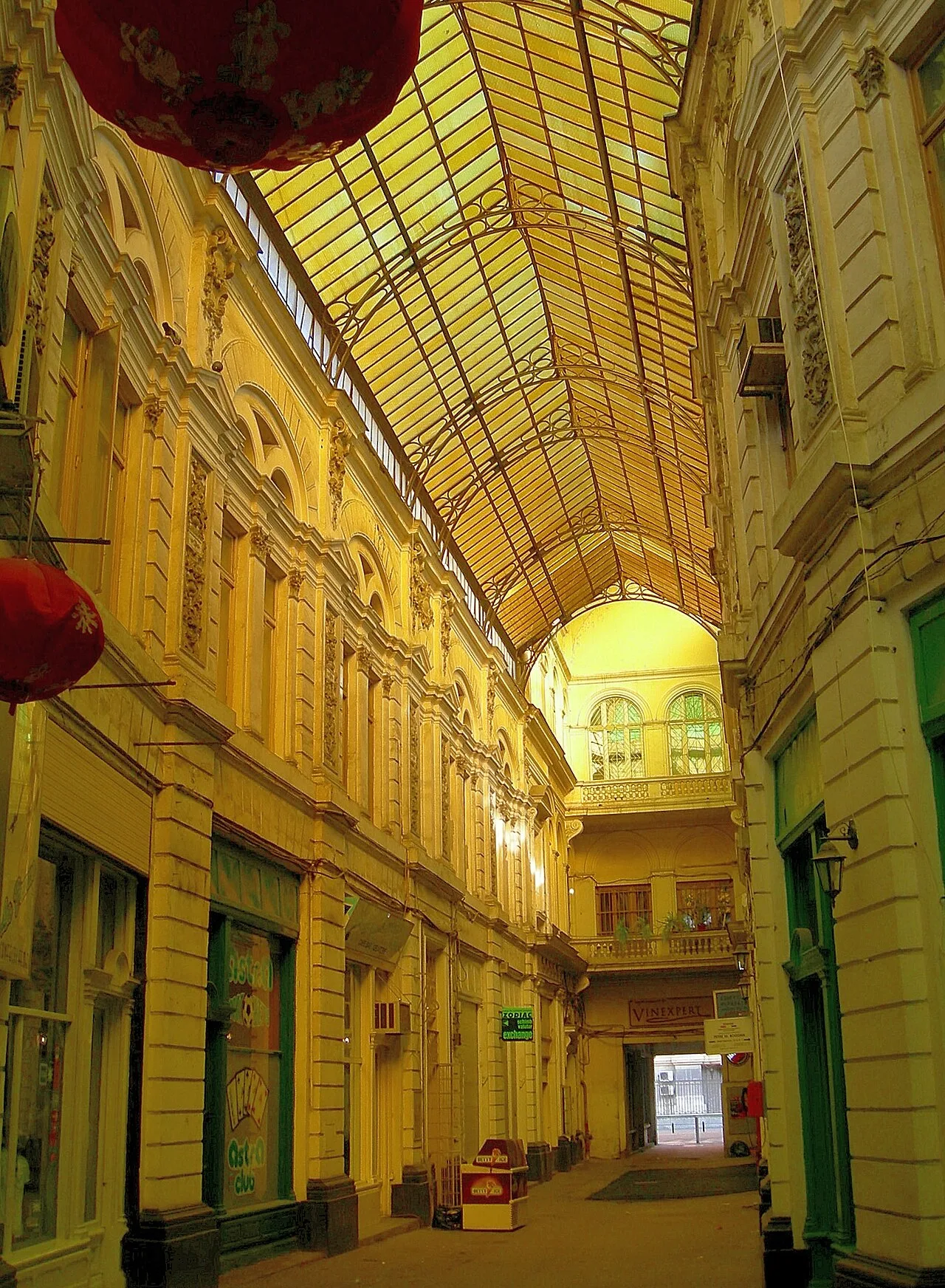
Pasajul Macca-Vilacrosse
Best Time
Late afternoon, when the sun rakes through the yellow glass for that signature golden light; or evening when the overhead lamps glow.
Subjects
Architecture, people, atmosphere
Composition
Stand at the central fork (the passage splits in two around the old hotel that wouldn't sell) for the most dramatic backdrop. Frame a café table or a figure for warmth and scale. The 1891 arcade reads like a slice of Paris.
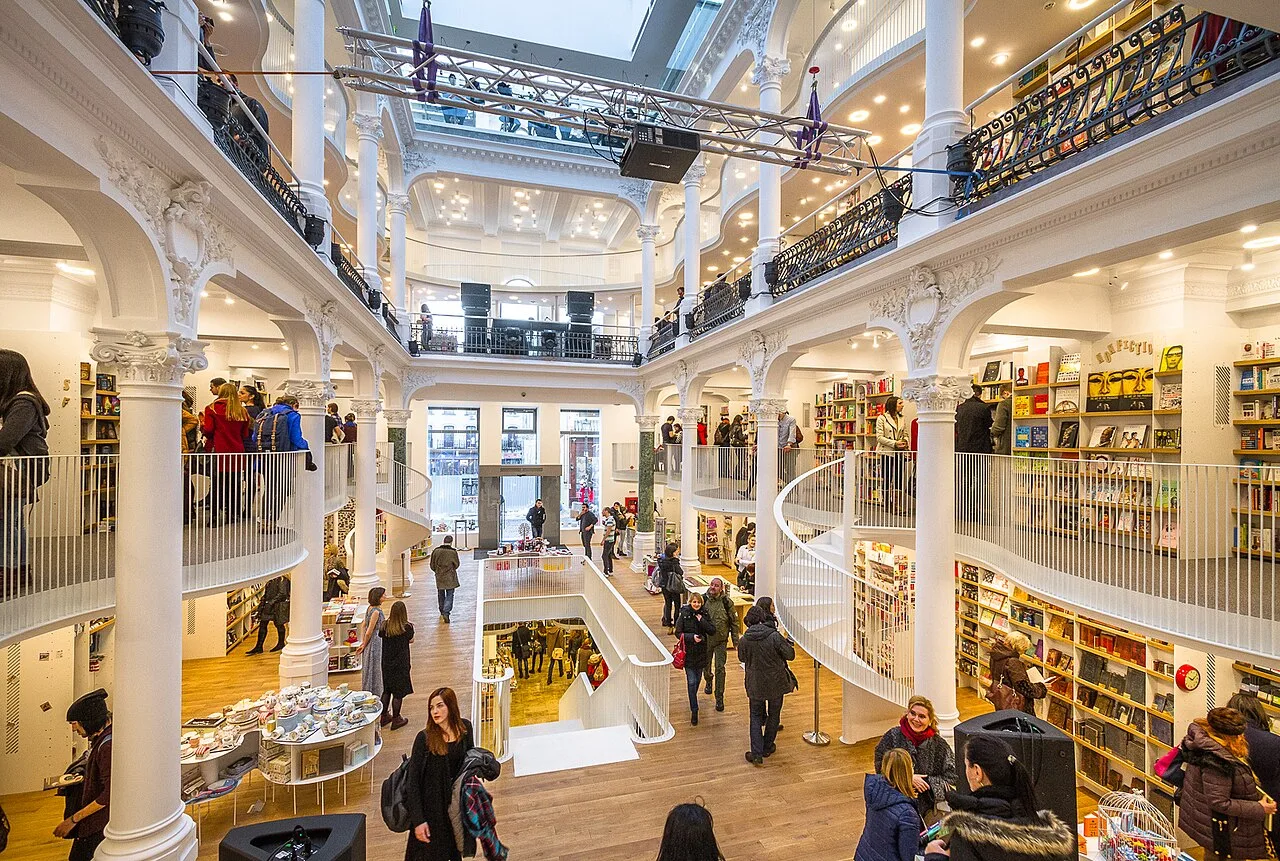
Cărturești Carusel
Best Time
Any time it's open; mornings are quietest. The glass roof gives soft, even light all day.
Subjects
Architecture, spiral staircases, symmetry
Composition
Shoot from the top floor straight down into the white atrium for the full spiral, or from the ground looking up for symmetry. The curved balustrades are natural leading lines; an ultra-wide lens captures the whole sweep of this 2015-restored former bank.
Romanian Athenaeum
Best Time
Blue hour, 20–30 minutes after sunset, when the floodlights warm the stone against a deep-blue sky.
Subjects
Architecture, night photography, portraits
Composition
Use the fountain on the lawn for a reflection of the lit dome, or shoot from the grass to get the columns and cupola together. The front steps of the 1888 hall make an elegant portrait setting.
Old Town Streets (Lipscani)
Best Time
Early morning (7–9am) for empty lanes and low, raking golden light.
Subjects
Street photography, architecture, details
Composition
Work the side alleys off the main lanes for less-photographed angles, and look for contrasts — ornate detail beside modern signage, bright passages beside shadowy lanes. Cobbles read best with low, directional light.
Cișmigiu Gardens
Best Time
Golden hour around the lake; autumn for foliage, winter for snow and the ice rink.
Subjects
Nature, boats, reflections
Composition
Frame the weeping willows and Victorian lampposts of this 1847 park for a painterly look. The rowboats add movement and colour on the water; mirror-still mornings give clean reflections.
Palace of the Parliament
Best Time
Blue hour from Bulevardul Unirii when the façade is lit; daytime for the colonnade detail.
Subjects
Architecture, scale, perspective
Composition
Shoot down the boulevard from the Unirii Square fountains, using them as foreground to convey the sheer scale of one of the largest buildings in the world. Three-quarter angles reveal the repeating colonnades.
Two easy photo-walk routes
Old Town textures (90 minutes)
Best time: Early morning for empty streets, or blue hour for glow + reflections
Keep this route light. The goal is a handful of strong frames and time to wait for the right light — not speed.
Classic architecture (2 hours)
Best time: Late afternoon into blue hour
Keep this route light. The goal is a handful of strong frames and time to wait for the right light — not speed.
Photography Tips
Chase golden hour
The hour after sunrise and before sunset gives the warmest, softest light — best for parks, façades and outdoor portraits. In summer the sun sets close to 9pm, so you get a long, gentle evening window.
Stay for blue hour
The 20–30 minutes after sunset are the magic window for architecture: the Athenaeum, CEC Palace and Palace of the Parliament all glow against a deep-blue sky once their floodlights come on.
Go early for empty streets
The Old Town lanes, Umbrella Street and Cărturești Carusel are only crowd-free around 7–9am. Early light is also cleaner and more directional for the cobbles and façades.
Embrace cloudy days
Flat, overcast light is ideal for architectural detail and street photography — even tones, no harsh shadows. Save the covered passages and interiors for bright midday sun.
Respect restrictions
Museums, churches and venues like Therme limit or charge for photography. Look for signage, ask staff, and never use flash near artworks or inside a working church.
Pick your season
Spring brings blossom and fresh green, autumn the golden foliage in the parks, and winter snow plus Christmas-market lights. Each gives the same landmarks a completely different mood.
Pack light but versatile
A wide-angle (or a phone's ultra-wide) for architecture and the bookshop atrium, a 35–50mm for street work, and a small telephoto for details. A pocket tripod helps for blue-hour shots.
Be friendly for portraits
For street portraits, ask first — a smile and a gesture go a long way, and Romanians are generally welcoming. It also gets you a more relaxed, genuine frame.
Gear & settings
Phone or camera?
A modern phone handles almost everything in this guide, especially with an ultra-wide lens for the passages and the Cărturești atrium and a night mode for blue hour. A dedicated camera mainly helps with low-light architecture and reach for details.
The one accessory worth bringing
A small tripod or even a beanbag. The strongest Bucharest shots are floodlit buildings at blue hour, and a steady base lets you drop the ISO and keep the façades crisp without noise.
Lenses, if you carry them
A wide-angle for architecture and interiors, a 35–50mm for street scenes and environmental portraits, and a light telephoto to isolate carved details on façades like the CEC Palace or the Athenaeum.
Settings to remember
For blue hour, use a low ISO, a small aperture (around f/8) for sharp façades, and a longer exposure on a steady base. For street work, raise the shutter speed to freeze movement and shoot in bursts to catch the right moment.
Seasonal Photography
Spring
Cherry blossoms, park blooms, fresh green, soft light
Summer
Blue skies, outdoor life, festivals, sunset at 9pm
Autumn
Golden foliage in parks, warm colors, dramatic skies
Winter
Snow on architecture, Christmas markets, moody atmosphere
Make your shots feel “Bucharest”
Look for layers
Bucharest photographs well when you frame contrasts: ornate details + modern signage, quiet courtyards + busy streets, bright passages + shadowy lanes. Don’t just shoot landmarks — shoot transitions.
Wait for one “people” moment
Your best frames often happen when you pause: a couple crossing a square, a café table in golden light, a tram passing through a clean composition. Build in waiting time on every route.
On rainy days
Rain is great for reflections. Choose covered passages, cafés with window seats, and a couple of interior anchors — then shoot streets after the rain when the city shines.
Keep it respectful
Some interiors have restrictions. When in doubt, ask staff, avoid flash, and keep your camera low-profile. For portraits, a quick smile and gesture goes a long way.
Frequently asked questions
What is the best time of day to photograph Bucharest?
Two windows do most of the work: golden hour (the hour after sunrise or before sunset) for parks, façades and portraits, and blue hour (20–30 minutes after sunset) for floodlit architecture like the Athenaeum and CEC Palace. Early morning, around 7–9am, is the only time the Old Town and the famous spots are crowd-free.
Where should I start a photo walk?
The Old Town is the densest cluster — Pasajul Macca-Vilacrosse, Cărturești Carusel, Umbrella Street and Stavropoleos are all a few minutes apart, with the Athenaeum, CEC Palace and Calea Victoriei just beyond. Start there early, then move to the parks for golden hour. The two ready-made routes below map it out.
Do I need a professional camera?
No. A modern phone handles almost all of these locations, especially with an ultra-wide lens for the passages and the bookshop atrium and night mode for blue hour. A dedicated camera mainly helps with low-light architecture and reaching for fine details. A small tripod is the single most useful accessory.
Can I photograph inside churches and museums?
Treat them case by case. The public passages and Cărturești Carusel are fine for personal photos. Churches like Stavropoleos are active places of worship — be discreet, dress modestly and avoid flash. Museums, the Palace of the Parliament and Therme restrict or charge for photography, so check the rules and signage first.
What is the best season for photography?
Each season reshapes the city: spring brings blossom and fresh green, autumn the golden foliage in the parks, and winter snow on the architecture plus Christmas-market lights. Summer gives long days and 9pm sunsets but harsher midday light — shoot early and late.
Is it safe to walk around with camera gear?
Bucharest is broadly safe, including the central areas, but use normal city common sense: keep gear close on packed transport, don't leave bags unattended on café terraces, and be a little more discreet after dark. The walkable centre makes it easy to get around on foot.
More Photography Spots