A couple chatting over coffee in a cozy specialty café

Lipscani Coffee & Brunch

Best Cafes in Old Town

A practical café guide for Bucharest’s historic center: specialty coffee, cozy stops, and a simple café crawl.

Reviewed March 2026 · Love Bucharest editorial team

Photo: Toa Heftiba / Unsplash

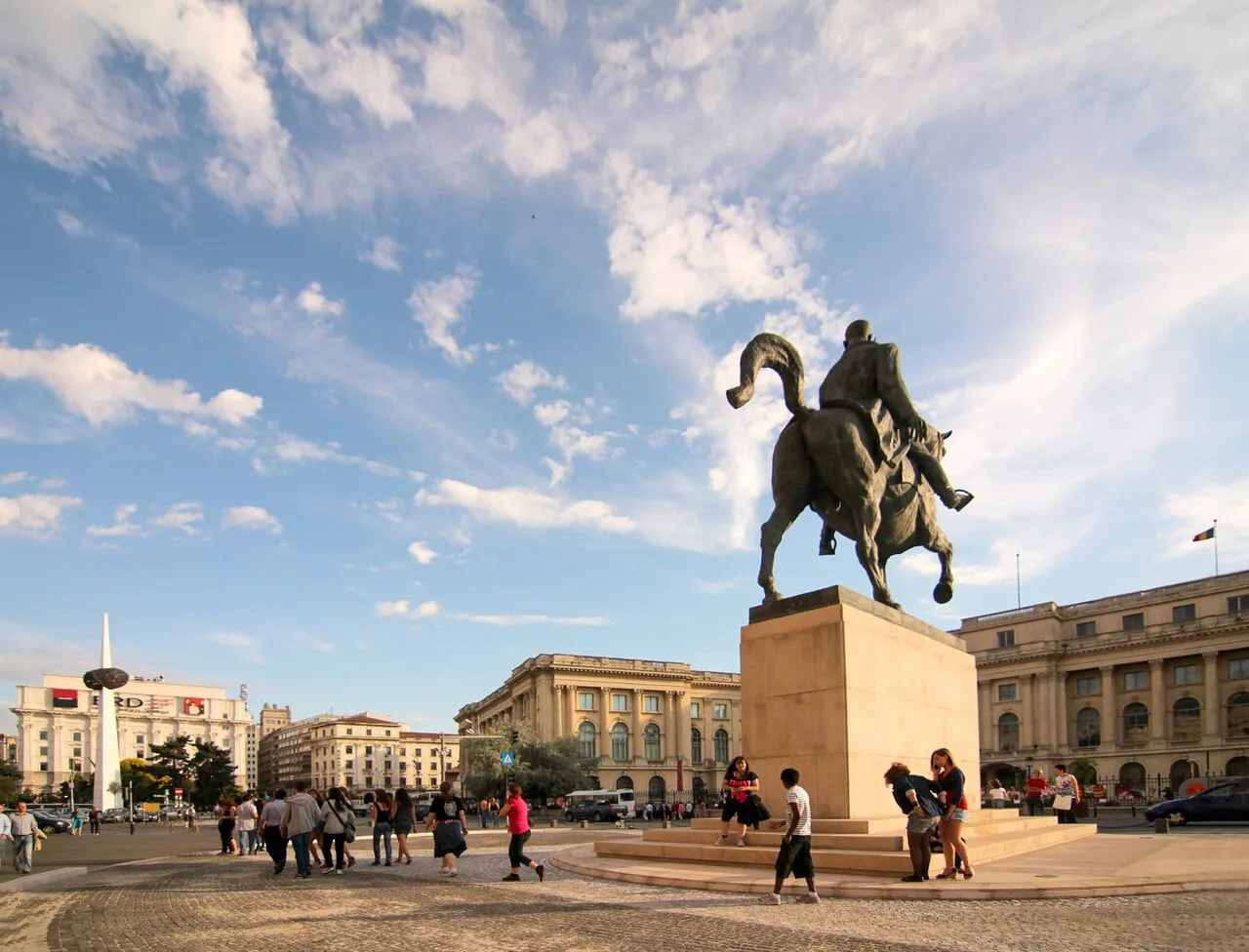
Revolution Square in Bucharest, with the equestrian statue of Carol I before the former Royal Palace and the Memorial of Rebirth spike
Revolution Square, with the statue of Carol I and the Memorial of Rebirth.Photo: Nicu Buculei · CC BY-SA 3.0 · Wikimedia Commons

Old Town coffee is best when it mixes quality and atmosphere

Lipscani is compact, which makes café-hopping easy. The trick is balance: one stop for truly great coffee, one stop for a calm courtyard vibe, and one stop for dessert. This guide focuses on Old Town cafés and the immediate edges, where the best specialty coffee often lives.

A quick map of the Old Town for coffee

Bucharest's Old Town — Lipscani, or Centrul Vechi — is a small grid of cobbled, mostly pedestrian lanes that was the city's commercial heart for centuries. The name itself comes from the German city of Leipzig: in the 1600s and 1700s, traders from Leipzig sold their wares here, and the main street still carries the name. Today the same lanes are packed with cafés, bars and restaurants, which is wonderful and occasionally overwhelming — so it pays to know where to point yourself.

The highest-quality coffee clusters on and just off Strada Lipscani, where Origo opened in 2013 and effectively started the city's specialty scene. A few steps away, Strada Stavropoleos leads to the tiny Stavropoleos Monastery (a 1724 Brâncovenesc-style church with a serene courtyard) — a lovely calm pause mid-crawl. Strada Smârdan, the first lane to be fully repaved when the district was restored, and the inn-named Gabroveni are the busier, bar-heavy stretches; pretty by day, loud by night.

For atmosphere over pure coffee quality, two spots stand out. Cărturești Carusel at Strada Lipscani 55 — a restored former bank turned white-galleried bookshop — has a glass-roofed café on its top floor. And just on the edge of the quarter, Pasajul Macca-Vilacrosse, the fork-shaped yellow-glass arcade opened in 1891, glows with golden light and is lined with cafés and shisha bars. Neither is where a coffee purist starts the day, but both are unforgettable rooms to sit in.

What to order is the easy part. A flat white or cappuccino is the default at any specialty room (roughly 12–18 lei), and the roasteries pour serious filter and pour-over coffee for slower mornings. To eat on the go, grab a covrig — Romania's twisted, oven-fresh pretzel, softer and bigger than the German kind — from a corner kiosk for around a leu (filled or seeded versions a touch more). If you want a sit-down sweet, the bookshop and courtyard cafés do cakes and pastries well. Keep cash for the kiosks and tips; everything else takes cards, and you should always pay in lei.

Choose a café by mood

Want the best coffee

Pick: Specialty coffee first (Origo-style)

Prioritize quality, keep the stop short, then walk.

Want brunch + coffee

Pick: A bright café like M60

Let it be the day’s anchor, then explore.

Want a quiet reset

Pick: Courtyard cafés and smaller rooms

Aim for side streets, not the loudest lanes.

Want atmosphere

Pick: Historic cafés near Calea Victoriei

Pair with a golden-hour boulevard walk.

Recommended cafés (Old Town + nearby)

Origo (Strada Lipscani)

Specialty coffee, serious espresso

Best for: Coffee quality and barista craft

Order: Espresso-based drinks or a filter brew

Tip

The Old Town's original third-wave shop (open since 2013) and still the benchmark. Go earlier for a calmer experience; it gets busy and turns into a cocktail bar in the evening.

Bistro Carusel (Cărturești Carusel, Strada Lipscani 55)

Glass-roofed bookshop café, stunning interior

Best for: A coffee with the most photogenic room in the centre

Order: Espresso or loose-leaf tea + a cake

Tip

On the top floor of the white-galleried Cărturești Carusel bookshop, set in a restored former bank. Come for the building as much as the coffee.

M60 (Piața Amzei edge)

Bright, modern, brunch-friendly

Best for: Coffee + brunch in one place

Order: Flat white + a brunch plate

Tip

A short walk from the historic core, this is a great start-the-day anchor before heading into Lipscani.

Beans & Dots (near Cișmigiu)

Cozy, design-forward, café-meets-workspot

Best for: A longer sit and a second coffee

Order: Cappuccino + something sweet

Tip

Large and spacious in the historic Universul building by Cișmigiu — a perfect mid-walk reset when the Old Town streets feel intense.

A courtyard café (Old Town style)

Plants, warm light, soft conversation

Best for: A romantic or relaxed coffee break

Order: Latte + a pastry

Tip

Tucked-away inner courtyards and passage cafés are about atmosphere — pick the vibe over the menu and slow down for half an hour.

Pasajul Macca-Vilacrosse cafés (just off the Old Town)

Belle-époque covered arcade, golden glass light

Best for: A characterful coffee or tea under a glass roof

Order: Coffee or tea + people-watching

Tip

The fork-shaped, yellow-glass arcade (opened 1891) is lined with cafés and shisha bars. Atmospheric and a touch touristy — go for the setting, keep expectations on the coffee modest.

Café openings and menus change often. Use the names above as a curated starting list and verify hours on your travel dates.

A simple self-guided café crawl (2–3 hours)

1) Start on the edge (quality coffee)

Begin with a specialty coffee stop near the center, then walk toward the Old Town at an unhurried pace.

2) Passages + monastery pause

Walk the covered passages and stop at Stavropoleos Monastery for a quiet moment before the next café.

3) Courtyard café break

Choose a courtyard café for atmosphere. This is the “slow” part of the crawl.

4) Finish with dessert

End with cake or pastries — a simple finale that makes the route feel complete.

Old Town café tips

Go early for the best tables and the calmest vibe (especially weekends).
Old Town cafés can get crowded after lunch; treat mornings as the sweet spot.
Cobblestones + coffee = slower walking. Build extra time between stops.
If a place feels too loud, leave. Another café is always a 2-minute walk away.
Keep one stop “fast” (quality coffee) and one stop “slow” (atmosphere).

Frequently asked questions

How much does a coffee cost in the Old Town?

Specialty coffee runs a little above the chains — a flat white commonly lands in the ~12–18 lei range, with espresso cheaper. Cafés right on the busiest squares can charge a touch more for the location. It is still excellent value; pay in lei.

Where is the best coffee in Lipscani?

Origo, on Strada Lipscani, is the Old Town's original third-wave shop and still the benchmark for espresso and filter. Bistro Carusel on the top floor of the Cărturești Carusel bookshop is the most beautiful room. M60 and Beans & Dots, just off the core, are great for coffee-plus-brunch.

What is the most atmospheric café spot?

Pasajul Macca-Vilacrosse — the fork-shaped, yellow-glass covered arcade that opened in 1891 — is lined with cafés and shisha bars and glows in the afternoon light. Inner courtyards off the main lanes are the calmer, more romantic alternative.

When should I go to avoid the crowds?

Mornings are the sweet spot — calmest tables, best service, prettiest light, and the easiest time to get a seat in the popular rooms. Old Town cafés fill up after lunch, and weekends are the busiest of all. If a place feels too loud or full, another café is rarely more than a two-minute walk away.

Is there good brunch in the Old Town?

Yes. Bright, design-led cafés like M60 (a short walk from the core) build their day around brunch — avocado toast, cakes — alongside specialty coffee. Treat one as your morning anchor, then walk into Lipscani afterwards.

Do Old Town cafés take cards?

Almost all do, and many are card-first, so you rarely need to carry much. Keep a little cash for tips, the smallest kiosks and a warm covrig (around a leu) from a street stall. Decline dynamic currency conversion at the terminal so you are charged in lei rather than a marked-up euro rate, which is always the better deal.

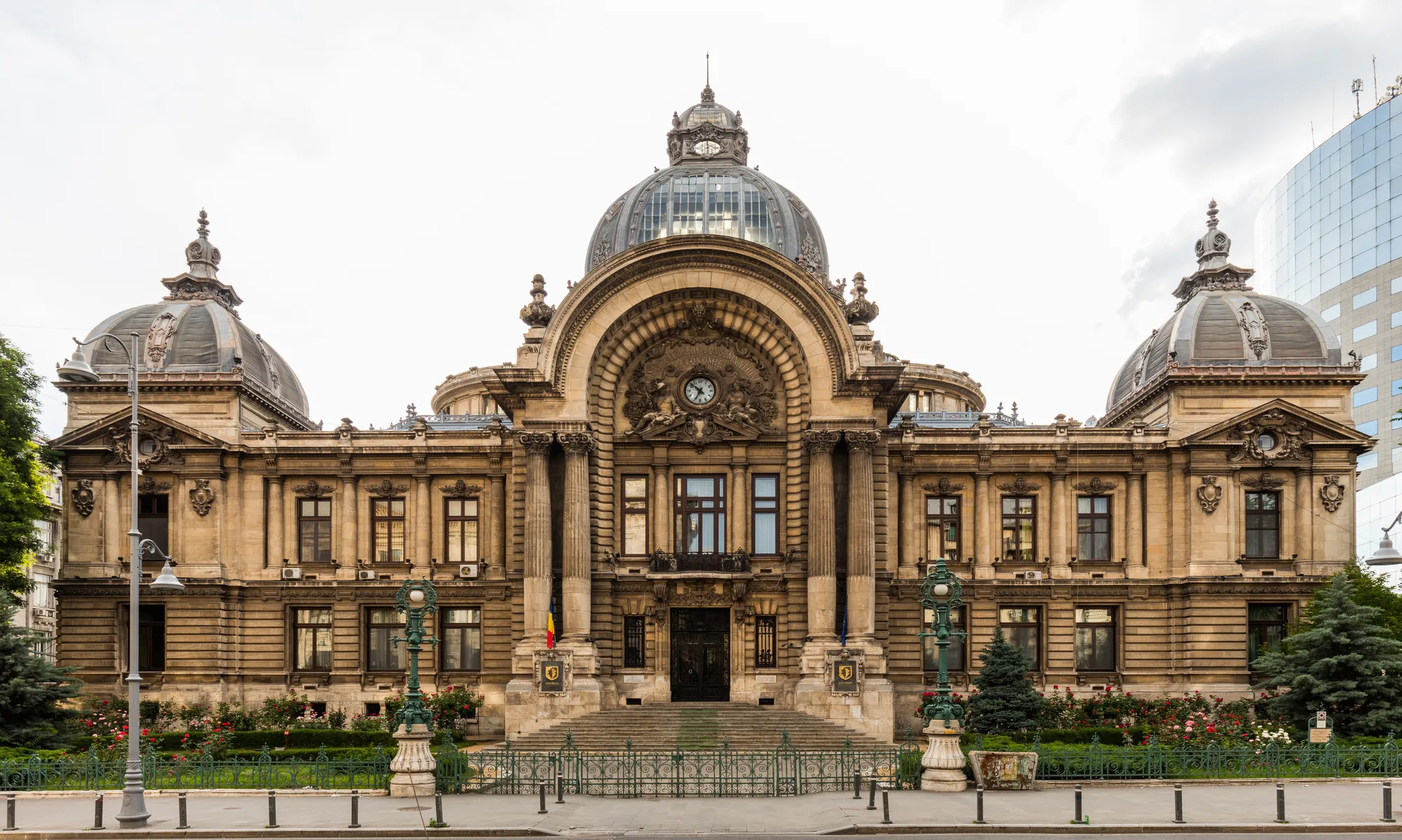
The Belle-Époque CEC Palace on Calea Victoriei in Bucharest, with its central glass-and-metal dome and corner cupolas
The CEC Palace on Calea Victoriei, one of Bucharest's grandest Belle-Époque facades.Photo: Diego Delso · CC BY-SA 4.0 · Wikimedia Commons