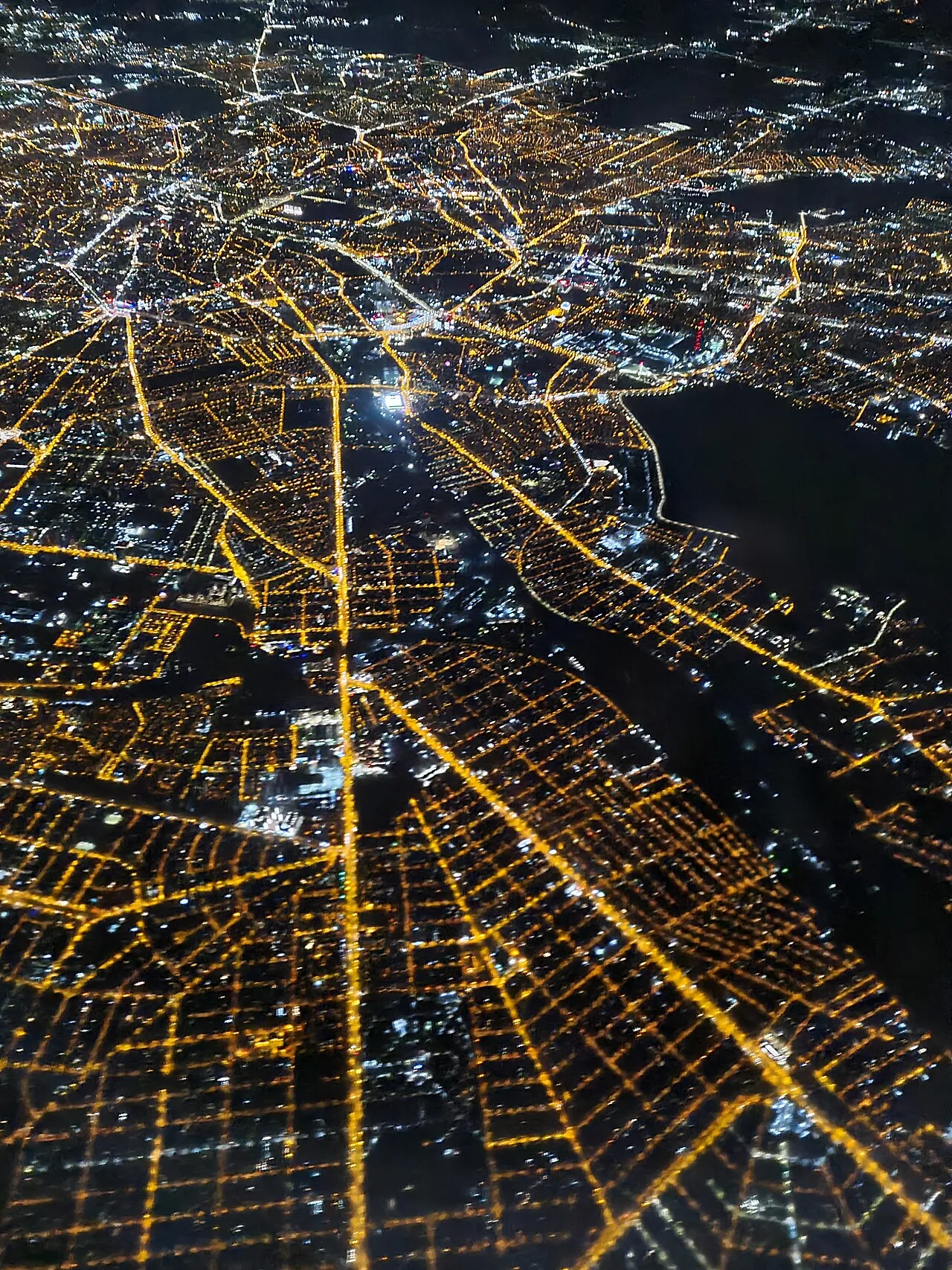
A night-time aerial view over Bucharest, the city's radiating grid of streets brightly lit

A First-Timer Itinerary

3 Days in Bucharest

Three days is the sweet spot: the Old Town layer, the elegant boulevard layer, and one memorable “anchor” experience.

Reviewed May 2026 · Love Bucharest editorial team

Photo: George M. Groutas · CC BY 2.0 · Wikimedia Commons

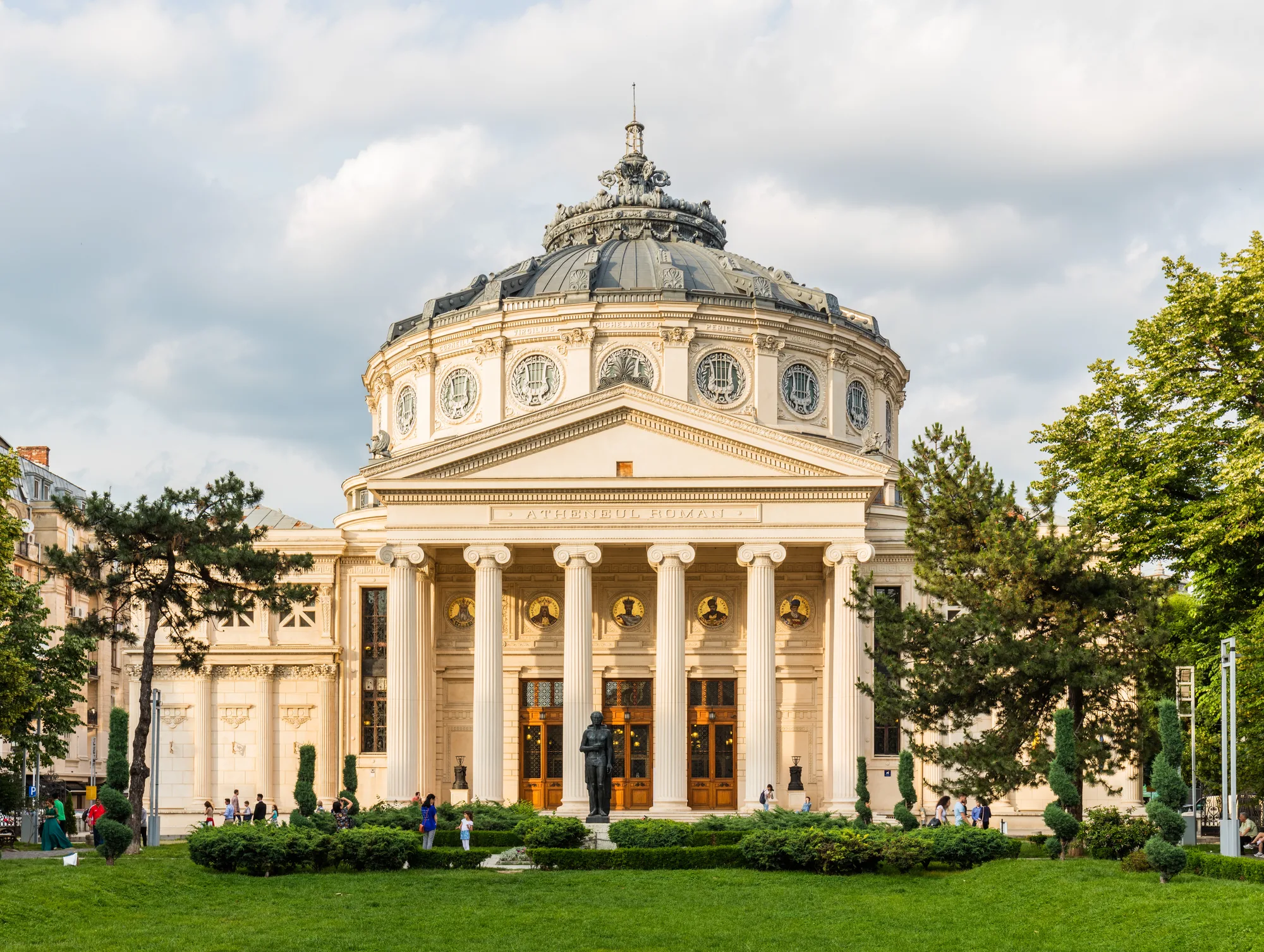
The round neoclassical Romanian Athenaeum concert hall in Bucharest, with its domed roof and Ionic-columned portico
The Romanian Athenaeum, the gilded Belle-Époque concert hall at the heart of the city.Photo: Diego Delso · CC BY-SA 4.0 · Wikimedia Commons

The best 3-day plan is simple: one anchor per day

Three days is the sweet spot for Bucharest. It is just enough to feel the city's three distinct layers — the cobbled, café-filled Old Town; the belle-époque grandeur of Calea Victoriei; and one genuine “wow” anchor like the Palace of the Parliament — without ever turning the trip into a checklist. The Romanian capital rewards a calm pace, and a good itinerary here protects the slow blocks (a long café stop, a park hour) as carefully as the famous sights.

The structure below gives each day a single clear anchor plus two flexible blocks you can expand, shrink, or swap depending on weather, opening hours, and energy. Day 1 is the Old Town and its hidden passages; Day 2 is the boulevard, a museum, and a park; Day 3 is the Parliament tour plus a restful finale. Almost everything in the historic core is walkable, with the metro and a Bolt or Uber covering the few longer hops.

Prices below are in Romanian lei (RON, not euro) and are planning ranges that can shift — we link the official sources at the foot of the page so you can confirm the volatile ones before you go. Two facts worth fixing now: book the Palace of the Parliament tour in advance and bring photo ID, and keep a little cash for tips even though cards work almost everywhere.

Day 1

Old Town, hidden passages, and a theatrical first evening

Morning

  • Start in the Old Town (Lipscani) by around 9am, while the cobbled lanes are quiet and good for photos — the same streets get loud and crowded by lunchtime.
  • Walk Pasajul Macca-Vilacrosse, the fork-shaped covered passage roofed in yellow glass off Calea Victoriei; it takes ten minutes but is one of the city's most photogenic corners.
  • Step into Stavropoleos Monastery, a tiny 1724 Brâncovenesc-style church with a serene arcaded courtyard tucked behind the streets — free to enter, a five-minute calm reset.
  • Loop past the National Bank building and the Old Princely Court (Curtea Veche), the 15th-century ruins linked to Vlad the Impaler, before the streets fill.

Afternoon

  • Have lunch a street or two off the busiest Lipscani lanes to dodge the loudest tourist traps — neighbourhood plates run roughly 35–45 lei, a sit-down main around 50–120 lei.
  • Visit Cărturești Carusel, the white six-floor "Carousel of Light" bookstore in a restored 19th-century building on Strada Lipscani — free to wander, with a top-floor café.
  • Wander without a strict plan for an hour: courtyards, small galleries, and the lanes around Strada Franceză reward slow exploring.
  • If energy is high, drift north toward Calea Victoriei for a first taste of the grand boulevard.

Evening

  • Pick one "special" dinner — traditional Romanian (sarmale, mici, papanași) or a modern bistro. For the landmark rooms like Caru' cu Bere, book ahead.
  • Keep nightlife intentional: a cocktail bar, a wine bar, or a rooftop with a skyline view rather than a random club street.
  • Tip around 10% in cash for good service, and check the bill in case a service charge is already added.
  • Finish with a short Old Town loop after dark, when the lit facades and lantern-lit passages feel genuinely theatrical.
Day 2

Calea Victoriei elegance, a museum, and a park afternoon

Morning

  • Walk the core of Calea Victoriei, Bucharest's grand 2.7km belle-époque boulevard, from Revolution Square past the Romanian Athenaeum and the former Royal Palace.
  • Pause at the Romanian Athenaeum (Ateneul Român), the 1888 domed concert hall home to the George Enescu Philharmonic — a self-guided daytime visit ticket is around 15 lei when the rehearsal schedule allows.
  • Add one museum to taste: the National Museum of Art of Romania (in the former Royal Palace), the National Museum of Romanian History, or the lovely Grigore Antipa natural history museum.
  • Slow down with a coffee at a classic spot — Casa Capșa has poured coffee on this boulevard since 1852.

Afternoon

  • Choose a green escape: Cișmigiu Gardens (the city's oldest park, laid out from 1847, central and romantic with a boating lake) or Herăstrău in King Mihai I Park, the huge lake park to the north.
  • If folk culture appeals, pair Herăstrău with the Dimitrie Gusti National Village Museum next door — 300-plus relocated traditional houses across the open-air grounds; adult admission around 10 lei (allow 2–3 hours).
  • Leave room for pastries or an ice cream — the unhurried café-and-snack rhythm is an underrated part of how locals use these parks.

Evening

  • Make tonight a "culture night": a concert at the Athenaeum or the Romanian National Opera, a play, or simply a beautifully designed bar.
  • Choose dinner in a calmer district than the Old Town — Dorobanți, Floreasca, or around Piața Romană — for a more local, residential side of the city.
  • If energy remains, take a short, scenic walk back through the lit center toward your base.

Day 3

The Palace anchor and a flexible, restful finale

Morning

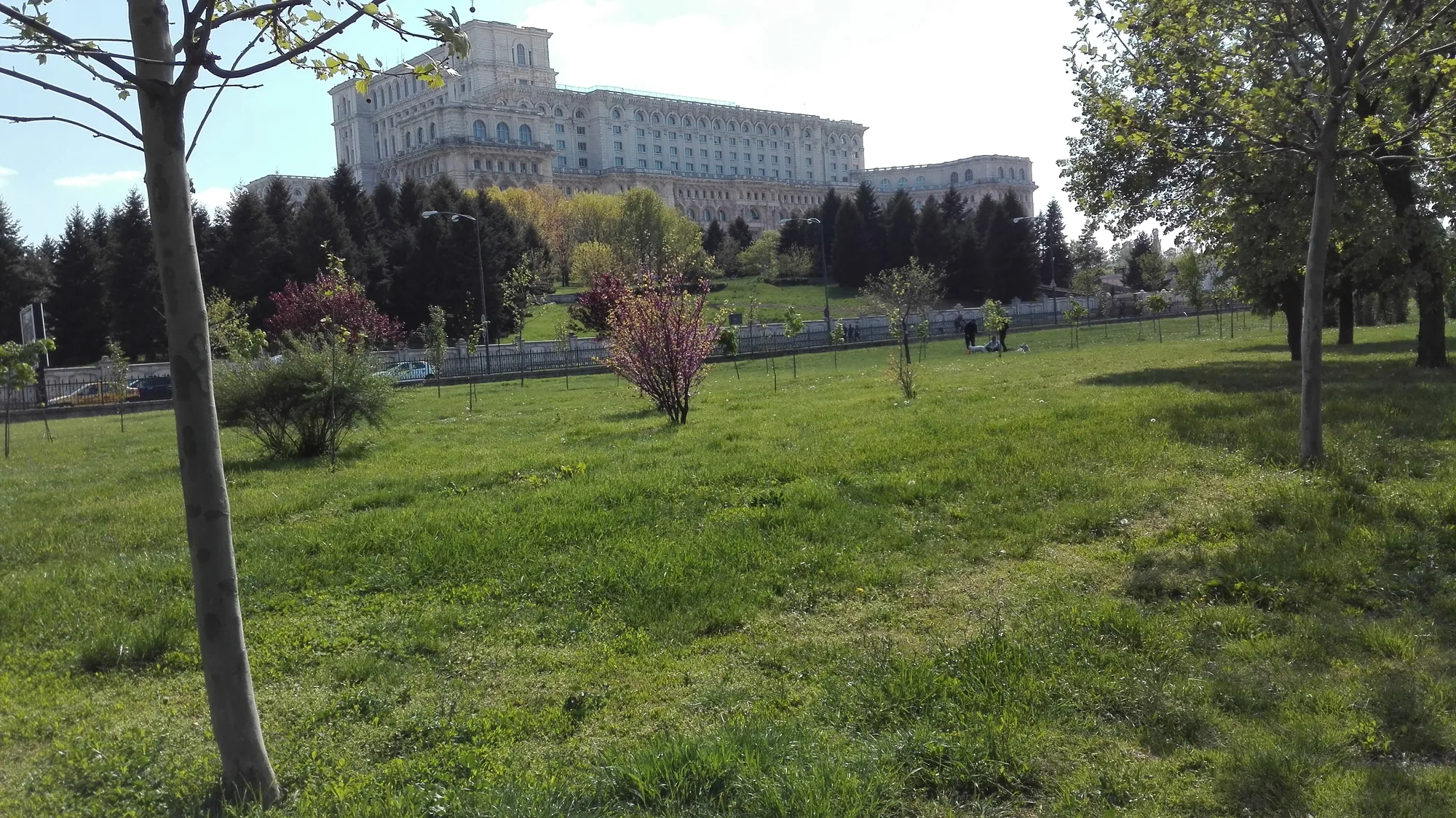
  • Book the Palace of the Parliament tour in advance — it is the world's heaviest building and second-largest administrative one, and a guided visit (the only way in) runs around 60 lei for the standard route.
  • Arrive 20–30 minutes early: it is a working government building, so security and a government-issued photo-ID check take time.
  • Treat the tour (about 60–90 minutes) as the morning's only anchor — do not stack extra stops before it and risk arriving rushed.
  • Afterwards, stroll the vast Piața Constituției and the Bulevardul Unirii fountains that line the axis back toward Piața Unirii.

Afternoon

  • Option 1 — a spa reset: Therme București, the giant thermal complex about 10–15 km north near Balotești, makes a restful final afternoon (entry is tiered by zone and time, roughly from the 70–110 lei range upward).
  • Option 2 — neighbourhood wandering: the leafy Cotroceni quarter, Carol Park with its mausoleum and giant sundial, or the antique-shop lanes for a slower, local pace.
  • Option 3 — a short escape if you have extra time: an easy half-day around the city, or save a full day trip (Peleș, Bran, Brașov by train) for a fourth day.

Evening

  • Pick a "final dinner" by mood: Old Town buzz or a calmer, elegant boulevard restaurant in Dorobanți or near Calea Victoriei.
  • If you saved a culture night, this is the moment for a last concert or a beautifully lit cocktail bar with a view.
  • Add one last dessert stop — papanași or a slice of cozonac — and a short night walk, the simple ritual that makes a trip feel finished.

What each day actually looks like

Day 1 — the Old Town on foot

Day 1 is almost entirely walkable and centred on a square kilometre of historic streets, so no transport budget is needed beyond your own legs. Start early at Pasajul Macca-Vilacrosse, then weave to Stavropoleos Monastery, the Old Princely Court, and Cărturești Carusel — these sit within a few hundred metres of each other, so the “distance” is really just how often you stop. Lipscani turns from photogenic to packed around midday, which is exactly when a long, unhurried lunch makes sense.

Keep the afternoon loose. The point of Day 1 is texture: courtyards, doorways, small galleries, and the gradual realisation that Bucharest hides its best corners just off the main lanes. Save real energy for the evening, when the lit passages and facades are at their most atmospheric and a single well-chosen dinner sets the tone for the whole trip.

Day 2 — boulevard, museum, and a park

Day 2 trades the intimate scale of the Old Town for the grand axis of Calea Victoriei. Walking the boulevard from Revolution Square is itself the attraction — the Athenaeum, the former Royal Palace (now the National Museum of Art), and a parade of belle-époque facades. Pick just one museum so the morning stays calm; the Art Museum and the Antipa natural history museum are the easiest first choices, each an hour or two.

The afternoon is the park block. Cișmigiu is a five-minute walk from the boulevard and perfect if you want to stay central; Herăstrău and the Village Museum are a short metro ride north (M2 toward Aviatorilor) and better if you want big-lake scenery and folk architecture together. Either way, leave deliberate space to do nothing — a bench, a coffee, a slow hour — because that is the part of Bucharest most visitors wish they had given more time.

Day 3 — the anchor and the finale

Day 3 is built around a single immovable booking: the Palace of the Parliament tour. Everything else flexes around it. Arrive with photo ID and time to spare for security; the tour runs roughly 60–90 minutes and leaves you on the monumental Piața Constituției, from which the fountain-lined Bulevardul Unirii points straight back to Piața Unirii.

The finale is yours to choose. A Therme afternoon is the restful option after two walking-heavy days; a wander through Cotroceni or Carol Park is the local, low-cost one; and an easy escape works if you have stretched the trip to four days. Whatever you pick, end with one last dessert and a short night walk — the small ritual that makes the trip feel complete rather than simply over.

Weather-proof swaps (rain or winter)

If it rains

  • Swap long walks for beautiful interiors: Cărturești Carusel, the National Museum of Art in the former Royal Palace, and the Antipa natural history museum all keep a wet day rewarding.
  • Plan one long café stop and let the worst of the weather pass — the covered Pasajul Macca-Vilacrosse is itself a dry, photogenic shelter.
  • Cluster attractions that sit close together so you minimise time outdoors, and lean on the metro or a Bolt to avoid soggy transfers.
  • Move the Parliament tour or a Therme afternoon to the wettest day — both are entirely indoors and built for exactly this.

If it is winter

  • Shorten outdoor loops and pin one warm indoor highlight to each day so you are never far from shelter.
  • Do the Old Town in daylight (it gets dark early) and save the most scenic evening walk for a clear, crisp night.
  • Treat a Therme afternoon as the winter "reset" — the outdoor thermal pools are open year-round and feel magical in the cold.
  • If you visit in December, build in the Christmas markets: the main one sets up on Piața Constituției in front of the Parliament, with a second around the Old Town.

Practical notes that keep the itinerary smooth

Stay central

A central base saves time every single day. For first-timers, the edges of the Old Town, Universitate, or Calea Victoriei are the most reliable picks — close enough to walk home after dinner, calm enough to sleep.

Pick the right area

Book the big ticket early

The Palace of the Parliament is guided-tour-only and popular day tours can sell out. Booking ahead — and bringing photo ID — keeps the itinerary calm and predictable, and guarantees you actually get in.

Parliament tour tips

Use walking + metro

The center is made for walking, and the four-line metro (about 7 lei a ride, up from ~5 lei in May 2026) makes the parks, the Village Museum, and the Parliament effortless when feet are tired. Keep a rechargeable card topped up.

Metro guide

Plan one slow block per day

Bucharest is best with breathing room: a long café stop, a park hour, or a single museum visited without rushing. The slow blocks are what turn three days of sightseeing into an actual sense of the city.

Café guide

Eat one traditional meal

Set aside one dinner for Romanian classics — ciorbă (a sour soup), sarmale with mămăligă, and papanași for dessert. The landmark Old Town rooms are touristy but cook the classics well; book ahead for the famous ones.

Restaurant guide

Mind the Monday closures

Many Bucharest museums close on Mondays (and the Village Museum runs an outdoor-only, reduced-price visit on Monday and Tuesday). Check opening days before you lock a museum into a specific day of the itinerary.

Museum routes

How to get around in three days

Walk the center first

The Old Town, Calea Victoriei, University Square, and Cișmigiu are all an easy walk apart — you can cross the historic core in 20–25 minutes on foot. For first-timers, walking is genuinely the fastest and most pleasant way to link Day 1 and Day 2.

Metro for the longer jumps

The four-line metro (M1–M4, run by Metrorex) is quick and cheap for reaching Herăstrău, the Village Museum, or the Parliament. Travel is on a rechargeable card; a single journey is around 7 lei (raised from ~5 lei in May 2026) — check Metrorex for the live price. Trains run roughly 05:00–23:00.

Surface transport (STB)

Buses, trams, and trolleybuses (STB) use a separate rechargeable "Card Activ" (the card itself about 3.70 lei). A single 90-minute trip with transfers has been around 3 lei, and a 24-hour all-surface pass about 8 lei. Note that STB and the metro are separate ticketing systems.

Rideshare for late nights

Bolt and Uber both operate widely and are inexpensive — ideal after dinner, with luggage, or when feet are tired. They are also the safest way to avoid the small number of overcharging street taxis.

Where to base yourself

For a three-day trip, a central base saves time on every single day. These four areas keep the whole itinerary walkable, with the metro filling in the longer hops to the parks and the Parliament.

Old Town (Lipscani)

The most walkable base, with sights, restaurants, and bars at the door. The trade-off is noise — pick a street one block off the loudest lanes if you are a light sleeper.

Universitate

A short walk from both the Old Town and Calea Victoriei, well connected by metro (M2), and a touch calmer at night — a reliable all-round choice for a first visit.

Calea Victoriei

Elegant and central, lined with belle-époque buildings, museums, and the Athenaeum. Quieter than the Old Town, with fewer late-night dining options on the doorstep.

Piața Romană

A practical, business-leaning area on the M2 line with good cafés and easy access to Dorobanți dining; a calm, well-located base slightly north of the historic core.

Common first-timer mistakes (and how to plan around them)

Not booking the Parliament tour

The Palace of the Parliament only admits visitors on guided tours, and weekend and peak-season slots sell out. Reserve your time and route in advance and bring photo ID, or you may not get in on the day.

Over-stacking each day

Three days is the sweet spot precisely because it lets you keep one anchor per day. Trying to fit three "big" sights into a single afternoon turns the trip into transit and queues. Plan one slow block daily.

Exchanging money at the airport

Airport exchange rates are poor. Romania uses the leu (RON), not the euro; cards work almost everywhere, so withdraw a little cash from a bank ATM in town and decline dynamic currency conversion so you pay in lei.

Treating the parks as filler

Cișmigiu and Herăstrău are highlights, not afterthoughts. Skipping them to cram in another museum is the most common way visitors miss the gentler, genuinely local side of Bucharest.

What three days actually costs

Bucharest is one of Europe's best-value capitals, and three days here costs far less than the equivalent trip in Western Europe. Sightseeing is cheap: most museum tickets sit around 10–15 lei, the Palace of the Parliament standard tour is roughly 60 lei, and the Village Museum is about 10 lei. Transport is almost an afterthought — a metro ride is around 7 lei (raised from ~5 lei in May 2026, so check Metrorex), a 90-minute surface ticket about 3 lei, and a 24-hour all-surface pass roughly 8 lei.

Food is where you decide your budget. Casual neighbourhood plates run about 35–45 lei, mid-range mains roughly 50–120 lei, and a full starter-main-dessert meal lands around 150–200 lei per person before drinks; fine-dining tasting menus start higher. Coffee, pastries, and a glass of Romanian wine are all inexpensive by European standards, so the gentle café rhythm that suits the city also happens to be kind to your wallet.

Accommodation is the biggest variable and depends entirely on season and area. A central base in or near the Old Town, Universitate, or Calea Victoriei keeps the itinerary walkable and is worth a small premium for the time it saves. Pay with a card where you can, keep a little cash for tips (around 10%, in cash) and small vendors, and decline dynamic currency conversion so you are always charged in lei rather than a marked-up euro rate.

Frequently asked questions

Is 3 days enough for Bucharest?

Yes — three days is the sweet spot for a first visit. It covers the Old Town and its passages, the Calea Victoriei boulevard with a museum, the parks, and the Palace of the Parliament without rushing. A fourth day only helps if you want a Therme afternoon or a day trip to Peleș, Bran, or Brașov.

Do I need to book the Palace of the Parliament tour in advance?

Yes. The Palace is only visited on guided tours, and weekend and peak-season slots book out. Reserve ahead through the official visit site, choose your route, and bring a government-issued photo ID — it is a working parliament and ID is checked at security.

What currency does Bucharest use — and should I bring euros?

Romania uses the leu (RON / "lei"), not the euro. Cards are accepted almost everywhere; carry a little cash for markets, small cafés, and tips. Avoid airport exchange counters and decline dynamic currency conversion so you are charged in lei.

Is Bucharest walkable?

The historic center is very walkable — the Old Town, Calea Victoriei, University Square, and Cișmigiu Gardens are all within a 20–25 minute walk of each other. Use the metro or a Bolt/Uber for the longer hops out to Herăstrău, the Village Museum, the Parliament, or Therme.

Is Bucharest safe at night?

Bucharest is broadly safe for visitors, including the central and Old Town areas after dark. Apply normal city-centre sense: watch for pickpockets on crowded transport and use an app-based taxi (Bolt or Uber) rather than flagging a random street cab late at night.

How much should I budget per day?

Bucharest is excellent value. Beyond accommodation, a comfortable day of meals, a museum or two, and transport is achievable on a modest budget: mid-range mains run roughly 50–120 lei, museum tickets are often only 10–15 lei, and metro rides are around 7 lei (up from ~5 lei in May 2026). Tip about 10% in restaurants, in cash.

What is the best time of year to visit?

Spring (April–May) and early autumn (September–October) bring mild weather and thinner crowds — the most comfortable months for a walking-heavy itinerary. Summer is lively but hot, and winter is cold but brings the Christmas markets in Piața Constituției and the Old Town.

Do I need cash or are cards fine?

Cards (including contactless and phone wallets) are accepted in the vast majority of restaurants, shops, and museums. Keep a small amount of lei for tips, market stalls, very small cafés, and the occasional cash-only ticket desk such as the Athenaeum.

Should I add a day trip to my three days?

Only if you can stretch the trip to four days. The classic escapes — Peleș Castle in Sinaia, Bran Castle, and the medieval town of Brașov — are reachable by direct CFR train (Sinaia about 1h30, Brașov around 2h15), but a day trip eats a full day. With only three days, you will get more from staying in the city than from a long out-and-back to the mountains.

How do I get from the airport into the city?

Henri Coandă (Otopeni, OTP) sits north of the centre. The cheapest options are express bus 100, which runs around the clock for roughly 3 lei and stops at Piața Victoriei, Piața Romană, and Piața Unirii, or the airport train to Gara de Nord for about 6 lei. App-based taxis and Bolt or Uber are pricier but convenient with luggage — order through the airport terminals or the apps rather than accepting a tout.

The colossal white classicist Palace of the Parliament (Casa Poporului) seen across a green park in Bucharest
The Palace of the Parliament — the colossal landmark that anchors central Bucharest.Photo: Nicolae Sfetcu · CC BY-SA 4.0 · Wikimedia Commons