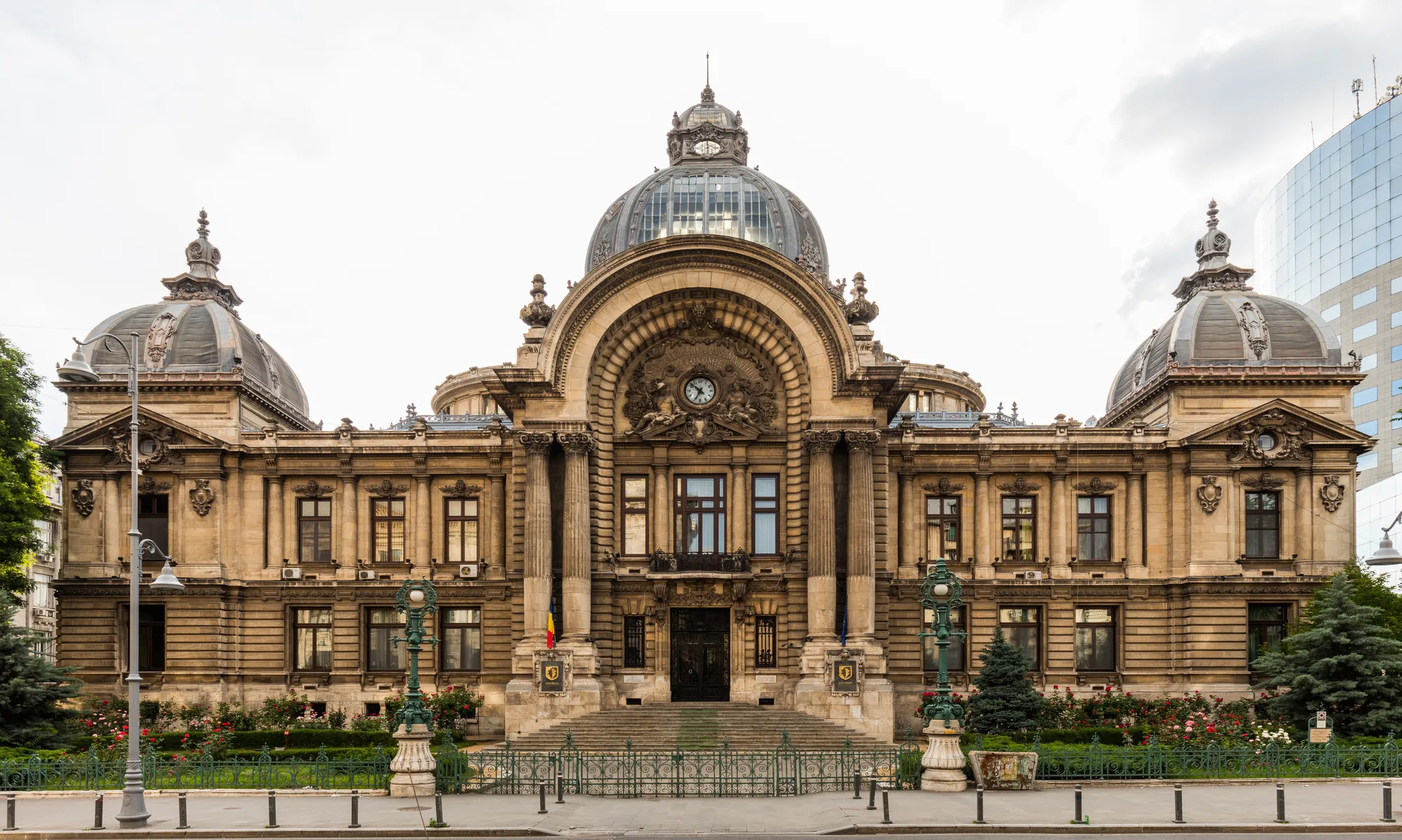
The round neoclassical Romanian Athenaeum concert hall in Bucharest, with its domed roof and Ionic-columned portico

Essential Guide

First Time in Bucharest

Everything you need to know for an unforgettable first visit to Romania's vibrant capital city

Reviewed June 2026 · Love Bucharest editorial team

Photo: Diego Delso · CC BY-SA 4.0 · Wikimedia Commons

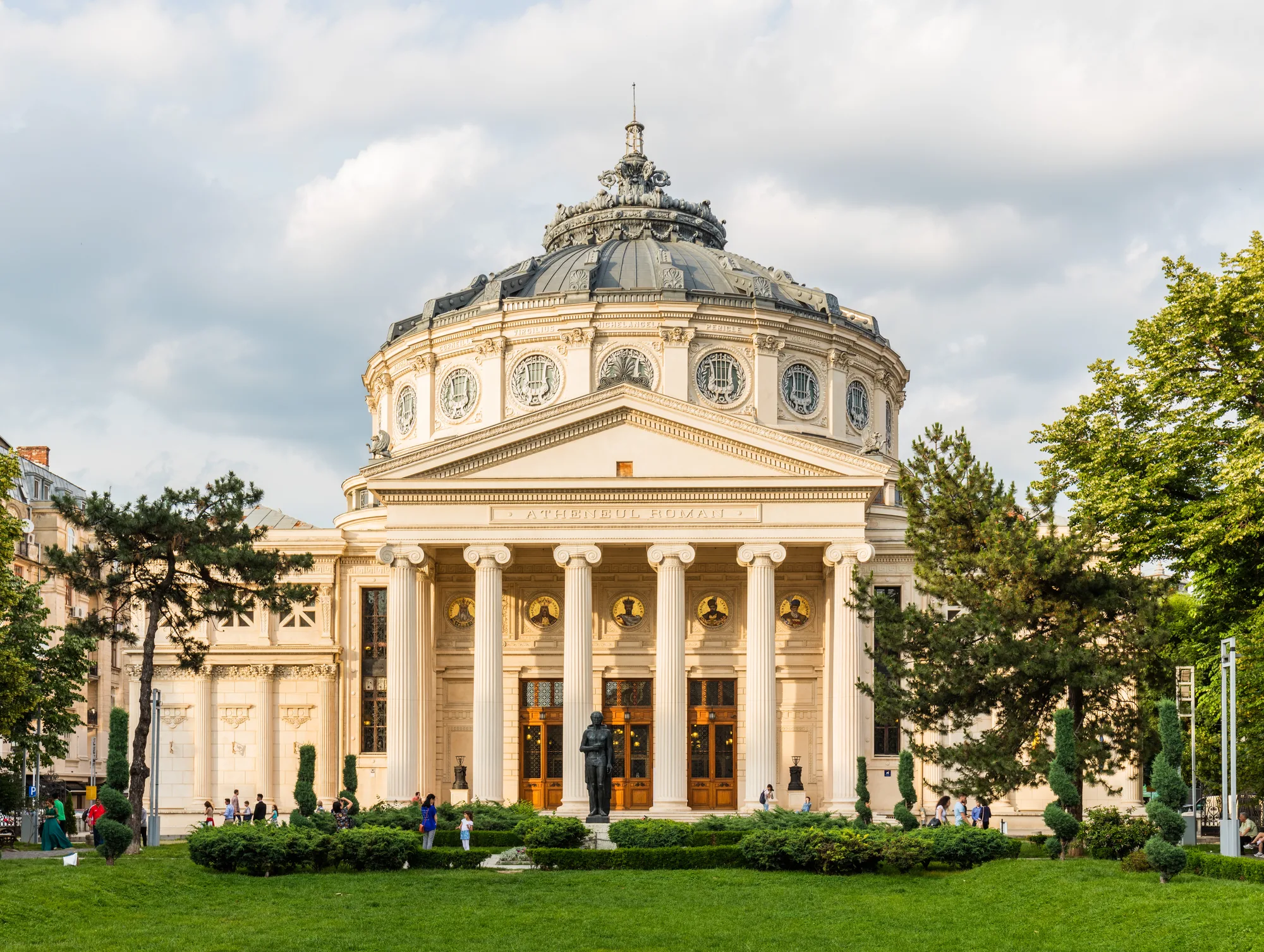
The colossal white classicist Palace of the Parliament (Casa Poporului) seen across a green park in Bucharest
The Palace of the Parliament — the colossal landmark that anchors central Bucharest.Photo: Nicolae Sfetcu · CC BY-SA 4.0 · Wikimedia Commons

Welcome to Bucharest

Bucharest surprises first-time visitors. Behind the communist-era facades lie belle-époque boulevards, art-nouveau passages, and some of the largest urban parks in Europe. Romania's capital blends Eastern European grit with unexpected elegance — once nicknamed “Little Paris” for its architecture and its broad avenues — and it rewards travellers who look past the first impression with world-class museums, a fast-rising food scene, and genuinely excellent value.

This guide is built for a confident first visit. It covers the top must-see sights and how long each one really takes, the practical essentials (money, transport, safety, language), where to base yourself, and the kind of insider detail — booking the Palace of the Parliament tour, paying in lei rather than euro, treating the parks as highlights — that separates a smooth trip from a frustrating one. Everything below is oriented around the historic centre, which is far more walkable than newcomers expect.

A few things to fix in your mind before you arrive: Romania uses the leu (RON), not the euro; cards work almost everywhere but carry a little cash for tips; book the Parliament tour ahead and bring photo ID; and the comfortable months are spring (April–May) and early autumn (September–October). Prices below are planning ranges in lei and can shift, so we link the official sources at the foot of the page for the volatile ones.
Top 5 Must-See Attractions

These five sights give a first-timer the full range of Bucharest in a couple of days: a colossal monument, a cobbled old quarter, a grand boulevard, and two beloved parks. Each entry notes roughly how long to set aside and one insider tip to make the visit smoother.

Palace of Parliament

2-3 hours including tour

Why visit: The world's second-largest administrative building after the Pentagon - a colossal monument to communist-era ambition.

Insider Tip

Book tickets online in advance. Bring ID (required for entry). English tours available.

Old Town (Lipscani)

Half day minimum

Why visit: The historic heart of Bucharest with cobblestone streets, beautiful architecture, hundreds of cafes, bars, and restaurants.

Insider Tip

Explore early morning for photography, return evening for nightlife. Don't miss Pasajul Macca-Vilacrosse.

Calea Victoriei

2-3 hours for walk

Why visit: Bucharest's grand 2.7km boulevard showcasing belle époque architecture, museums, and the Romanian Athenaeum.

Insider Tip

Walk from University Square to Revolution Square. Stop for coffee at Casa Capșa, a historic cafe since 1852.

Herăstrău Park & Village Museum

Half day

Why visit: Europe's largest urban park (187 hectares) with an exceptional open-air museum featuring 300+ traditional Romanian buildings.

Insider Tip

Village Museum requires 2-3 hours. Rent bikes or boats. Best visited spring through autumn.

Cismigiu Gardens

1-2 hours

Why visit: Bucharest's oldest and most romantic park (since 1854), perfect for peaceful strolls or boat rides.

Insider Tip

Rent a boat in summer or ice skate in winter. The island restaurant is charming.

Essential Practical Tips

How Long to Stay

3 days is the sweet spot for first-timers. 4 days feels complete if you want a Therme afternoon or a simple day trip without rushing.

Best Time to Visit

Spring (April-May) or autumn (September-October) offer mild weather and fewer crowds. Summer is vibrant but hot. Winter brings festive Christmas markets.

Where to Stay

Old Town or Unirii area for first-timers - walkable to major sights. Calea Victoriei area for quieter elegance. Avoid the very center of Old Town if noise-sensitive.

Getting Around

Walk the center, use the metro for longer jumps, and use rideshare/taxis for late nights or luggage-heavy transfers. Keep ticketing simple and rely on current station signage for the latest options.

Budget Expectations

Bucharest is very affordable and uses the leu (RON), not the euro. Mid-range restaurant mains run roughly 50-120 lei, casual plates around 35-45 lei, and most museum tickets only 10-15 lei. A comfortable daily budget excluding accommodation is modest by Western European standards. Carry a little cash for tips and small vendors, even though cards work almost everywhere.

Language

Romanian is the official language. English is widely spoken in tourist areas, hotels, and restaurants, especially among younger people.

Do's and Don'ts

Do

  • Try traditional Romanian food - sarmale, mici, cozonac
  • Book Palace of Parliament tours in advance
  • Bring ID - required for some attractions
  • Tip 10% in restaurants and cafes
  • Explore beyond the Old Town to see authentic Bucharest
  • Visit museums early (many close on Mondays)

Don't

  • Exchange money at airport - rates are poor
  • Expect everyone to speak English outside tourist areas
  • Skip the parks - they're highlights, not afterthoughts
  • Overpay for taxis - use Uber/Bolt instead
  • Miss the Unirii Square fountains (world's longest choreographed system)
  • Judge the city by communist-era facades - look deeper

Where to Stay

For a first visit, a central base is the single best decision you can make: it keeps the historic core walkable and saves time on every day of the trip. The Old Town and Universitate put you closest to the sights and the nightlife, Calea Victoriei and Unirii trade a little buzz for elegance and calm, and Dorobanți offers a more local, residential feel for travellers who want excellent dining over being on top of the landmarks. The three areas below cover the most reliable first-timer choices.

Old Town (Lipscani)

First-timers who want nightlife and walkable sights

Pros: Everything nearby, restaurants, bars, central

Cons: Noisy at night, touristy, can feel crowded

Unirii / Calea Victoriei

First-timers wanting quieter base near attractions

Pros: Close to sights, elegant, less noisy than Old Town

Cons: Fewer dining options than Old Town

Dorobanti

Travelers wanting upscale, local atmosphere

Pros: Sophisticated, excellent dining, safe, local feel

Cons: Farther from main sights, more expensive

Don't Miss These Hidden Gems

Pasajul Macca-Vilacrosse - Yellow glass covered passage
Carturesti Carusel - Stunning bookstore in restored building
Stavropoleos Monastery - Peaceful 1724 courtyard oasis
Pura Vida Sky Bar - Incredible rooftop views (5th floor climb)
Delta Văcărești - Urban nature reserve with 100+ bird species
Therme București - Europe's largest thermal spa complex

Money, Safety, and Etiquette

On money: Romania uses the leu (RON, plural lei), not the euro, and you should plan to pay in lei everywhere. Cards — including contactless and phone wallets — are accepted in the vast majority of restaurants, shops, and museums, so you rarely need much cash. Withdraw a little from a bank ATM in town rather than the poor-rate counters at the airport, keep some small notes for tips and market stalls, and always decline dynamic currency conversion at the card terminal so you are billed in lei rather than a marked-up home-currency rate.

On safety: Bucharest is broadly safe for visitors, including in the central and Old Town areas after dark. The realistic risks are everyday city ones — pickpocketing on crowded transport and the occasional overcharging street taxi — so keep valuables secure, stay aware in busy spots, and order rides through Bolt or Uber rather than flagging an unknown cab late at night. Solo and first-time travellers generally find the centre comfortable and easy to navigate.

On etiquette: tipping around 10% in restaurants for good service is the norm, ideally in cash, and you can round up for cafés, bars, and taxis — but check the bill first, as some places already add a service charge. Romanians are generally warm and helpful; a few basic phrases (bună ziua for hello, mulțumesc for thank you, vă rog for please) go a long way, even though English is widely spoken in tourist areas and among younger people. Dress is relaxed for sightseeing, but cover shoulders and knees when visiting churches and monasteries such as Stavropoleos.

Getting Around Bucharest

For a first visit, the simplest approach is to walk the historic centre and use the metro, surface transport, or a rideshare for the longer hops. Here is how each option works, with current planning prices in lei.

Walk the historic centre

Bucharest's core is far more walkable than first-timers expect: the Old Town (Lipscani), Calea Victoriei, University Square, and Cișmigiu Gardens are all within a 20–25 minute stroll of each other. For your first day or two, walking is genuinely the best way to get a feel for the city — comfortable shoes matter more than any transit pass.

The metro (Metrorex)

The four-line metro (M1–M4) is the quick way to cover the longer distances — out to Herăstrău and the Village Museum, or to the Palace of the Parliament. Travel is on a rechargeable card; a single journey is around 7 lei (raised from ~5 lei in May 2026), so check Metrorex for the live price. Trains run roughly 05:00 to 23:00 daily.

Buses, trams and trolleybuses (STB)

Surface transport runs on the separate "Card Activ" (the card itself costs about 3.70 lei and is reloadable). A single 90-minute trip with unlimited surface transfers has been around 3 lei, and a 24-hour all-surface pass about 8 lei. Note that STB and the metro use separate ticketing systems, so a surface ticket does not cover the metro.

Rideshare and taxis

Bolt and Uber operate widely, are inexpensive, and are the easiest way to avoid the small number of overcharging street taxis. They are ideal for late nights, luggage-heavy transfers, and getting to and from the airport. If you do take a street taxi, check the per-kilometre rate posted on the door before getting in.

From the airport

Henri Coandă (Otopeni, OTP) sits north of the city. The cheapest routes into the centre are express bus 100, which runs around the clock for roughly 3 lei and stops at Piața Victoriei, Piața Romană, and Piața Unirii, or the airport train to Gara de Nord for about 6 lei. A Bolt, Uber, or app-ordered taxi is pricier but convenient with luggage.

Day trips by train

When you are ready to leave the city, direct CFR trains from Gara de Nord reach Sinaia (for Peleș Castle) in about 1h30 and Brașov in around 2h15, with frequent departures. Buy tickets on the official CFR site or at the station. These are the easiest, most scenic escapes for a first visit to Romania.

What a First Visit Costs

Bucharest is one of Europe's best-value capitals, which is part of why it makes such a rewarding first trip. Sightseeing is inexpensive: most museum tickets are around 10–15 lei, the Palace of the Parliament standard tour is roughly 60 lei, the Dimitrie Gusti Village Museum is about 10 lei, and a self-guided daytime visit to the Romanian Athenaeum is around 15 lei when the schedule allows. Transport barely registers — a metro ride is around 7 lei (raised from ~5 lei on 1 May 2026, so check Metrorex), and a 24-hour all-surface pass is about 8 lei.

Food is where you set your own budget. Casual neighbourhood plates run about 35–45 lei, mid-range restaurant mains roughly 50–120 lei, and a full starter-main-dessert meal lands around 150–200 lei per person before drinks; fine-dining tasting menus start higher. Coffee, pastries, and Romanian wine are all inexpensive, so the relaxed café culture that suits the city is also kind to your wallet. Tip about 10% in restaurants for good service, ideally in cash, and check whether a service charge is already on the bill.

Accommodation is the biggest variable and depends on season and area; a central base near the Old Town, Universitate, or Calea Victoriei is worth a small premium for the walking time it saves. Pay by card where you can, withdraw a little cash from a bank ATM in town rather than the airport, and always decline dynamic currency conversion so you are charged in lei rather than a marked-up euro rate.

Frequently asked questions

How many days do I need for a first visit to Bucharest?

Three days is the sweet spot for first-timers — enough for the Old Town, Calea Victoriei, the parks, and the Palace of the Parliament without rushing. Four days adds breathing room for a Therme afternoon or a single day trip to Peleș, Bran, or Brașov. Two days works for a focused first taste if you keep one anchor sight per day.

What currency does Romania use — can I pay in euros?

Romania uses the leu (RON / "lei"), not the euro, and euros are generally not accepted for everyday payments. Cards, including contactless and phone wallets, work almost everywhere; carry a little cash for tips, markets, and small cafés. Avoid airport exchange counters and decline dynamic currency conversion so you are charged in lei.

Is Bucharest safe for tourists, including at night?

Bucharest is broadly safe for visitors, including the central and Old Town areas after dark. Apply normal big-city sense: watch for pickpockets on crowded transport, keep valuables secure, and order a taxi through an app (Bolt or Uber) rather than flagging a random street cab late at night.

Do I need to book the Palace of the Parliament tour in advance?

Yes. The Palace is the world's heaviest building and is only visited on a guided tour (the standard route is around 60 lei). Weekend and peak-season slots sell out, so reserve through the official visit site, choose your route, and bring a government-issued photo ID — it is a working parliament and ID is checked at security.

Is English widely spoken in Bucharest?

Yes, especially among younger people and in hotels, restaurants, and tourist areas, where English is common. Outside the centre it is less universal, so a few basic Romanian phrases (bună ziua for hello, mulțumesc for thank you) are appreciated. Menus and signage in tourist areas are usually available in English.

When is the best time of year to visit Bucharest?

Spring (April–May) and early autumn (September–October) offer the mildest weather and thinnest crowds — ideal for a walking-heavy first visit. Summer is vibrant but can be hot, and winter is cold but brings festive Christmas markets in Piața Constituției and the Old Town, plus atmospheric outdoor thermal pools at Therme.

How affordable is Bucharest?

Bucharest is one of Europe's best-value capitals. Museum tickets are often only 10–15 lei, the Palace tour is around 60 lei, metro rides are about 7 lei (up from ~5 lei in May 2026), and mid-range restaurant mains run roughly 50–120 lei. A comfortable daily budget excluding accommodation is modest by Western European standards. Tip about 10% in restaurants, in cash.

Do I need cash, or are cards enough?

Cards are accepted in the vast majority of restaurants, shops, and museums, so you can rely on them for most spending. Keep a small amount of lei for tips, market stalls, very small cafés, and the occasional cash-only ticket desk such as the Romanian Athenaeum. Withdraw cash from a bank ATM in town rather than at the airport.

What should a first-timer eat in Bucharest?

Build a classic Romanian meal: ciorbă (a sour soup) to start, sarmale (cabbage rolls) with mămăligă as the main, and papanași (fried cheese doughnuts) for dessert. Add mici (grilled minced-meat rolls) if you like grilled meat. The landmark Old Town rooms are touristy but cook the classics well — book ahead for the famous ones.

Ready to Explore?

Dive deeper into specific aspects of Bucharest with our detailed guides

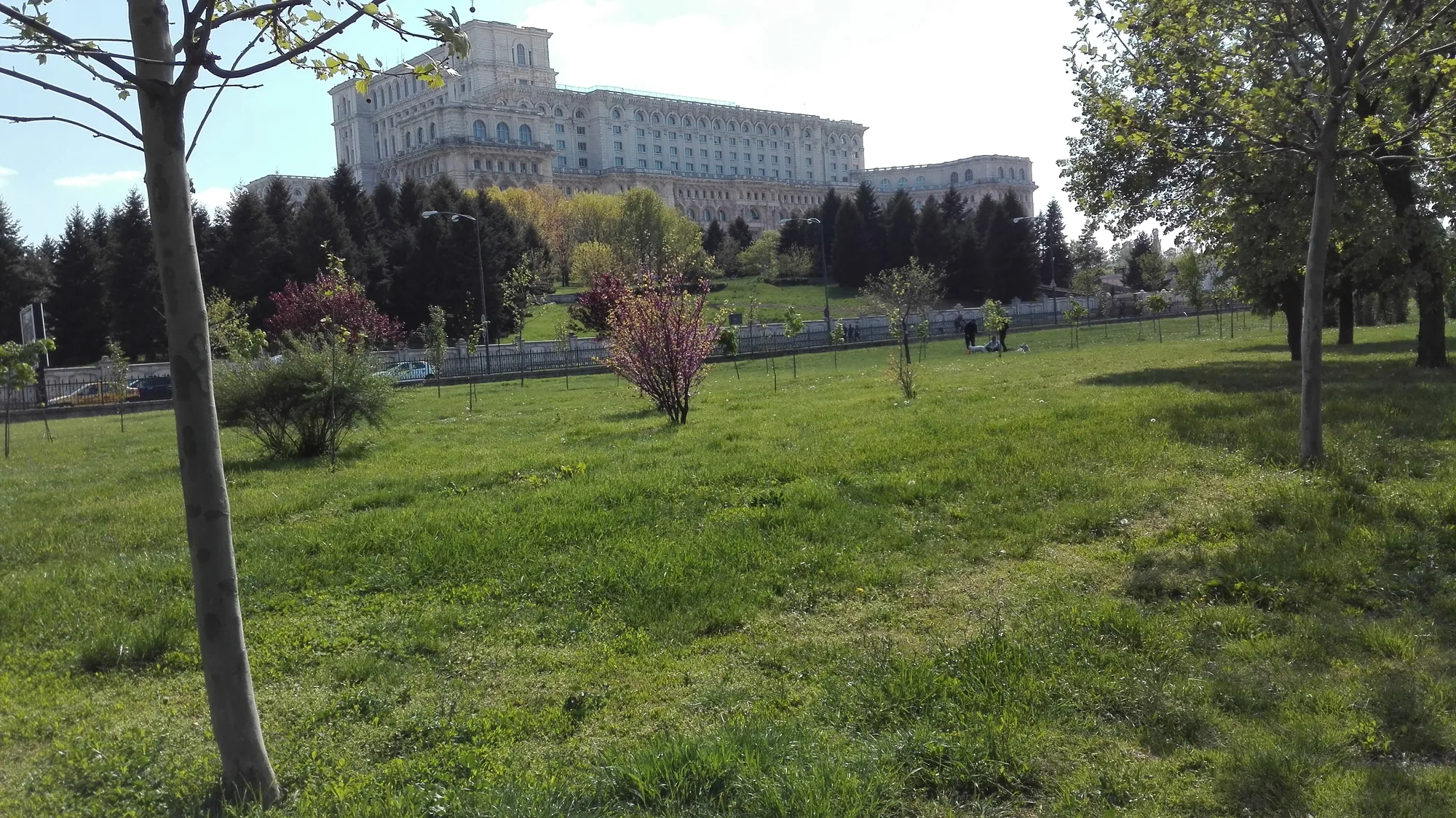
The Belle-Époque CEC Palace on Calea Victoriei in Bucharest, with its central glass-and-metal dome and corner cupolas
The CEC Palace on Calea Victoriei, one of Bucharest's grandest Belle-Époque facades.Photo: Diego Delso · CC BY-SA 4.0 · Wikimedia Commons