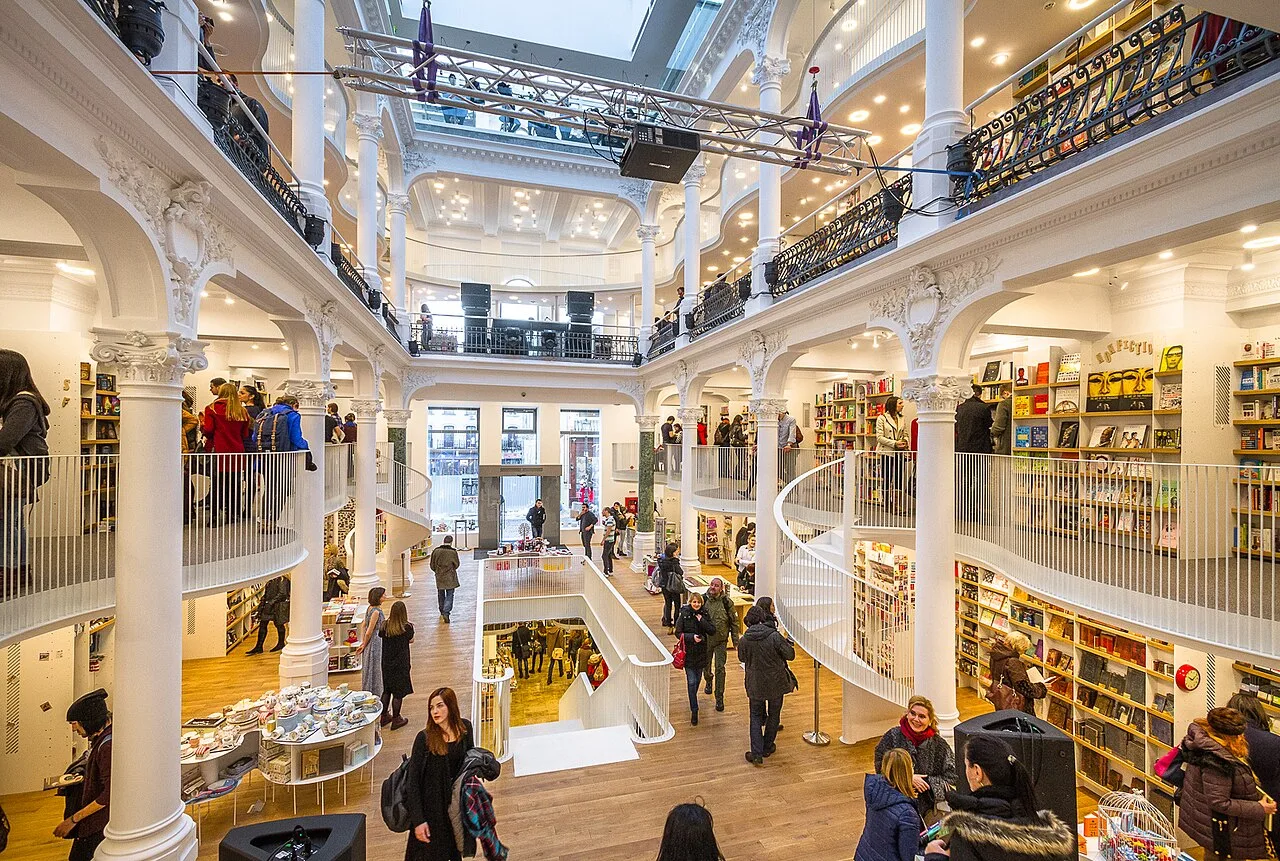
Calea Victoriei architecture walks (midday)
Aim for the warmest hours, then finish with a café stop or a museum interior nearby.
Calea Victoriei guide →
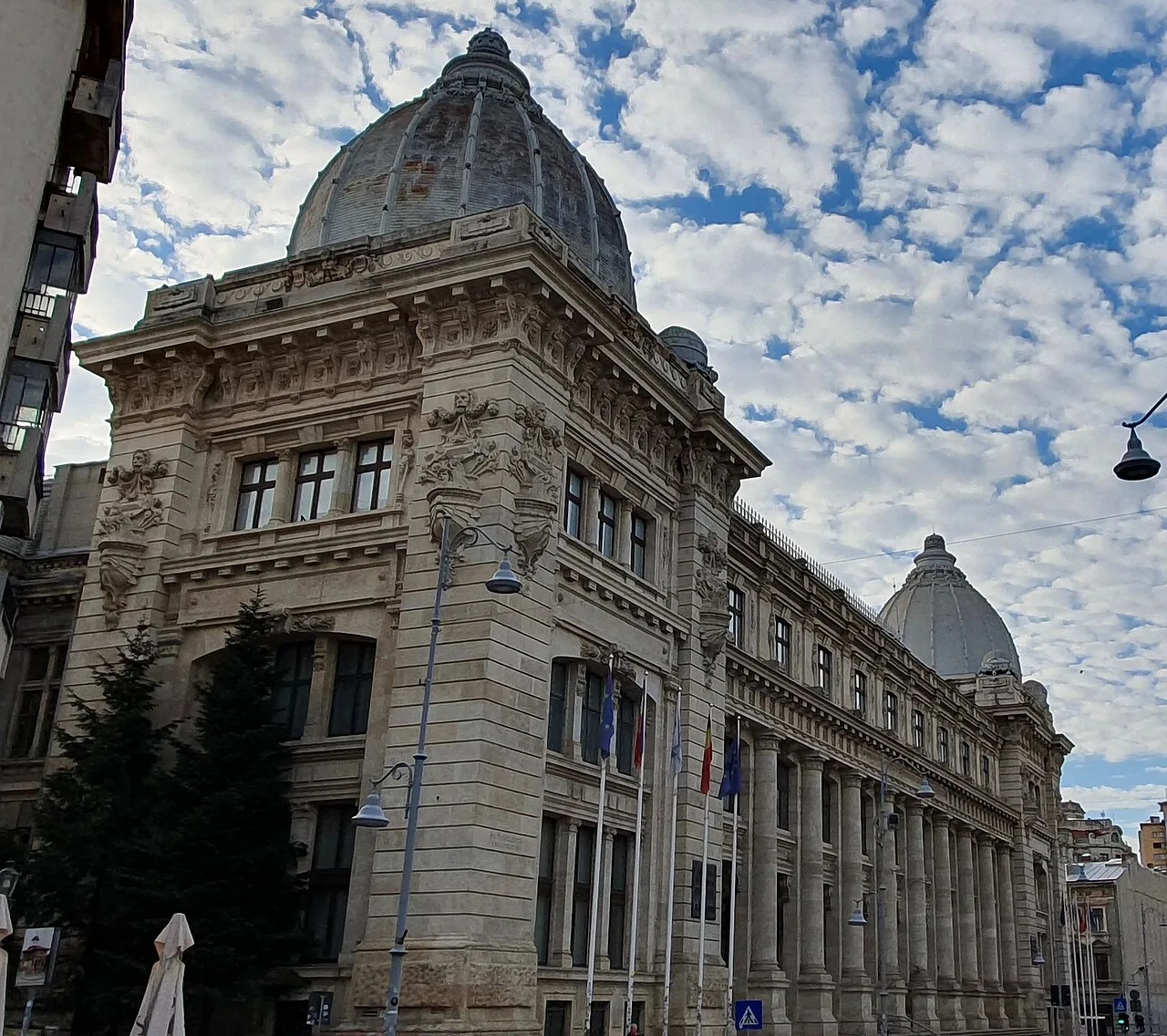
Think of March as a “two-version” month: one version for sunshine and parks, one version for rain and museums. When the plan is built around anchors (one key stop, one café block, one short walk), the trip feels effortless.
March is firmly a transition month. Daytime highs climb from roughly the high single digits early on toward the low teens by month's end (around 12°C on a typical late-March day), while nights stay cold and can still dip to around freezing. Expect big swings from one day to the next: a sunny, jacket-only afternoon can be followed by a raw, grey one, so layers you can add and shed are the key to a comfortable trip.
Days lengthen quickly in March, and the clocks go forward to summer time in late March (the last Sunday of the month across the EU), which suddenly pushes sunset much later in the evening. That extra evening light is one of the quiet pleasures of late March — golden-hour walks on Calea Victoriei become possible again after a long winter.
March is reasonably dry by city standards, but spring showers and the odd late snow flurry are both possible, and melting frost can leave pavements damp. Pack light rain protection and shoes that handle a wet cobblestone, and you will rarely be caught out.
Outside any festival weekend, March is shoulder season: the city is calm, museums and restaurants are easy to get into, and hotel rates sit below the spring-and-summer peak. It is a genuinely good-value time to visit if you do not mind building in indoor backups for the changeable weather.
Weather figures are typical long-term climate averages (climatestotravel.com / weather-and-climate.com), not a forecast — any given March can run warmer, colder or wetter.
March is the transition month: longer daylight, a hint of terrace season, and a mood that changes week to week.
A great March itinerary has an outdoor plan and an indoor backup plan that still feels exciting.
When the weather is mixed, indoor culture and long coffee breaks create the perfect rhythm.
Aim for the warmest hours, then finish with a café stop or a museum interior nearby.
Calea Victoriei guide →March can be wonderfully quiet. Do the passages and courtyards early, then shift indoors before the afternoon chill.
Old Town walking route →Choose one major museum and one smaller stop. Keep the pace slow and add a long lunch between.
Museum routes →When the sun appears, take it seriously: March sunshine makes parks feel like a reward.
Parks guide →If March turns cold or rainy, a thermal spa day keeps the trip feeling relaxed and indulgent.
Therme guide →The single most distinctive thing about visiting in early March. On 1 March, Romanians give each other a mărțișor: a small charm tied with intertwined red-and-white thread (red for vitality and love, white for purity), worn pinned to the coat through the first weeks of spring. Street stalls across the centre fill with them in the last days of February and the first of March. The custom is on UNESCO's list of intangible cultural heritage — buy one to join in.
If you arrive at the very start of the month you will catch the afterglow of Dragobete, the traditional Romanian day of love and the coming of spring, celebrated on 24 February. Older and more folk-rooted than Valentine's Day, it ties love to the moment "the birds are betrothed" — a lovely piece of cultural context for an early-spring trip.
For Romanians, 1 March marks the beginning of spring, and the city visibly shifts mood. The first blossoms appear in Cișmigiu Gardens and Herăstrău, café terraces begin tentatively reopening on the warmest days, and the long indoor season starts to ease — though it never fully lets go until April.
The Romanian Athenaeum's concert season is still in full swing, and the museums off Calea Victoriei and around Piața Victoriei remain the dependable plan for a cold or rainy March afternoon. Programmes are set per season, so check the schedule and book a concert ahead.
Note: seasonal opening hours and weekly schedules can change—verify details for anything time-sensitive.
Changeable and improving. Daytime highs rise from the high single digits early in the month to around 12°C by late March, while nights stay cold and can touch freezing. Sunny days alternate with grey, raw ones, and the occasional shower or late flurry is possible — pack layers and light rain protection.
Mărțișor is a beloved Romanian spring custom on 1 March: people give a small red-and-white-threaded charm to friends and loved ones, worn through early spring. In late February and early March, stalls selling them appear all over central Bucharest, so yes — if you visit then you will see it everywhere, and can join in by buying one.
It is a good-value shoulder-season month for travellers who want a calm city, easy museum access and the first signs of spring, and who do not mind unpredictable weather. Build flexible days with an indoor backup and you will enjoy it; if you want reliable terrace weather, May is the safer bet.
Some begin reopening on the warmest days, but terrace season does not truly start until April or May. Treat an outdoor coffee in March as a pleasant bonus rather than a plan, and keep a cosy indoor café in mind as the reliable option.
Romania moves to summer time on the last Sunday of March, along with the rest of the EU, shifting clocks forward one hour. The immediate payoff is noticeably later sunsets and more usable evening light for late-March visitors.
Layers above all — a warm mid-layer plus a windproof outer layer for cold mornings and evenings, lighter clothing for sunny afternoons, comfortable shoes that handle wet pavements, and light rain protection. A flexible wardrobe is what makes March comfortable.
Plenty: Bucharest's art, history and natural-history museums, the Palace of the Parliament tour, a concert at the Romanian Athenaeum, the Old Town's cafés and bookshops, or a half-day at the Therme București thermal spa just north of the city.