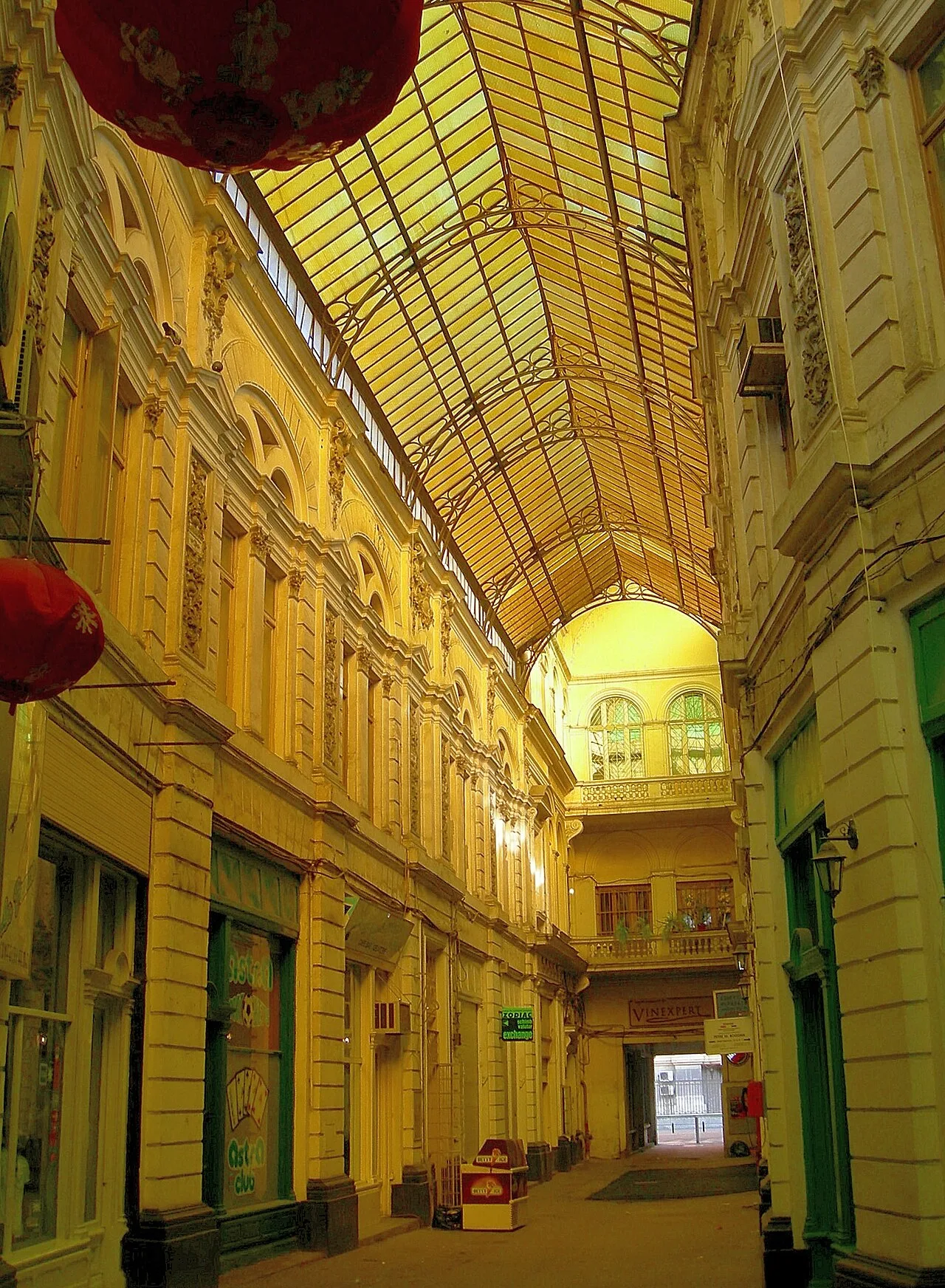
Old Town details (short, focused loop)
Go early for better light and fewer crowds, then retreat indoors for a long lunch or café stop.
Old Town guide →
Deep Winter Travel
Short scenic loops, long warm interiors, and one perfect spa afternoon.
Reviewed January 2026 · Love Bucharest editorial team
Photo: Mircea Solomiea / Unsplash
Plan short outdoor loops for daylight, then build the day around museums, cafés, and beautiful interiors. A winter Bucharest trip feels luxurious when the schedule leaves space to warm up, slow down, and enjoy the atmosphere.
January is statistically Bucharest's coldest month. Daytime highs typically sit around 2–3°C and overnight lows around -5°C, with cold snaps that can dip several degrees below freezing — so dress for hard winter rather than mild city cold. A continental climate means the difference between a sunny still day and a windy grey one is large; wind-chill is what usually makes the city feel colder than the number on the forecast.
Days are short — roughly nine hours of daylight, with the sun up around 7:45 and down close to 5pm early in the month. Sunshine is scarce (January averages only a couple of bright hours a day), so plan any outdoor highlight for the middle of the day and treat golden hour as an early-afternoon event rather than a late one.
January usually brings the year's heaviest snow, though it tends to come in spells rather than lying deep for weeks. Expect a mix of fresh snow, slush and refrozen patches on the cobbles, especially in the Old Town and on side streets that are cleared more slowly than the main boulevards. Shoes with grip make a genuine difference.
After the Christmas-and-New-Year peak, the first half of January is one of the quietest, best-value windows of the year. The festive markets have closed, tour groups thin out, museums and restaurants are calm, and hotel rates are typically at their lowest. The trade-off is the weather — but for an atmospheric, uncrowded city break it is hard to beat.
Weather figures are typical long-term climate averages (climatestotravel.com / weather-and-climate.com), not a forecast — any given January can run warmer, colder or snowier.
January is not a “walk all day” month. The best plan alternates short outdoor loops with beautiful indoor stops.
A long café block is not a break from sightseeing—it is part of the winter experience in the city.
A thermal spa afternoon feels extra satisfying in deep winter, especially after museum days and cold walks.
Go early for better light and fewer crowds, then retreat indoors for a long lunch or café stop.
Old Town guide →January evenings are made for concert-hall energy, warm lighting, and a slower pace.
Athenaeum tips →Winter is peak museum season. Pair a major museum with one smaller stop and a café between.
Museum routes →Plan an afternoon session and keep the day light: spa time works best without a packed schedule.
Therme planning →Choose the sunniest part of the day for a boulevard walk, then finish with hot drinks and dessert.
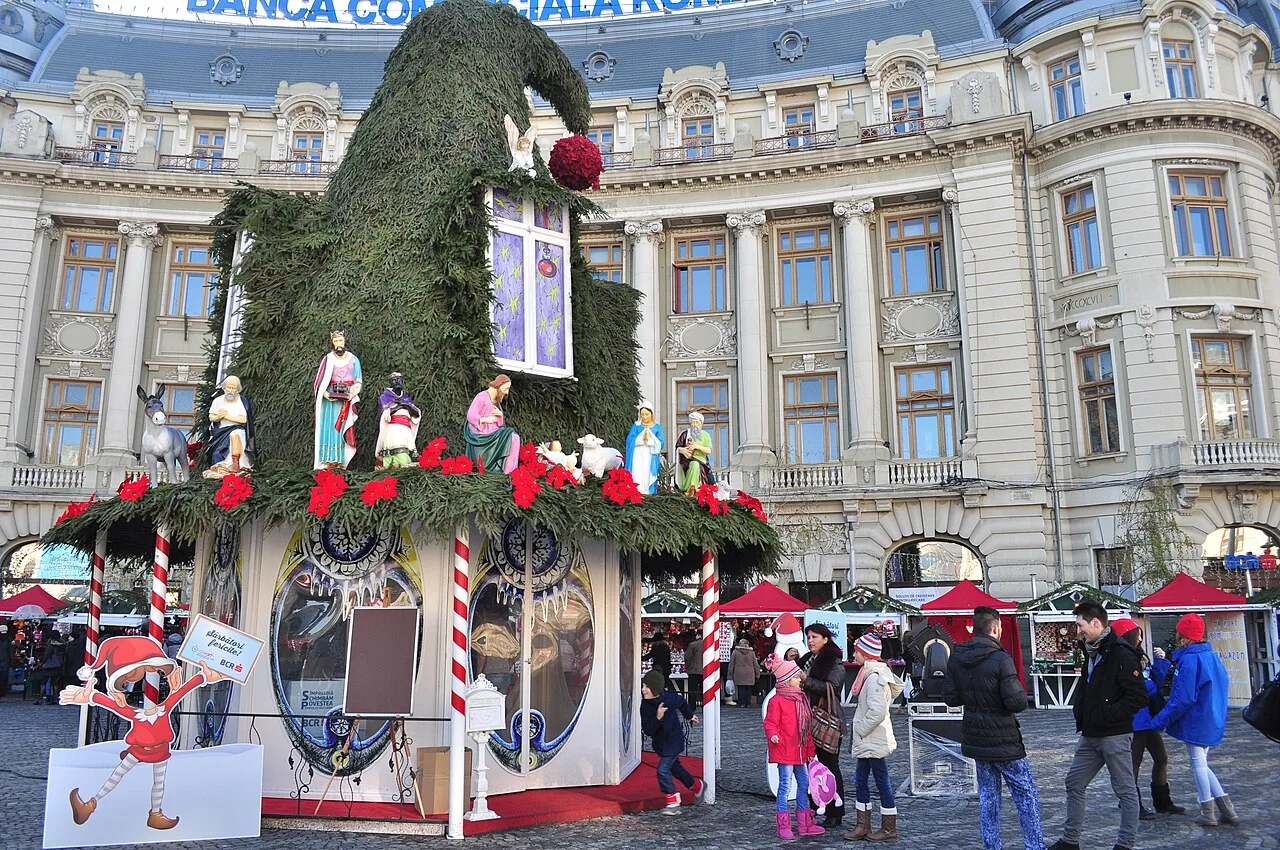
Boulevard guide →The Christmas market in Piața Constituției and the Old Town lights usually wrap up in the first days of January, so arrive in the first week if catching the tail of the festive season matters to you. After that the city settles into a quiet, local winter rhythm — which is exactly its charm in January.
The Romanian Orthodox feast of the Epiphany on 6 January, followed by the feast of St John on the 7th, is widely observed. You may see church services and the blessing of the waters; many churches are open to visitors (dress modestly and leave a small donation if you wish). Exact arrangements vary by parish — treat it as cultural colour rather than a ticketed event.
Winter is peak season for the George Enescu Philharmonic at the Romanian Athenaeum. A concert in the domed, gilded hall is one of the most rewarding ways to spend a January evening; programmes are published per season, so check the schedule and book ahead.
January is when Bucharest's museums come into their own as the obvious daytime plan. The art, history and natural-history collections off Calea Victoriei and around Piața Victoriei are warm, substantial and rarely busy this month — perfect for a cold or snowy afternoon.
Note: opening times and seasonal programming can change year to year—double-check official schedules for events, concerts, and winter markets.
January is typically the coldest month. Daytime highs are usually around 2–3°C and nights around -5°C, with colder snaps possible. It is a properly cold, continental winter, so pack for sub-zero evenings and wind-chill rather than mild city weather.
Often, yes — January usually sees the heaviest snowfall of the year, though it tends to arrive in spells rather than lying deep all month. Expect a mix of fresh snow, slush and icy patches on the cobblestones, so bring shoes with good grip.
It is excellent for a quiet, atmospheric and good-value city break built around museums, cafés, concerts and a Therme spa day. It is not the month for long outdoor sightseeing. If you want festive markets and lights, come in December instead — most close in early January.
Usually only for the first few days. Bucharest's main market in Piața Constituției and the Old Town lights typically run to around late December or very early January, with exact dates set each year. Check the current schedule before you book if the markets are a priority.
Warm layers, a windproof and ideally waterproof outer layer, a hat and gloves for evening walks, and footwear with traction for snow and slush. Daylight is short, so plan outdoor highlights around midday and keep cosy indoor anchors ready for the afternoon.
Plenty: the city's art, history and natural-history museums, the Palace of the Parliament tour, concerts at the Romanian Athenaeum, the Old Town's cafés and bookshops, and a half-day at Therme București, the large thermal spa complex just north of the city.
Very much so — a warm thermal-spa afternoon is one of the best things to do in deep winter, especially after a cold museum day. Therme runs long daily hours; pricing is time- and zone-based and changes often, so check the official price page before you go.