A couple chatting over coffee in a cozy specialty café

Bucharest Laptop Cafés

Work-Friendly Coffee Shops

A practical guide to working from cafés in Bucharest: where to go, when to go, and how to do it well.

Reviewed March 2026 · Love Bucharest editorial team

Photo: Toa Heftiba / Unsplash

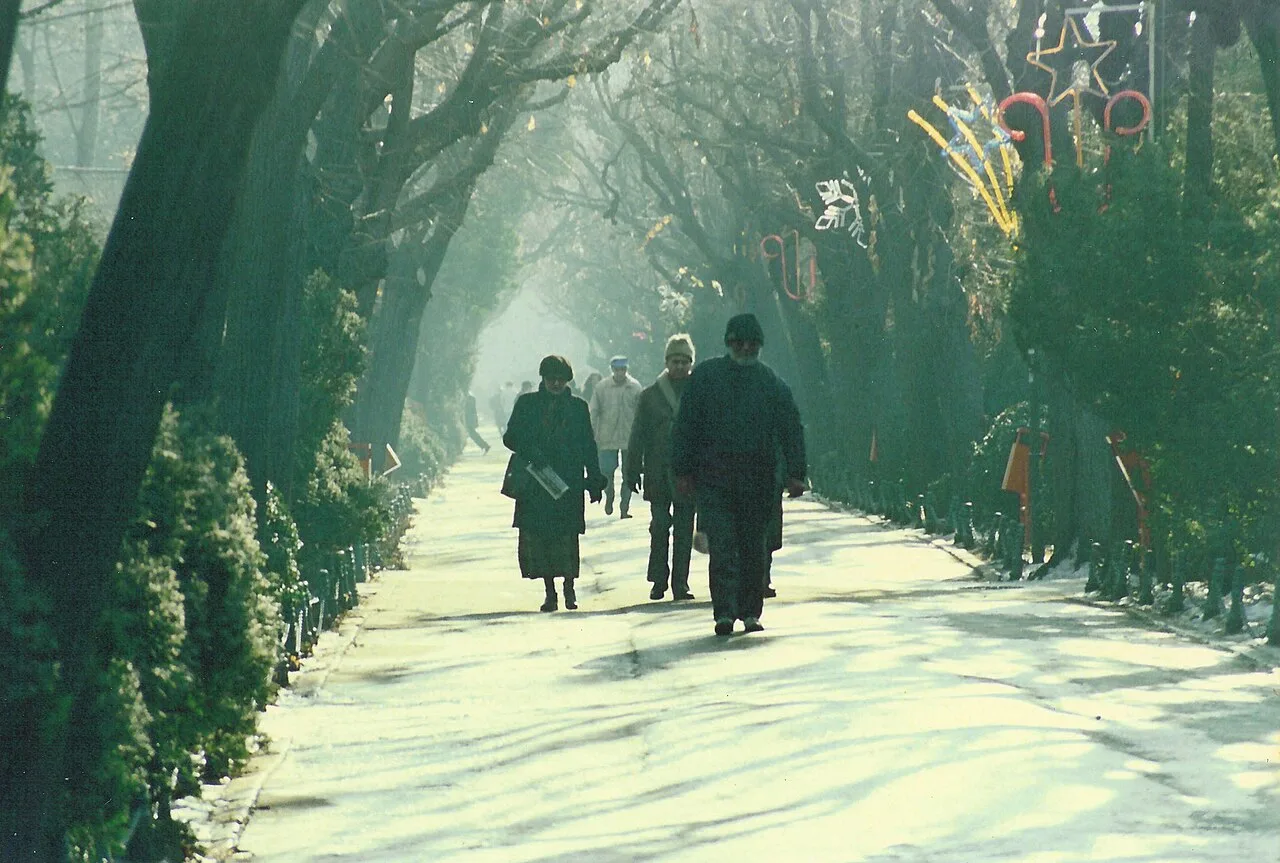
People walk down a misty, tree-lined promenade in Bucharest's Cișmigiu Gardens, framed by tall bare trees
A misty promenade through Cișmigiu Gardens.Photo: Joe Mabel · CC BY-SA 3.0 · Wikimedia Commons

The best work cafés are about timing, not just the menu

Bucharest is a quietly excellent city for working from cafés. It has a strong specialty-coffee culture, famously fast and cheap internet, and prices that make a half-day of laptop time feel almost free. Many rooms work beautifully for focused sessions — especially in the morning, before the social crowd arrives. This guide focuses on reliable, central options and a simple approach: short work blocks, good etiquette, and a backup plan for calls and busy days.

What working from a Bucharest café is actually like

The good news first: Romania has long had some of the fastest, cheapest broadband in Europe, so connectivity is rarely the problem. Add a mature specialty-coffee scene — roasteries, training labs and serious baristas — and you have cafés where the coffee is a genuine pleasure rather than a tax on the table you are borrowing. A flat white in the ~12–18 lei range buys you a comfortable hour, and nobody will rush you if you keep ordering.

The limits are the same as anywhere. Café Wi‑Fi is shared and can sag at peak times; power outlets are inconsistent and often nonexistent at the prettiest seats; and the smaller, design-led specialty rooms are cosy and echo-prone, which makes long video calls awkward for everyone. The fix is to match the café to the task: a big room like Beans & Dots for a real work block, a small specialty bar like STEAM or Origo for a short sprint over excellent coffee, and a hotel-lobby café or coworking space when calls and reliability matter most.

Timing does most of the work. Weekday mornings, soon after opening, are calm and productive; by late afternoon and on weekends the centre fills with brunch and catch-ups, and a couple of cafés (Origo among them) hand over to an evening cocktail crowd. Plan deep work early, save lighter tasks for later, keep your sessions to a respectful 60–120 minutes per stop, and pair a work block with a midday walk so the day never feels stuck indoors.

One more thing worth knowing: there is no fixed cover charge for sitting and working — you simply pay for what you order, and the unwritten rule is roughly one drink per hour if you are occupying a table. By Western-European standards that is almost nothing, which is part of why Bucharest is so easy as a remote-work base. Tip when the service is good (rounding up is enough), and pay in lei rather than accepting a marked-up euro conversion. If you settle into a café you like, it is perfectly normal to come back the next morning and treat it as your base for the trip.

Recommended coffee shops to work from

Beans & Dots (near Cișmigiu)

Large, design-led, genuinely spacious

Best for: A solid 60–120 minute work block or a video call

Work tip

The roomiest of the central specialty cafés, set in the historic Universul building — the best bet when you need elbow room and a table you can actually settle at.

STEAM Coffee Shop (central)

Small, friendly, specialty-first

Best for: Short focused sprints with excellent coffee

Work tip

A favourite with remote workers, pouring Origo-roasted beans. It is compact, so it suits a 45–90 minute sprint rather than an all-day base — and a single seat over a big table.

M60 (Piața Amzei)

Bright, airy, work-friendly energy

Best for: Morning deep work plus a brunch break

Work tip

Arrive earlier for the best seats; the light-filled room is great for focus in the morning, then turns more social later in the day.

Origo (Old Town, specialty classic)

Espresso-first, busy at peak times

Best for: Quick work sprints plus the city's benchmark coffee

Work tip

The original third-wave shop is superb for the coffee but small and busy; treat it as a short, high-quality stop and keep calls minimal. It flips to a cocktail bar in the evening.

A quiet neighbourhood café (Cotroceni / Dorobanți style)

Local, calmer, less tourist flow

Best for: Longer sessions with fewer distractions

Work tip

Step out of the centre into a residential pocket and choose a café with a daytime-calm feel rather than nightlife energy — far more sustainable for several hours of work.

A hotel-lobby café (central)

Predictable seating and calmer sound

Best for: Calls, meetings, and dependable comfort

Work tip

The most reliable option for back-to-back calls: stable seating, quieter acoustics, and a backup when the regular cafés are full or too loud.

Work-friendliness can change by time of day, season, and seating. Confirm Wi‑Fi/outlet availability on arrival and adjust expectations accordingly.

Timing and setup (the “how” that makes it work)

Best hours for work

Most cafés are calmest in the morning. Late afternoons and weekends often shift to social mode.

How long to stay

A great café work rhythm is 60–120 minutes per stop. Move after that and the day feels better (and more respectful).

Calls and meetings

Bucharest cafés can be cozy and echo-prone. For longer calls, choose larger spaces or hotel-lobby cafés.

Outlets and seating reality

Outlets are not guaranteed. Bring a charged laptop, a compact power bank, and a flexible mindset.

Café work etiquette (simple rules that keep it pleasant)

Buy at least one drink per hour if staying a long time.
Avoid taking the biggest table with a single laptop.
Use headphones and keep calls short (or step outside).
If the café is full, wrap up sooner — peak times are not “all-day office” hours.
Tip when service is good; it goes a long way.

Better than cafés (when productivity matters most)

Coworking spaces

If a stable desk, phone calls, and strong Wi‑Fi matter, a coworking day pass can be more productive than café-hopping.

Libraries and cultural spaces

For reading and quiet focus, some public spaces can work well — but check rules and hours in advance.

Hotel cafés and lounges

The most consistent option for calls, meetings, and reliable seating when the city is busy.

Frequently asked questions

Is the Wi‑Fi good enough to work in Bucharest cafés?

Bucharest is well known for fast, cheap internet, and most specialty cafés have reliable Wi‑Fi. That said, café Wi‑Fi is shared and can dip at peak times. For an important call or upload, a hotel-lobby café or a coworking day pass is the safer bet.

Are there power outlets at the tables?

Outlets are not guaranteed and vary a lot by café and by seat. Larger rooms like Beans & Dots tend to have more; small specialty bars may have very few. Come with a charged laptop and a compact power bank rather than relying on finding a socket.

How much does it cost to work from a café for a few hours?

Just the price of what you order. Specialty coffee usually runs ~12–18 lei for a flat white, with espresso cheaper. The unspoken rule is roughly one drink per hour if you are taking up a table — cheap by Western-European standards, and the polite way to stay.

When are cafés quietest for working?

Mornings on weekdays are the calmest, especially soon after opening. Late afternoons and weekends shift to a social, brunch-and-catch-up mood, so plan deep work earlier and save lighter tasks for later.

Can I take video calls in a Bucharest café?

Short calls are fine with headphones, but many specialty rooms are small and echo-prone, so a long meeting can be disruptive to others. For sustained calls, choose a larger space, a hotel-lobby café, or a coworking space with call booths.

Café or coworking space — which is better?

A café is perfect for a couple of focused hours over good coffee. If you need a guaranteed desk, strong dedicated Wi‑Fi and a place for calls all day, a coworking day pass is more productive and usually still inexpensive in Bucharest.

Build your day around a great walk

A café work block pairs perfectly with a midday walk through Bucharest’s center — the best way to avoid the “stuck indoors” feeling.

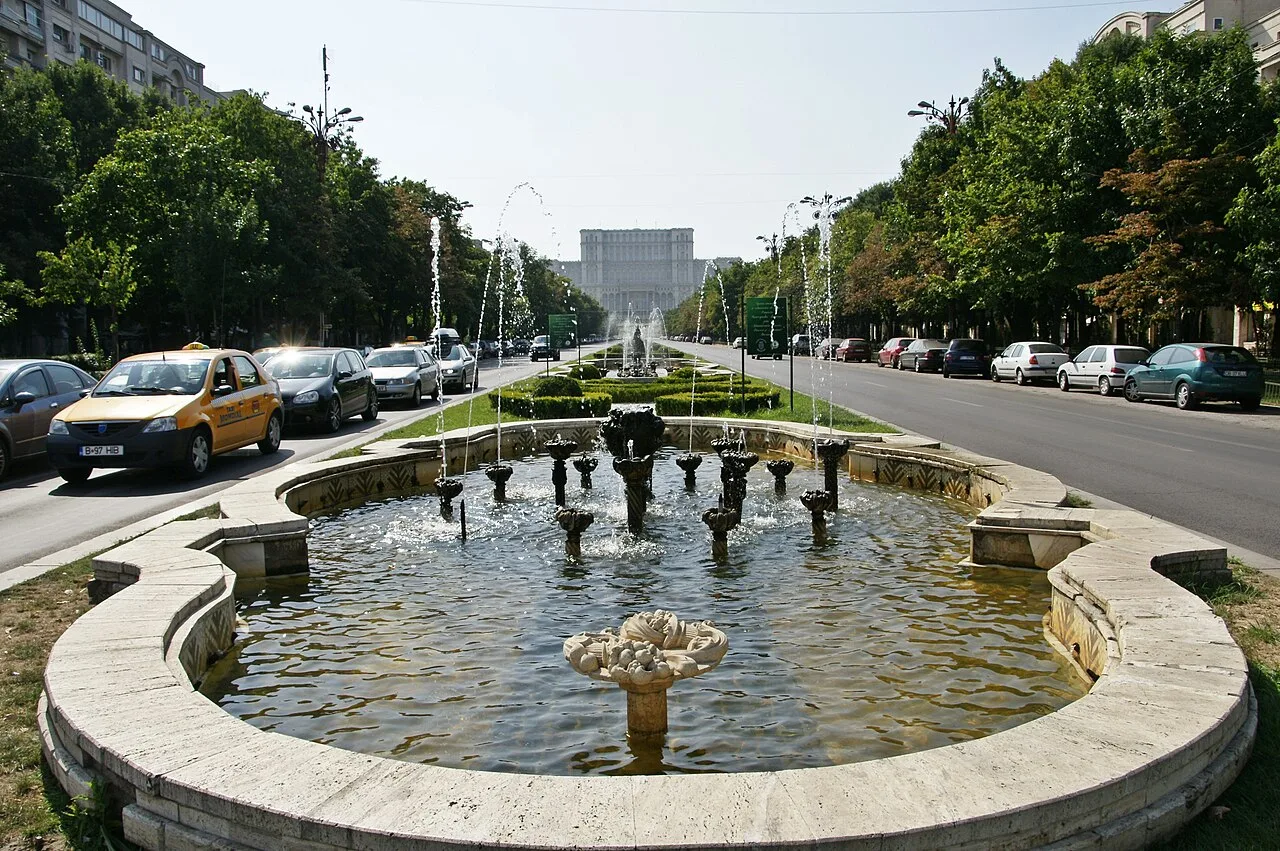
The long fountain axis down Bulevardul Unirii in Bucharest, leading toward the Palace of the Parliament
The fountains of Bulevardul Unirii running toward the Palace of the Parliament.Photo: Jaimrsilva · CC BY-SA 4.0 · Wikimedia Commons