Bucharest Open-Air Museum
Village Museum (Muzeul Satului)
A half-day of Romanian culture in one of the city’s best settings — followed by a lakeside park walk.
Reviewed June 2026 · Love Bucharest editorial team
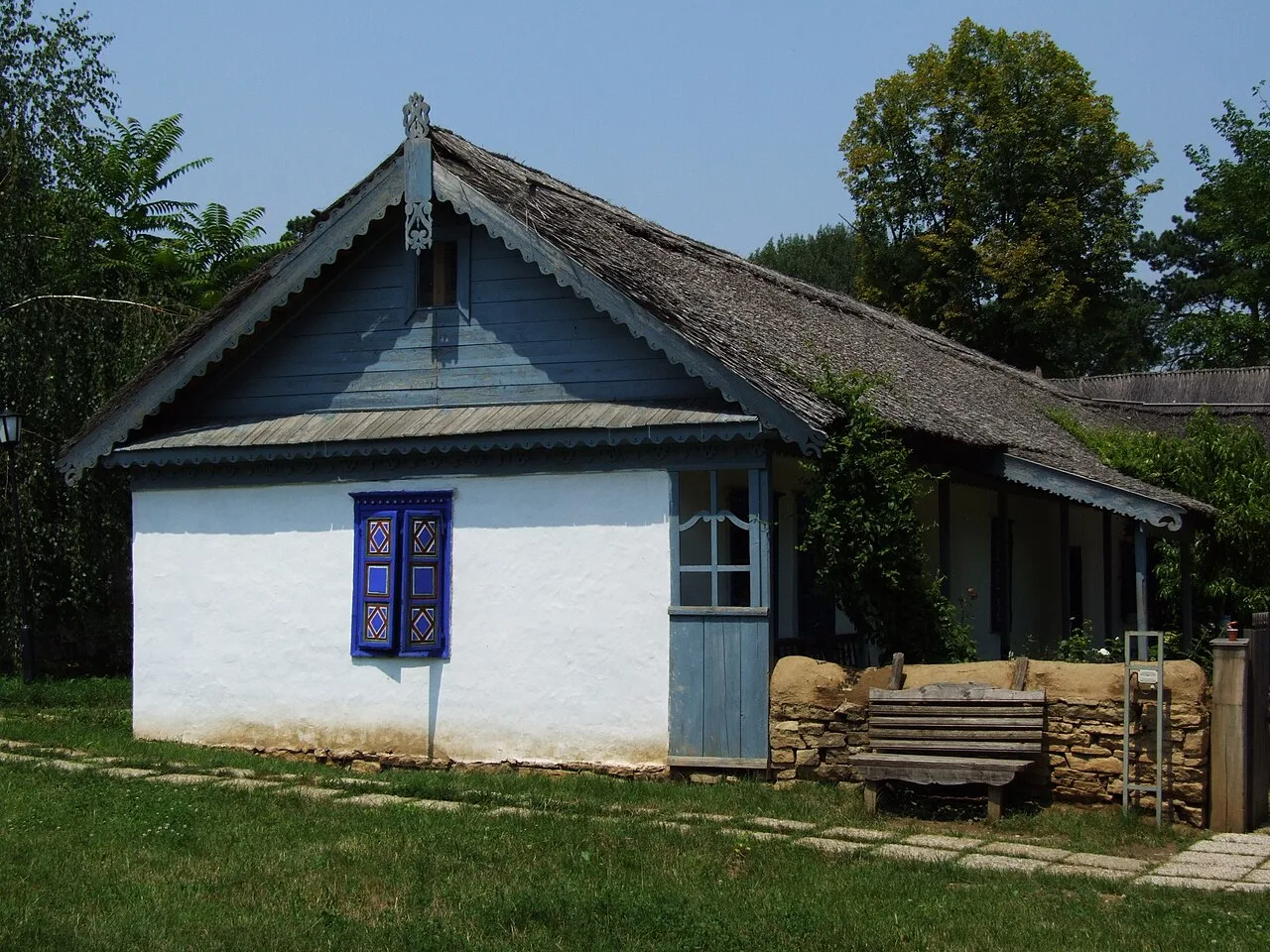
Photo: Pudelek (Marcin Szala) · CC BY-SA 3.0 · Wikimedia Commons
The most peaceful “must-do” museum in Bucharest
The Village Museum is one of those places that makes a trip feel richer without exhausting you. It is outdoors, walkable, and full of detail—traditional buildings gathered from across Romania and reassembled into a living landscape.
Note: hours and ticket rules can change by season. Use this page for planning strategy and confirm current details on your travel date (as of February 10, 2026).
Romania, gathered into one park
The Village Museum has a fascinating backstory — a 1930s sociology project that brought real village buildings to the capital. Here is what makes it more than a pretty walk.
Founded in 1936 by Dimitrie Gusti
The museum was created in 1936 by the sociologist Dimitrie Gusti, working with the ethnographer and museographer Henri H. Stahl and the artist Victor Ion Popa. It grew out of years of fieldwork by Gusti’s Bucharest School of Sociology, who surveyed villages across interwar Romania. Rather than display objects in cases, they brought whole buildings to the city — making it one of the earliest open-air museums of its kind in Europe.
Authentic buildings, moved house by house
The houses, churches, barns, windmills and workshops here are genuine structures, dismantled in their home villages and rebuilt on the Herăstrău lakeside. They span every major Romanian region, from Maramureș wooden churches to Oltenian and Danube-Delta dwellings, so a walk through the grounds is effectively a walk across the country’s rural traditions.
A living open-air museum
Spread across roughly 10–15 hectares on the shore of Herăstrău (King Michael I Park), the collection holds hundreds of buildings furnished as they would have been in daily use. Craft demonstrations, fairs and seasonal events run through the year, so the place feels lived-in rather than frozen — a calm, photogenic half-day that doubles as a crash course in Romanian folk culture.
It is Romania in one walk
Traditional houses, barns, churches, and village buildings from different regions — assembled into a living, open-air map of the country.
Perfect pace for a half-day
The museum rewards slow wandering. It is one of the best “not rushed” experiences in Bucharest.
The park pairing is ideal
Combine it with a lakeside walk in Herăstrău (King Michael I Park) and the day feels balanced and beautiful.
Quick facts
Where it is
Inside Herăstrău / King Michael I Park (north Bucharest).
How long to spend
2–3 hours for a relaxed visit (plus park time).
Best time to visit
Late morning or early afternoon, especially in warm seasons.
Best for
Culture lovers, photographers, families, and anyone who wants a calmer day.
What to see inside (highlights)
Regional houses and courtyards
Each area has its own architecture and details. The joy is in comparison: roof shapes, carved wood, and courtyard layouts.
Traditional churches
Wooden churches are often the emotional highlight — quiet, historic, and beautifully made.
Craft and everyday life details
Tools, fences, ovens, and village structures show how daily life worked — practical and deeply aesthetic.
Seasonal atmosphere
Spring and autumn are especially photogenic. In summer, shade and water make it a comfortable escape.
Planning tips (so it feels effortless)
Go with a simple route
Start at one end, do a full loop, then finish in the park. Wandering is great, but a loop prevents missing the best corners.
Dress for walking
You will be on outdoor paths. Comfortable shoes matter more than museum-goer outfits.
Bring water (especially in warm months)
The open-air layout means sun and walking. A simple bottle keeps the pace relaxed.
Check hours on your travel date
Opening hours can vary by season and special events. Confirm current hours before you build a fixed itinerary (as of February 10, 2026).
Sample half-day itineraries
Half-day plan (easy and elegant)
- →Late morning: Village Museum (2–3 hours)
- →Early afternoon: lakeside walk in the park
- →Coffee stop + long lunch nearby
Family-friendly version
- →Museum loop with short breaks
- →Park time (playground / open space)
- →Early dinner and a calm evening
Photographer version
- →Go earlier for softer light and fewer crowds
- →Slow loop with intentional photo stops
- →Golden-hour park walk after
Combine it with these guides
Herăstrău / King Michael I Park
A lakeside loop is the perfect “after museum” decompression.
Park guide →Bucharest museums (indoor)
If the weather shifts, move the cultural plan indoors and keep the day easy.
Museums in one day →Photography spots
Pair the museum with a short photo route in the center on another day.
Photography guide →Frequently asked questions
How much is a ticket?
Adult admission is around 10 lei, with reduced rates for students and seniors and free entry for children under 7. Monday and Tuesday are usually a reduced-price, outdoor-only visit because the indoor exhibition halls are closed. Group guided tours can be booked separately. Prices change, so check the official site before you go.
What are the opening hours?
It is an open-air museum, broadly open daily from around 09:00 to 19:00, with shorter hours in winter and a last entry before closing. On Mondays and Tuesdays it is open outdoors only. Confirm the current hours for your travel date, as they shift with the season.
How do I get there?
The museum sits in the Herăstrău / King Michael I Park area on Kiseleff. The easiest route is metro M2 to Aviatorilor plus a short walk, or a bus along Șoseaua Kiseleff. A taxi or ride-share is straightforward too.
How long should I spend?
Allow 2–3 hours for a relaxed visit, plus extra time if you want to add a lakeside walk in the park. It rewards slow wandering rather than a quick lap, so it is one of the better “unrushed” experiences in Bucharest.
Is it good for children and families?
Yes — it is outdoors, walkable and full of things to look at, with open space to roam. Bring water and comfortable shoes, and plan a couple of breaks; the park next door has playgrounds and lakeside paths for downtime.
Is it worth visiting in winter?
It can be atmospheric under snow, but indoor halls may be closed on Mondays and Tuesdays and the outdoor paths get cold and muddy. Spring and autumn are the most photogenic; in summer the shade and lakeside breeze make it comfortable.
Can I take photographs?
Yes, the grounds are very photogenic and personal photography is fine. Soft morning or late-afternoon light flatters the wooden architecture best. Be respectful around any working churches or craft demonstrations.
What is the difference from the Astra museum in Sibiu?
Both are open-air ethnographic museums, but the Astra Museum near Sibiu is Romania’s largest and is set in a forested park outside Transylvania’s old town. The Dimitrie Gusti museum is the central-Bucharest option — smaller, but right in the city and easy to combine with the park and other sights.
Keep planning
The best Bucharest days are balanced: culture, a green escape, and a calm meal.